Ginjo Sake Explained: Definition, Ginjo vs. Daiginjo, and How to Savor its Fragrance
Ginjo-shu: fruity, elegant, and beginner-friendly. But what about Junmai Ginjo or Daiginjo? We'll clarify this popular sake style.

よつば
May 18, 2026
You often see "Ginjo sake (吟醸酒)" on sake labels. Characterized by its fruity and elegant aroma, it's a type that is easy for sake beginners to enjoy. However, many people must have wondered, "What's the difference from Junmai Ginjo (純米吟醸)?" or "How do I distinguish it from Daiginjo (大吟醸)?" This article will thoroughly explain everything from the definition and characteristics of Ginjo sake, the differences from Junmai Ginjo and Daiginjo, the true nature of Ginjo aroma (吟醸香), to recommended ways to drink it.
Definition of Ginjo Sake
 Photo by Matthew Jesús on Pexels
Ginjo sake is a type of Special Designation Sake (特定名称酒) brewed using white rice with a rice polishing ratio (精米歩合) of 60% or less, koji rice (米麹), water, and brewer's alcohol (醸造アルコール) as ingredients, through a low-temperature, long-term fermentation process called the Ginjo brewing method (吟醸造り). Understanding Special Designation Sake is essential for grasping the overall classification of sake.
According to the "Standards for Manufacturing Process and Quality Labeling of Seishu" set by the National Tax Agency, Ginjo sake must meet the following conditions:
The three criteria are: a rice polishing ratio of 60% or less, ingredients of rice, koji rice, water, and brewer's alcohol, and production using the Ginjo brewing method, resulting in excellent inherent aroma, flavor, and color.
Ginjo Sake Requires the "Ginjo Brewing Method"
The most significant characteristic of Ginjo sake is that it is made using a special production method called the Ginjo brewing method. The Ginjo brewing method is a technique that involves slow fermentation over a long period (30 days or more) at a low temperature (around 10 degrees Celsius), which creates the fruity and elegant Ginjo aroma. For more details on the Ginjo brewing method, please refer to this article.
Because the Ginjo brewing method requires advanced techniques and a long time, Ginjo sake is positioned as a higher-grade sake among all Japanese sake.
The True Nature of Ginjo Aroma
 Photo by
 The greatest appeal of Ginjo sake is its "Ginjo aroma," which evokes fruits like apples, melons, and bananas. Where does this aroma come from?
Ethyl Caproate and Isoamyl Acetate
The main components of Ginjo aroma are two compounds: ethyl caproate and isoamyl acetate.
Ethyl caproate produces an elegant and fruity aroma reminiscent of apples, melons, and pears. Isoamyl acetate contributes to a sweet and refreshing banana-like aroma.
These aromatic components are produced by yeast during the low-temperature, long-term fermentation process and arise as byproducts when the rice starch is broken down.
Aroma Differences Due to Yeast Type
The aroma of Ginjo sake also varies depending on the yeast used.
Brewers (蔵元) select and use yeast strains according to their individual characteristics, such as Kyokai No. 7 yeast (Masumi yeast), Kyokai No. 9 yeast (Kumamoto yeast), and Kyokai No. 1801 yeast, which creates the aroma differences among various brands.
In recent years, Ginjo sake made with proprietary yeast strains developed by individual brewers has also appeared, and the variations in aroma continue to evolve.
Differences Between Ginjo Sake and Other Special Designation Sakes
 Photo by ZhiCheng Zhang on Pexels
Ginjo sake is distinguished from other Special Designation Sakes by its combination of rice polishing ratio, ingredients, and production method.
Differences Between Ginjo Sake and Junmai Ginjo Sake
| Comparison Item | Ginjo Sake | Junmai Ginjo Sake |
|---|---|---|
| Rice Polishing Ratio | 60% or less | 60% or less |
| Brewer's Alcohol | Present | Absent |
| Production Method | Ginjo Brewing Method | Ginjo Brewing Method |
| Flavor Profile | Light, Elegant Aroma | Rich Rice Umami |
The difference between Ginjo sake and Junmai Ginjo sake is the "presence or absence of added brewer's alcohol." Ginjo sake, with a small amount of added alcohol, has its aroma enhanced and a clean, crisp finish. Junmai Ginjo sake, made only from rice, offers a richer rice umami.
Differences Between Ginjo Sake and Daiginjo Sake
| Comparison Item | Ginjo Sake | Daiginjo Sake |
|---|---|---|
| Rice Polishing Ratio | 60% or less | 50% or less |
| Brewer's Alcohol | Present | Present |
| Production Method | Ginjo Brewing Method | More Meticulous Ginjo Brewing Method |
| Price Range | Mid to High | High to Premium |
The difference between Ginjo sake and Daiginjo sake is the "rice polishing ratio," with Daiginjo sake being positioned as the highest-grade line, where the rice is polished even further. A lower rice polishing ratio results in fewer impurities and a more delicate and refined flavor. Please also check out the differences with Junmai Daiginjo (純米大吟醸).
Differences from Junmai Sake and Honjozo Sake
Junmai sake (純米酒) is made only from rice, koji rice, and water, while Honjozo sake (本醸造酒) has a more lenient rice polishing ratio requirement of 70% or less and includes added brewer's alcohol. Ginjo sake has a lower rice polishing ratio than these and is finished using the Ginjo brewing method. If you want to learn more about Junmai sake, please refer to this article.
Representative Ginjo Sake Brands
 Photo by Miguel González on Pexels
Here are some highly-regarded Ginjo sake brands, introduced by region.
Kubota Senju (Niigata Prefecture)
This is a flagship brand of Asahi Shuzo in Niigata Prefecture, known as a popular Ginjo sake. With a rice polishing ratio of 55%, it is characterized by its clean, crisp, and light flavor.
Hakkaisan Ginjo (Niigata Prefecture)
This Ginjo sake from Hakkai Jozo in Niigata Prefecture offers Hakkaisan's signature clear palate and elegant Ginjo aroma. It's a versatile bottle that pairs well with various dishes.
Dewazakura Oka Ginjo Sake (Yamagata Prefecture)
This Ginjo sake from Dewazakura Shuzo in Yamagata Prefecture is characterized by its elegant Ginjo aroma and refined flavor. It is also known for its excellent cost performance.
Shimeharitsuru Ginjo (Niigata Prefecture)
This Ginjo sake from Miyao Shuzo in Niigata Prefecture is appealing for its clean, crisp mouthfeel and sharp, refreshing finish.
Urakasumi Zen (Miyagi Prefecture)
This is a flagship brand of Urakasumi Shuzo in Miyagi Prefecture, with its Junmai Ginjo sake "Urakasumi Zen" being particularly famous. It offers a mellow and well-balanced Ginjo aroma.
How to Choose Ginjo Sake
 Photo by Iban Lopez Luna on Pexels
Here are some tips for finding your preferred bottle among the many Ginjo sakes available.
Choose by Aroma Type
If you prefer fruity aromas like apples and melons, you might choose brands using ethyl caproate-type yeast. If you prefer sweet aromas like bananas and pears, isoamyl acetate-type yeast brands would be a good choice.
Choose by Flavor Profile
If you are looking for a clean and light Ginjo sake, brands from Niigata Prefecture (Kubota, Hakkaisan, Shimeharitsuru) are suitable. For a richer flavor, brands from Yamagata, Miyagi, and Fukushima Prefectures (Dewazakura, Urakasumi, Hiroki) are recommended.
Choose by Price Range
For everyday drinking, Ginjo sake in the 1,500-2,500 yen range is recommended. For special occasions, Junmai Ginjo or Daiginjo class sakes in the 3,000-5,000 yen range are ideal.
Recommended Ways to Drink Ginjo Sake
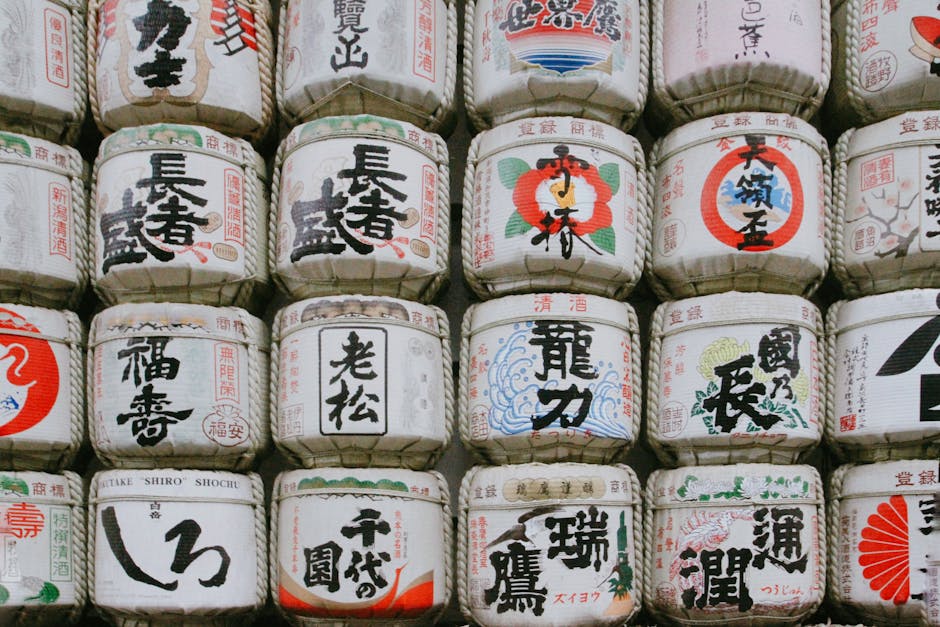 Photo by
 Here are some ways to maximize the appeal of Ginjo sake.
Hanabie (Chilled, around 10°C) is Key
Ginjo sake is best enjoyed at "Hanabie" (花冷え), around 10 degrees Celsius. If it's too cold, the aroma becomes difficult to perceive, and if it's too warm, the aroma will evaporate, so an appropriate coolness is ideal.
Enjoy the Aroma with a Wine Glass
To fully enjoy the elegant aroma of Ginjo sake, a wide-mouthed wine glass is recommended. The aroma rises more easily than with a typical choko (猪口) sake cup, allowing you to slowly savor the fragrance just like with wine. By choosing the optimal glass for Ginjo sake, you can maximize its appeal.
Up to Nurukan (Warm, 40°C or less)
When warming Ginjo sake, it is ideal to keep it to Nurukan (ぬる燗), around 40 degrees Celsius. If the temperature goes higher, the Ginjo aroma will dissipate, so it is generally not suitable for warm sake (燗酒).
Perfect as an Aperitif
The fruity aroma of Ginjo sake is perfect for stimulating the appetite as an aperitif. Paired with a celebratory toast or light appetizers, it elegantly sets the stage for your meal.
Dishes That Pair Well with Ginjo Sake
 Photo by Raul Corrado on Pexels
Ginjo sake pairs exceptionally well with dishes that have delicate flavors.
It truly shines when paired with dishes that highlight the delicate flavors of their ingredients, such as sashimi and sushi (especially white fish and shellfish), fruit-based appetizers, white fish carpaccio, and prosciutto with melon.
Conversely, strongly flavored stewed dishes or heavily spiced foods can overpower the delicate nature of Ginjo sake, so it's best to pair them sparingly.
How to Store Ginjo Sake
 Photo by Jon Discipulo on Pexels
Since the aroma is crucial for Ginjo sake, careful attention must be paid to its storage method.
Always Refrigerate
Ginjo aroma tends to dissipate over time, so it's essential to store Ginjo sake in the refrigerator after purchase. Even if it says it can be stored at room temperature, refrigeration is preferable to enjoy its delicate aroma.
Protect from UV Light
Direct sunlight and fluorescent light can cause the aroma of Ginjo sake to deteriorate. Block out light by returning it to its original box or storing it in a dark cabinet.
Consume Promptly After Opening
After opening, the aroma quickly fades, so it is ideal to finish the bottle within 1 to 10 days.
Summary
 Photo by
 Ginjo sake is a Special Designation Sake brewed using white rice with a rice polishing ratio of 60% or less, koji rice, water, and a small amount of brewer's alcohol as ingredients, through a low-temperature, long-term fermentation process called the Ginjo brewing method. Its greatest appeal is its elegant Ginjo aroma, reminiscent of apples, melons, and bananas, making it a type that is easy for sake beginners to enjoy.
It is positioned distinctly from Junmai Ginjo sake (no added brewer's alcohol) and Daiginjo sake (rice polishing ratio of 50% or less), offering a good balance of price and quality. The basic way to enjoy it is chilled to around 10 degrees Celsius (Hanabie) in a wine glass, paired with delicate dishes. Try to find your favorite bottle from representative brands across various regions, such as Kubota Senju, Hakkaisan Ginjo, Dewazakura, and Urakasumi Zen.
Frequently Asked Questions
Q吟醸酒とはどのような日本酒ですか?定義や特徴を教えてください。
吟醸酒は、精米歩合60%以下の米、米麹、水、醸造アルコールを原料とし、「吟醸造り」と呼ばれる低温長期発酵で造られる特定名称酒です。リンゴやメロンのようなフルーティーで華やかな「吟醸香」が最大の特徴で、日本酒初心者にも親しまれやすいタイプです。
Q吟醸酒と純米吟醸酒、大吟醸酒の主な違いは何ですか?
吟醸酒と純米吟醸酒の主な違いは「醸造アルコールの添加有無」で、純米吟醸酒は米のみで造られます。吟醸酒と大吟醸酒の違いは「精米歩合」で、大吟醸酒はより米を磨いた精米歩合50%以下の最高級ラインに位置します。
Q吟醸酒のフルーティーな「吟醸香」はどのように生まれるのですか?
吟醸香は、低温で長期間発酵させる「吟醸造り」の過程で、酵母が生成するカプロン酸エチルや酢酸イソアミルといった香気成分が主成分です。リンゴやメロン、バナナのような果実を思わせる香りが特徴で、使用する酵母の種類によっても香りが変化します。
Q吟醸酒を美味しく飲むためのおすすめの温度や保存方法を教えてください。
吟醸酒は10度前後の「花冷え」で飲むのが基本で、ワイングラスを使うと華やかな香りをより楽しめます。温める場合はぬる燗(40度以下)に。保存は冷蔵庫で、直射日光や蛍光灯を避け、開封後は1週間〜10日以内に飲み切るのが理想的です。


