The Benefits of Sake: 7 Ways It Boosts Skin, Circulation, and Overall Health, with Precautions
Moderate sake offers health benefits. Rich in rice-derived amino acids, it's nutritious. We'll explore its effects and key points.

よつば
May 6, 2026

Just as the saying goes, "Sake is the best of all medicines," Sake is believed to offer various benefits when consumed in moderation. Rich in amino acids and peptides derived from rice, Sake is notably high in nutritional value compared to other alcoholic beverages. This article will thoroughly explain the main benefits and health effects of Sake, as well as important points to keep in mind.
Nutritional Components Abundantly Found in Sake
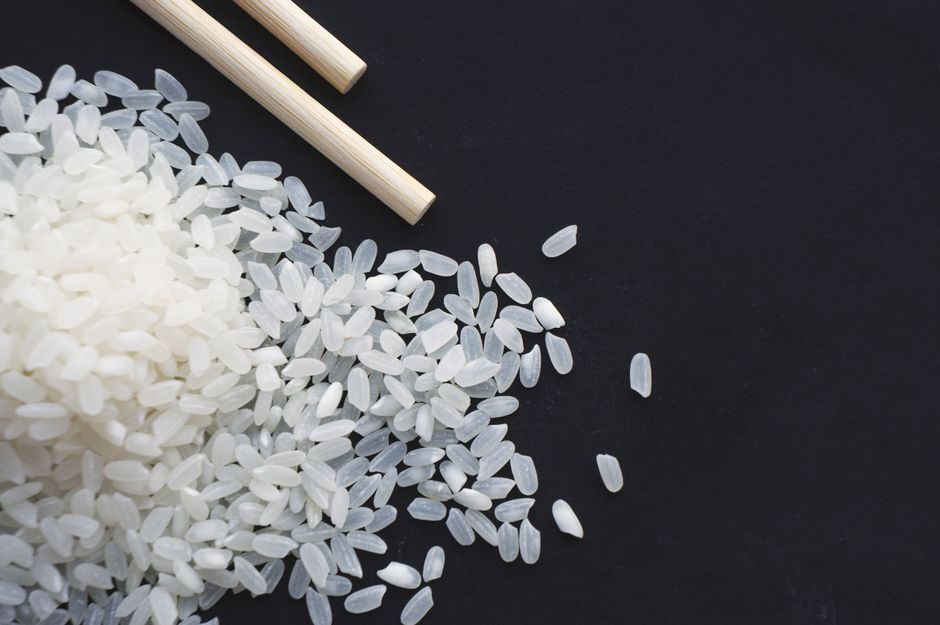 Photo by
 Sake is not merely an alcoholic beverage; it is a drink rich in nutritional components extracted from rice.
Amino Acids
Sake contains over 100 types of amino acids, which is several times the amount found in other brewed alcoholic beverages. This well-balanced amino acid composition, including essential amino acids, is the true source of Sake's umami flavor and is also a noteworthy element for health.
Peptides
Peptides are components formed by linked amino acids, and those found in Sake are expected to have blood pressure-lowering and immune-modulating effects. They are unique components of Sake, created as rice proteins break down during the fermentation process.
Kojic Acid (コウジ酸)
Kojic acid (コウジ酸), produced by koji mold (麹菌), is known to inhibit melanin production, potentially leading to the prevention of spots and dullness. It is one of the components known for Sake's skin-beautifying effects.
Main Benefits of Sake
 Photo by
 Let's look at the specific benefits expected from Sake.
Improved Blood Circulation and Remedy for Cold Sensitivity
Sake is said to have a higher blood circulation-promoting effect compared to other alcoholic beverages. Components such as adenosine are expected to dilate blood vessels and warm the body.
Especially when consumed as warm sake (燗酒), the synergistic effect of warmth and improved blood circulation is believed to help alleviate sensitivity to cold. This is also why warm sake has been cherished in Japanese food culture for warming the body from the core during winter.
Skin-Beautifying Effects
Components found in Sake, such as Kojic acid and ferulic acid, have reported melanin production-inhibiting and antioxidant effects. It has long been known that the hands of sake brewers (蔵人) are beautiful, suggesting that working with koji (麹) has a positive impact on the skin.
In recent years, many toners and serums utilizing Sake components have been sold, making Sake a noteworthy presence in the beauty industry.
Relaxing Effects
A moderate amount of Sake promotes the dominance of the parasympathetic nervous system, leading to relaxing effects. The umami components and alcohol in Sake are believed to relieve brain tension and help reduce stress.
The leisurely evening drink itself also contributes to psychological relaxation.
Appetite Stimulation and Digestion Promotion
Sake is said to have both appetite-stimulating and digestive fluid-secreting effects. Drinking a small amount as an aperitif can enhance the enjoyment of the subsequent meal.
Antioxidant Effects
Ferulic acid and phenolic compounds found in Sake have antioxidant effects and are expected to protect cells from active oxygen (free radicals). Research is ongoing into their potential contribution to preventing aging and lifestyle-related diseases.
Potential for Preventing Arteriosclerosis
Research reports suggest that moderate alcohol consumption is associated with a reduced risk of cardiovascular diseases. Some peptides found in Sake are also believed to have blood pressure-lowering effects.
However, this is limited to moderate consumption; excessive drinking has been clearly shown to increase risks.
Improvement of Gut Environment
Koji-derived components in Sake are expected to help regulate the gut environment. As a fermented food, Sake plays a role in Japan's traditional fermented food culture, alongside natto, miso, and pickles.
How to Drink Sake to Maximize Its Health Benefits
 Photo by SHVETS production on Pexels
To maximize the benefits of Sake, there are some tips for how to drink it.
Adhere to Moderate Consumption
The benefits of Sake are strictly predicated on "moderate consumption." The Ministry of Health, Labour and Welfare suggests a guideline of about one go (一合, 180ml) per day; drinking more than this increases health risks.
It is important to enjoy Sake, which is called "the best of all medicines," without forgetting that excessive drinking can become "the root of all illnesses (万病の元)."
Warm It Up as Kanzake
If you aim to counter cold sensitivity or improve blood circulation, it is effective to drink it as lukewarm sake (ぬる燗, around 40°C) or moderately warm sake (上燗, around 45°C). Warm Sake heats the body from within and enhances relaxing effects.
Enjoy with Meals
Drinking Sake on an empty stomach accelerates alcohol absorption and places a greater burden on your health. By enjoying it slowly with a meal, the pace of digestion and absorption is regulated, allowing nutritional components to be effectively utilized.
Don't Forget Water
When drinking Sake, it is ideal to drink an equal amount of water (yawarakimizu (和らぎ水), also known as chaser water) alongside it. This helps prevent dehydration and is expected to slow down the onset of intoxication.
Precautions When Drinking Sake
 Photo by Matthew Jesús on Pexels
Even Sake, with its expected health benefits, has points to be aware of.
Excessive consumption places a significant burden on the liver, increasing the risk of liver dysfunction, fatty liver, and liver cirrhosis. It is recommended to have at least two liver rest days (休肝日) per week.
Drinking alcohol is strictly prohibited for pregnant or breastfeeding individuals and minors. Furthermore, those with a low tolerance for alcohol, pre-existing medical conditions, or who are taking medication should consult a doctor before drinking.
If you are concerned about your liver function or triglyceride levels during a health check-up, consider reviewing your alcohol intake.
Summary
 Photo by Miguel González on Pexels
Sake contains over 100 types of amino acids, peptides, Kojic acid, and other rich nutritional components, and moderate consumption can lead to benefits such as improved blood circulation, skin beautification, relaxation, and antioxidant effects. The health benefits unique to this rice-derived fermented beverage are a charm of Sake not found in other alcoholic drinks.
However, these benefits are predicated on adhering to moderate consumption. By enjoying Sake slowly with meals and water, aiming for about one go per day, you can maximize its health benefits. Try incorporating Sake, known as "the best of all medicines," wisely into a healthy diet.
Frequently Asked Questions
Q日本酒の健康効果にはどのようなものがありますか?
日本酒にはアミノ酸、ペプチド、コウジ酸などが豊富に含まれ、適量摂取により血流改善、美肌効果、リラックス作用、食欲増進、抗酸化作用、腸内環境改善などの効能が期待できます。特に燗酒は冷え性対策にも有効です。ただし、これらの効果は適量を守ることが前提です。
Q日本酒に含まれる美容成分は何ですか?
日本酒には、麹菌が生み出すコウジ酸やフェルラ酸などが含まれており、これらは美肌効果が期待される成分です。コウジ酸はメラニン生成を抑制し、シミやくすみの予防に役立つとされています。また、フェルラ酸には抗酸化作用があり、美容業界でも注目されています。
Q日本酒を飲む際の適量や注意点は?
日本酒の適量は1日1合(180ml)程度とされ、これを超える過剰摂取は肝臓に負担をかけます。休肝日を週2日以上設けることが推奨されます。また、妊娠中・授乳中の方や未成年者は飲酒厳禁です。持病や服薬中の場合は医師に相談し、食事や和らぎ水と一緒にゆっくり楽しむことが大切です。
Q日本酒が冷え性改善に良いとされるのはなぜですか?
日本酒はアデノシンなどの成分により血管を拡張させ、他のお酒と比較して血行促進効果が高いとされています。特に燗酒として飲むことで、温かさと血行促進効果が相乗的に働き、体を芯から温めて冷え性の改善に役立つと期待されます。


