How to Make Sake: A Professional's Complete Guide to the 10-Step Process
From humble rice and water, sake takes two months of artisan's meticulous process. We'll explore 10 brewing stages, expertly explained.

よつば
May 5, 2026

Japanese sake, which we often drink casually, is crafted with the skill and time of artisans from simple ingredients: rice and water. It takes over two months to complete a single bottle of sake, with each stage requiring meticulous management and judgment. In this article, we will explain the sake-making process in 10 steps, from a professional perspective, in an easy-to-understand manner.
Main Ingredients of Japanese Sake
 Photo by
 The ingredients used in sake brewing are very simple.
The main ingredients are rice, rice koji (米麹), and water. Specialized rice varieties, known as sake rice (酒造好適米), are used exclusively for brewing. Yamada Nishiki (山田錦), Gohyakumangoku (五百万石), and Miyama Nishiki (美山錦) are typical examples of sake rice.
Rice koji (米麹) is steamed rice on which koji mold (麹菌) has been cultivated, and it plays a crucial role in saccharifying the rice starch. Water is considered the lifeblood of sake brewing, and the quality of sake changes significantly depending on whether soft or hard water is used.
Brewing alcohol is added to Futsushu (普通酒) and Honjozo-shu (本醸造酒) in addition to these ingredients, but Junmai-shu (純米酒) is made only from rice, rice koji, and water.
Step 1 | Rice Polishing (精米)
 Photo by Petr Ganaj on Pexels
The first step in sake brewing is rice polishing (精米). This process involves milling brown rice to remove the outer layers that can cause undesirable flavors.
The rice polishing ratio (精米歩合) refers to the percentage of the original rice grain that remains after polishing brown rice. For Junmai-shu, the rice is polished to 70% or less; for Junmai Ginjo-shu (純米吟醸酒), 60% or less; and for Junmai Daiginjo-shu (純米大吟醸酒), 50% or less. A lower polishing ratio results in sake with fewer off-flavors, but it also requires more time and effort.
Rice polishing can take tens to over 100 hours, and requires advanced techniques to mill the rice uniformly without cracking the grains.
Step 2 | Rice Washing (洗米) and Soaking (浸漬)
 Photo by David Peterson on Pexels
The polished white rice is washed to remove bran and impurities from its surface. This is rice washing (洗米).
After washing, the rice is soaked in water to absorb moisture. This is soaking (浸漬), and the soaking time is adjusted in seconds depending on the rice variety and polishing ratio. Highly polished rice, such as that used for Ginjo-shu (吟醸酒), is soaked for a shorter period, while rice for Futsushu is soaked longer, making this a stage that requires delicate judgment.
Step 3 | Steaming Rice (蒸米)
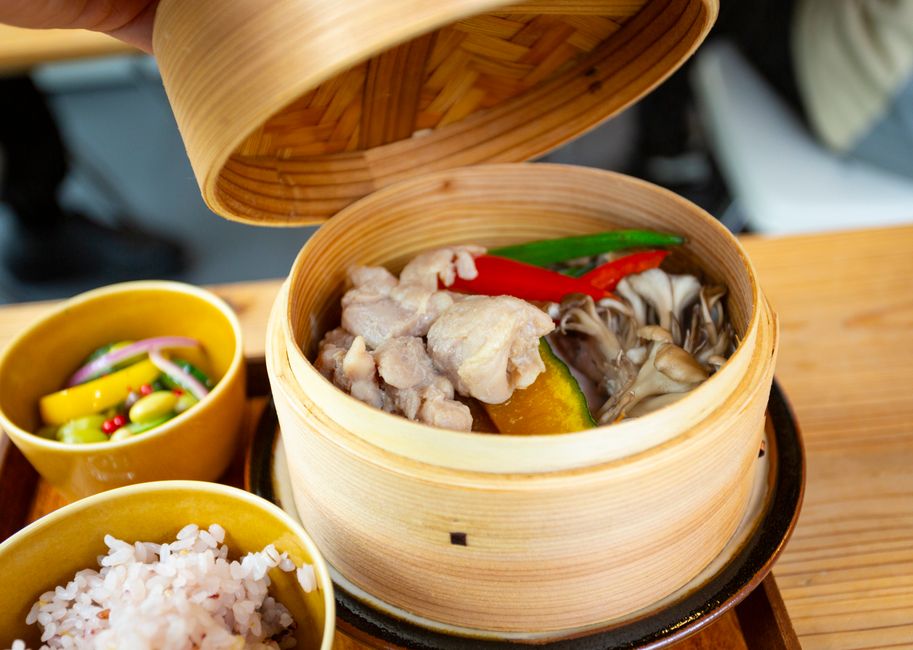 Photo by
 The water-absorbed rice is steamed in a large traditional steamer called a koshiki (甑).
Ideally, the steamed rice (蒸米) should be 'hard outside, soft inside' (外硬内軟), meaning firm on the exterior and soft in the center. This exquisite texture creates the optimal condition for koji mold (麹菌) propagation and fermentation.
The steamed rice (蒸米) is cooled separately depending on its intended use: for koji (麹用), for sake starter (酒母用), or for the main mash (醪用).
Step 4 | Koji Making (製麹)
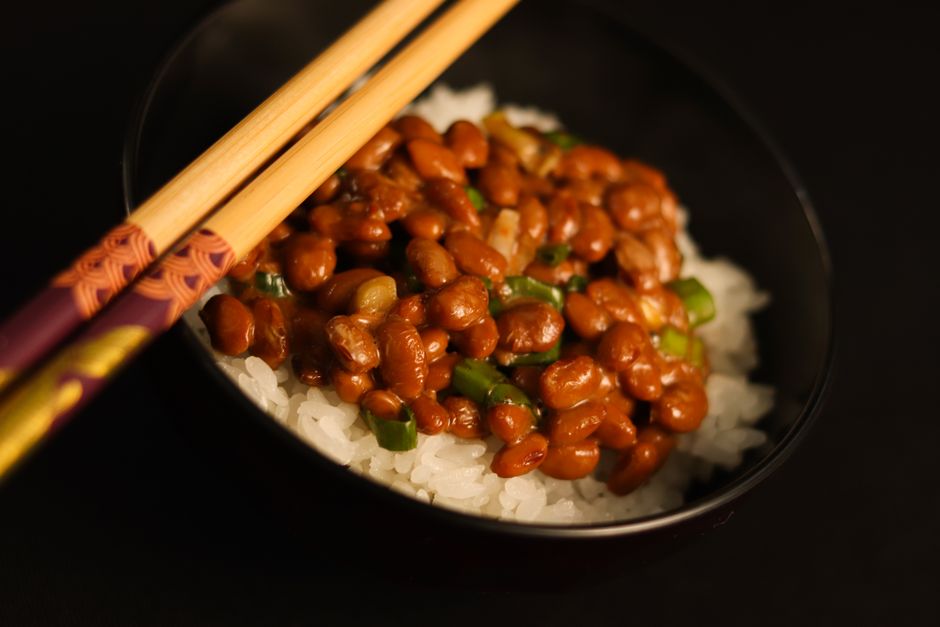 Photo by Guilherme Simão on Pexels
Koji making (製麹) is a crucial step, often called the heart of sake brewing.
Koji mold (麹菌) is sprinkled onto the steamed rice (蒸米), and allowed to propagate for about 2 to 3 days. This process takes place in a room called a koji room (麹室), where temperature and humidity are strictly controlled, and artisans check the condition of the rice every few hours.
The completed rice koji (米麹) contains abundant enzymes that convert rice starch into sugar, which becomes the starting point for alcohol fermentation.
Step 5 | Sake Starter (酒母/酛) Preparation
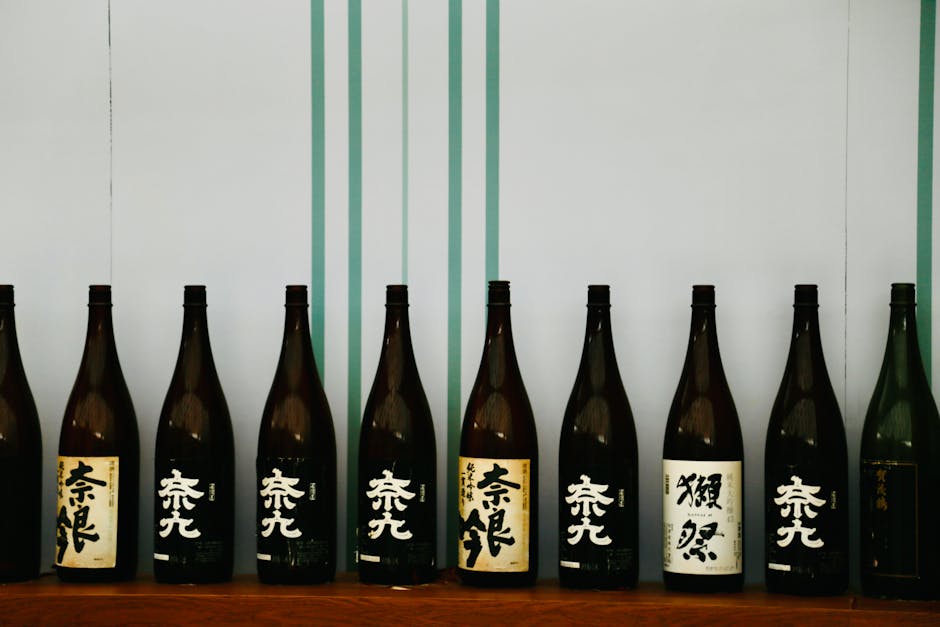 Photo by
 The sake starter (酒母), also known as moto (酛), is a process for cultivating a large quantity of healthy yeast.
Steamed rice (蒸米), rice koji (米麹), water, yeast, and lactic acid are placed in a small tank, and the yeast is allowed to multiply over approximately two weeks. Lactic acid plays a role in suppressing the growth of unwanted bacteria, and there are two main methods: the traditional Kimoto (生酛) method and the modern Sokujo (速醸) method.
The Kimoto method (生酛系) is labor-intensive but results in sake with complex and profound flavors. The Sokujo method (速醸系) shortens the process and allows for stable sake production.
Step 6 | Main Mash (醪) Preparation
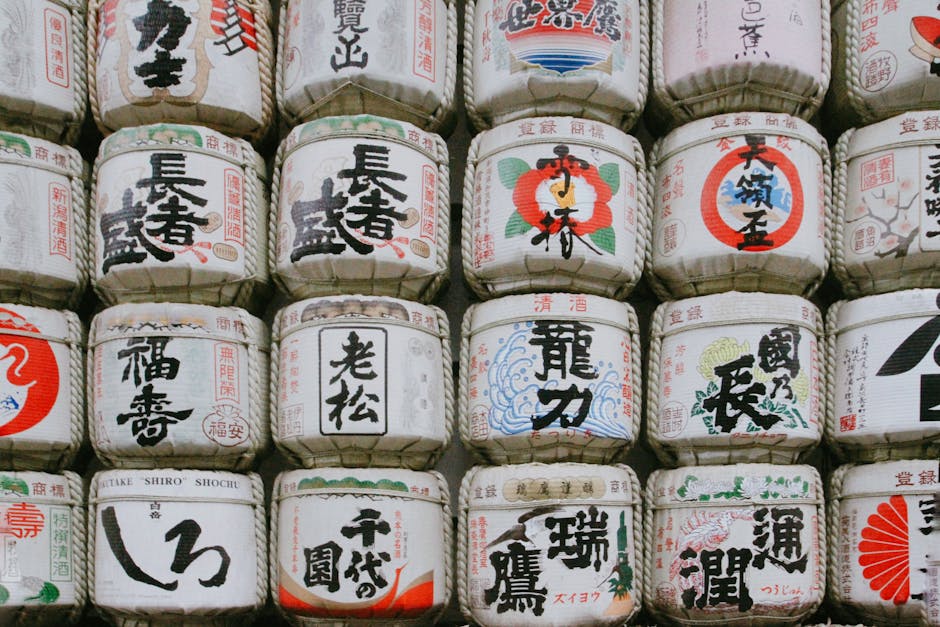 Photo by
 Once the sake starter (酒母) is ready, the main mash (醪) preparation begins. This is the most crucial fermentation stage in sake brewing.
Three-Stage Preparation (三段仕込み)
Sake preparation is carried out using a unique method called Three-Stage Preparation (三段仕込み). This method involves adding rice koji (米麹), steamed rice (蒸米), and water to the sake starter (酒母) in three separate stages. It is completed over four days: the first addition (初添) on day one, a rest day (踊り) on day two, the second addition (仲添) on day three, and the final addition (留添) on day four.
By adding ingredients in three stages, the yeast can ferment healthily without being overwhelmed by unwanted bacteria.
Multiple Parallel Fermentation (並行複発酵)
Within the main mash (醪), two processes occur simultaneously: saccharification (糖化), where enzymes from the koji mold (麹菌) convert rice starch into sugar, and alcohol fermentation (アルコール発酵), where yeast converts sugar into alcohol. This is called Multiple Parallel Fermentation (並行複発酵), a sophisticated fermentation method that is rare worldwide.
The main mash (醪) ferments slowly at low temperatures for approximately 20 to 35 days. Ginjo-shu is fermented for an extended period at low temperatures, around 10 degrees Celsius, to produce its characteristic fruity Ginjo aroma (吟醸香).
Step 7 | Pressing (上槽)
 Photo by Pat Saengcharoen on Pexels
The process of pressing the fermented main mash (醪) using cloth or machinery is called pressing (上槽). This separates the Japanese sake (清酒) from the sake lees (酒粕).
Pressing methods include the Yabuta press (ヤブタ式), which uses a mechanical press; Funashibori (槽搾り), which uses a traditional wooden press (木槽); and Fukurozuri (袋吊り), also known as Shizuku-dori (しずく取り), where the mash is placed in cloth bags and hung to allow the sake to drip naturally. Fukurozuri yields the most delicate sake with the fewest off-flavors, and is therefore used for premium sake.
Step 8 | Filtration (濾過)
 Photo by Matthew Jesús on Pexels
The pressed sake is filtered, often with activated charcoal, to remove impurities and adjust its color.
The degree of filtration reflects the brewer's (蔵元) philosophy. Some breweries filter thoroughly, others minimally, and some produce 'unfiltered' (無濾過) sake with no filtration at all. Unfiltered sake (無濾過酒) retains its natural color and flavor components, resulting in a complex and distinctive taste.
Step 9 | Pasteurization (火入れ) and Storage
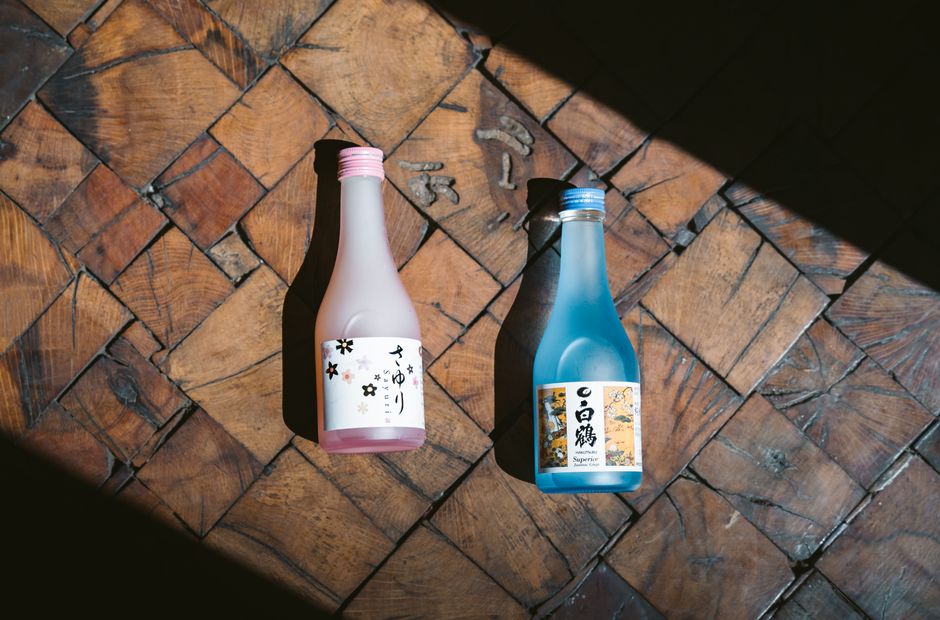 Photo by Miguel González on Pexels
The filtered sake undergoes pasteurization (火入れ), where it is heated to 60-65 degrees Celsius to stop yeast activity and stabilize its quality.
Pasteurization (火入れ) is generally performed twice: once before storage and once before shipping. However, Namazake (生酒) is not pasteurized at all; Nama-chozo-shu (生貯蔵酒) is pasteurized only before shipping, and Nama-zume-shu (生詰め酒) is pasteurized only before storage, meaning the presence and timing of pasteurization significantly alter the sake's characteristics.
After pasteurization (火入れ), the sake is stored for several months to half a year, allowing its flavors to mellow and mature.
Step 10 | Bottling and Shipping
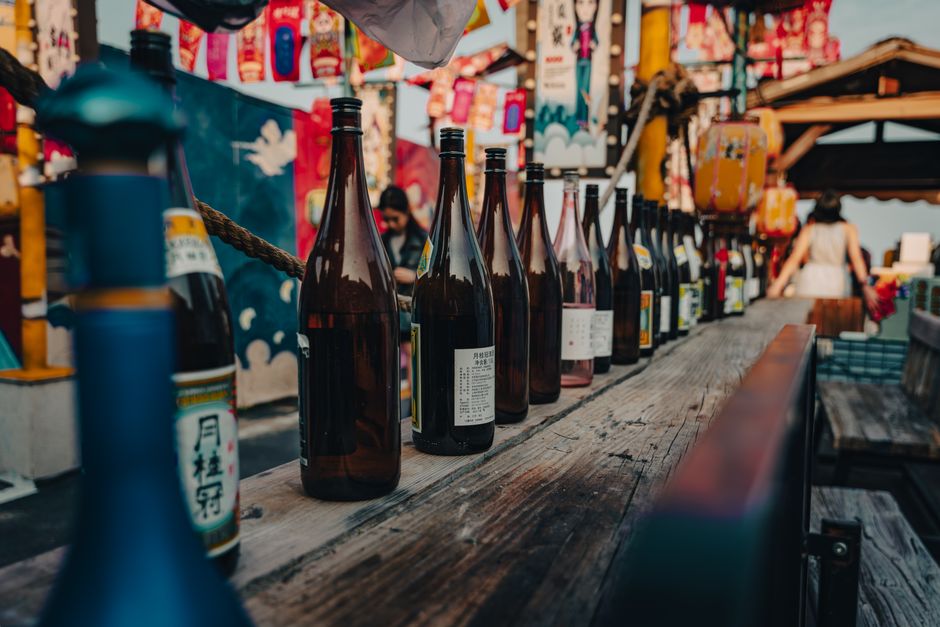 Photo by ZhiCheng Zhang on Pexels
After maturation, the sake's alcohol content is finally adjusted by adding water (加水) to around 15-16%. Sake that is not diluted is called Genshu (原酒) and is shipped with a higher alcohol content, typically 17-20%.
After bottling, the sake is shipped and finally reaches consumers. The entire process from preparation to shipping takes about two months to half a year, and for aged sake, it can take over a year.
Summary
 Photo by Arnie Papp on Pexels
The making of Japanese sake is completed through 10 steps, starting with rice polishing (精米), followed by rice washing (洗米), soaking (浸漬), steaming rice (蒸米), koji making (製麹), sake starter preparation (酒母造り), three-stage preparation (三段仕込み), pressing (上槽), filtration (濾過), pasteurization (火入れ), and bottling. In each step, the artisan's skill is combined with scientific management, giving birth to sake with complex and profound flavors from the simple ingredients of rice and water.
In particular, Multiple Parallel Fermentation (並行複発酵), a rare fermentation method worldwide, is the true essence of sake brewing. Behind every bottle of Japanese sake lies over two months of time and the craftsmanship of dozens of artisans. The next time you enjoy a glass of sake, take a moment to reflect on this long process and appreciate the depth of each sip.
Frequently Asked Questions
Q日本酒の主な原料は何ですか?純米酒と普通酒の違いは?
日本酒の主原料は米、米麹、水です。酒造好適米が使われ、米麹はデンプンを糖化します。普通酒や本醸造酒には醸造アルコールが添加されますが、純米酒は米、米麹、水のみで造られる点が大きな違いです。水は酒質を左右する重要な要素です。
Q日本酒の「精米歩合」とは何ですか?
精米歩合とは、玄米を削って残った白米の割合を指します。雑味の原因となる外側を取り除く工程で、精米歩合が低いほど雑味が少なく、高品質な酒になります。純米大吟醸酒は50%以下まで磨かれ、精米には数十時間から100時間以上かかることもあります。
Q日本酒造りの「並行複発酵」とは?
並行複発酵とは、醪の中で麹菌が米のデンプンを糖に変える「糖化」と、酵母が糖をアルコールに変える「アルコール発酵」が同時に進行する、世界的にも珍しい高度な発酵方式です。この独特な発酵により、日本酒特有の複雑で奥深い味わいが生まれます。
Q日本酒の「火入れ」とは何ですか?
火入れは、日本酒を60〜65度に加熱し、酵母の活動を止めて品質を安定させる工程です。通常は出荷前と貯蔵前の2回行われます。火入れの有無やタイミングで酒質が変わり、全く行わない「生酒」、出荷前のみの「生貯蔵酒」、貯蔵前のみの「生詰め酒」などがあります。
Q日本酒の「酒母(しゅぼ)」とは何ですか?
酒母は「もと」とも呼ばれ、健全な酵母を大量に培養するための工程です。蒸米、米麹、水、酵母、乳酸を小さなタンクに入れ、約2週間かけて酵母を増やします。伝統的な「生酛系」と現代的な「速醸系」の2つの製法があり、酒質に深みや安定性をもたらします。


