Japanese Sake Explained: What is Seishu? Definition, History, and How It Differs from Nihonshu
Confused by "Seishu" vs. "Nihonshu"? They're mostly the same, with "Seishu" being the legal term. We'll clarify definitions, history, types, and more.

よつば
May 26, 2026
Many people have likely encountered the term "Seishu (清酒)" and wondered, "How is it different from Nihonshu (日本酒)?" In fact, Seishu and Nihonshu refer to essentially the same thing, with the difference being between a legal designation and a general term. This article will provide a detailed explanation, covering the precise definition of Seishu, its distinction from Nihonshu, its history, types, and differences from cooking sake.
What is Seishu? | The Official Legal Name
 Photo by Matthew Jesús on Pexels
Seishu (清酒) is one of the classifications of Japanese alcoholic beverages defined by the Liquor Tax Act (酒税法). It refers to an alcoholic beverage made primarily from rice, rice koji (米麹), and water, which has been fermented and filtered. If you'd like to learn more about how Seishu is made, please refer to this article.
"Seishu" is the official legal name, while "Nihonshu" is used as a common term, and both essentially refer to the same thing. The term "Seishu" is used in Nihonshu-related labeling and the Liquor Tax Act, whereas "Nihonshu" is more frequently used in consumer-facing conversations and product names.
Definition of Seishu under the Liquor Tax Act
The Liquor Tax Act defines Seishu as follows: an alcoholic beverage made by fermenting and filtering rice, rice koji, and water as raw materials, or by fermenting and filtering rice, rice koji, water, and other items specified by government ordinance (such as sake lees (清酒粕)), with an alcohol content of less than 22%.
The inclusion of the "filtering" process is crucial, as it results in Seishu being a clear liquid. Unfiltered doburoku (どぶろく), a cloudy, unrefined sake, does not fall under the Seishu category. If you'd like to learn more about the difference from doburoku, please refer to this article.
Difference Between Seishu and Nihonshu
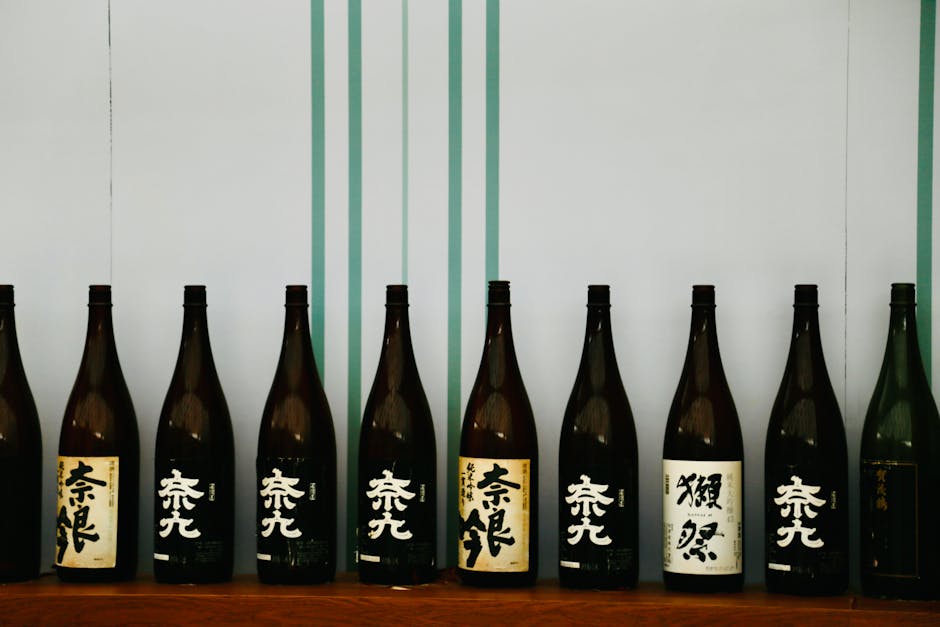 Photo by
 While Seishu and Nihonshu refer to the same thing, there are subtle differences in their usage.
"Seishu" is a Legal Term
In official documents such as the Liquor Tax Act, its Enforcement Order (酒税法施行令), and product labeling regulations, the term "Seishu" is used. Classifications for liquor sales licenses and statistics indicating brewery (蔵元) shipment volumes also use "Seishu."
"Nihonshu" is Protected as a Geographical Indication
In December 2015, the National Tax Agency (国税庁) designated "Nihonshu" as a Geographical Indication (GI). This means that only Seishu made in Japan using 100% Japanese rice and brewed within Japan is permitted to be labeled as "Nihonshu."
In other words, a legal distinction was established: Seishu (SAKE) made overseas using non-Japanese rice cannot be labeled as "Nihonshu."
"Nihonshu" is a General Term
In everyday conversation, restaurant menus, and product names on labels, "Nihonshu" is the prevalent term, as it is more familiar to consumers. "Nihonshu" carries a more emotional and cultural nuance than "Seishu" and is thus more suitable for branding.
History of Seishu
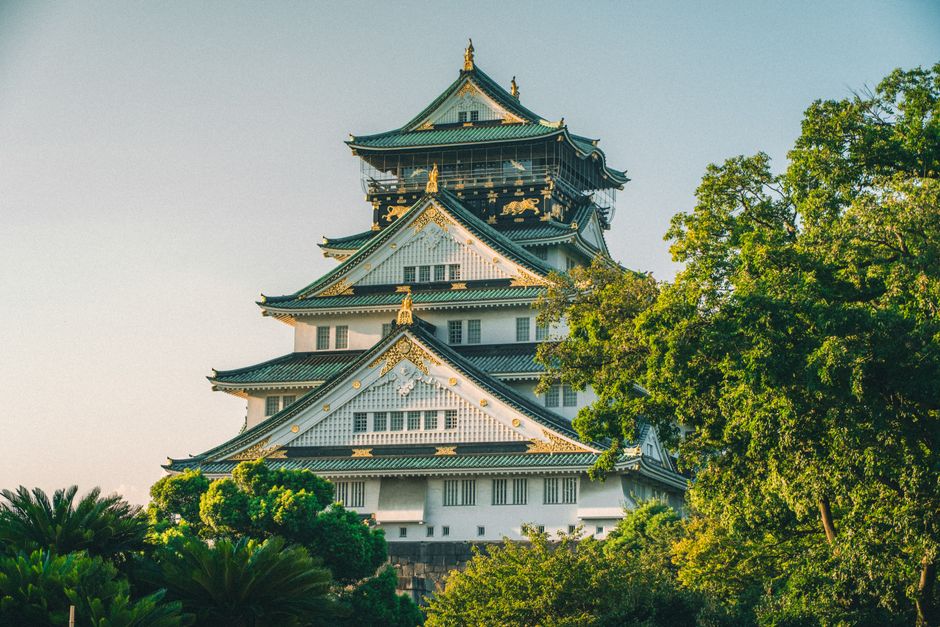 Photo by
 The history of Nihonshu dates back over 2,000 years to the Yayoi period (弥生時代).
From Prototype to Seishu
The earliest Japanese alcoholic beverage was called "kuchikamizake (口噛み酒)," a simple sake made by chewing raw or steamed rice in the mouth and fermenting it with enzymes from saliva. From the Kofun period (古墳時代) to the Nara period (奈良時代), sake brewing using koji (麹) began, gradually evolving closer to modern Seishu.
From the medieval period onward, during the Heian (平安時代), Kamakura, and Muromachi (鎌倉・室町時代) periods, "sōbōshu (僧坊酒)" (sake brewed in temples and shrines) emerged. In the Muromachi period, the "morohaku (諸白)" brewing method was established, where both the koji rice (麹米) and the steamed rice (掛米) added to the mash were polished. This became the prototype for modern Seishu quality standards.
Seishu Culture in the Edo Period
During the Edo period (江戸時代), the "kan-zukuri (寒造り)" method of brewing exclusively in winter was established, and Nada (灘) and Fushimi (伏見) developed into the two major Seishu producing regions. Large quantities of Seishu were transported to Edo (江戸, modern-day Tokyo) by "taru kaisen (樽廻船)" (sake barrel cargo ships), and Seishu became deeply ingrained in the daily lives of common people.
Seishu in Modern Times
After the modernization of sake brewing in the Meiji period (明治時代) and mechanization during the post-war high-growth era, Seishu has become a globally recognized beverage today. The "Standards for Manufacturing Process and Quality Labeling of Seishu," enacted in 1990, established the system for special designation sake (特定名称酒) such as Junmai-shu (純米酒), Ginjo-shu (吟醸酒), and Daiginjo-shu (大吟醸酒).
Main Types of Seishu
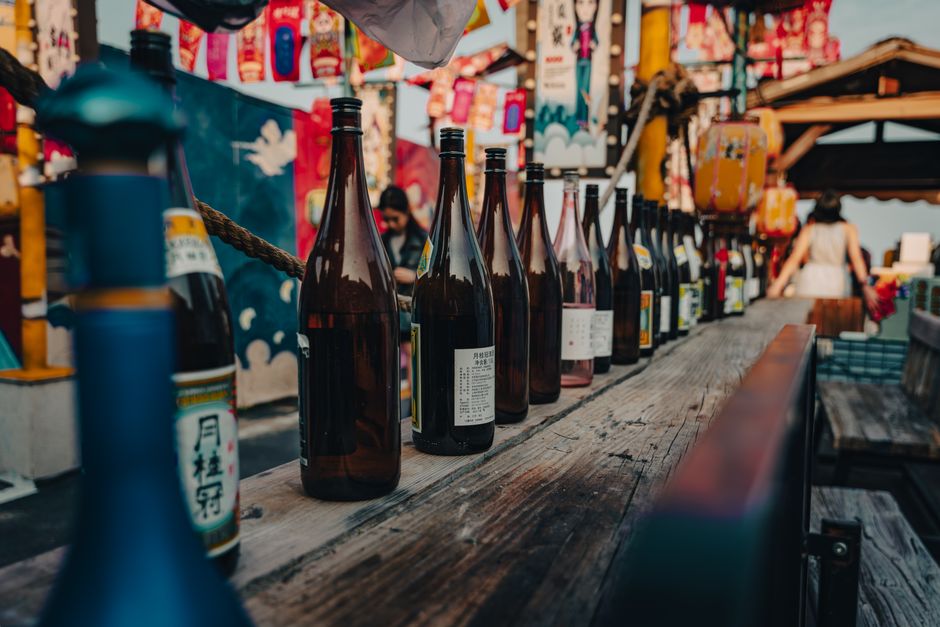 Photo by ZhiCheng Zhang on Pexels
Seishu is categorized into various types based on its ingredients, rice polishing ratio (精米歩合), and brewing method. For more details on Seishu classification, please see here.
Special Designation Sake
Among Seishu, those that meet specific criteria for ingredients and rice polishing ratio are called "special designation sake (特定名称酒)." There are eight types: Junmai-shu, Junmai Ginjo-shu (純米吟醸酒), Junmai Daiginjo-shu (純米大吟醸酒), Tokubetsu Junmai-shu (特別純米酒), Honjozo-shu (本醸造酒), Tokubetsu Honjozo-shu (特別本醸造酒), Ginjo-shu, and Daiginjo-shu, each with detailed regulations.
Ordinary Sake
Seishu that does not meet the criteria for special designation sake is called "ordinary sake (普通酒)" and is said to account for about 70% of Seishu distributed in the market. It is a staple product in the industry, offering an affordable and enjoyable everyday drink.
Classification by Brewing Method
Seishu is also classified by the presence or absence of pasteurization into nama-zake (生酒, unpasteurized sake), nama-chozo-shu (生貯蔵酒, sake pasteurized once before bottling), and nama-zume-shu (生詰め酒, sake pasteurized once after brewing); by the presence or absence of added water into genshu (原酒, undiluted sake) and kasui-shu (加水酒, diluted sake); and by the presence or absence of filtration into muroka-shu (無濾過酒, unfiltered sake) and roka-shu (濾過酒, filtered sake).
Combinations of these methods create a wide variety of Seishu, such as Junmai Ginjo Muroka Nama Genshu (純米吟醸 無濾過生原酒).
Difference Between Seishu and Cooking Sake
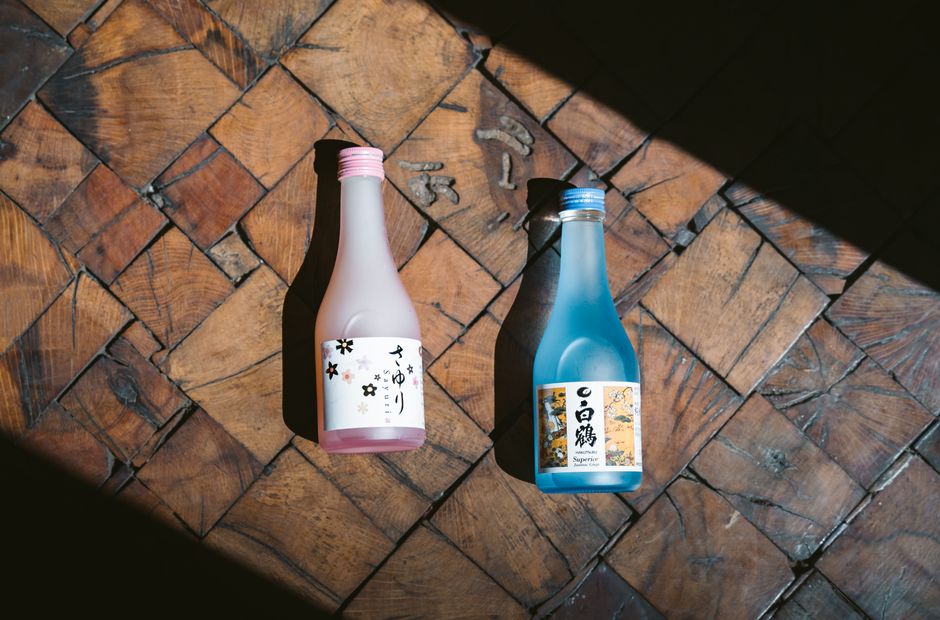 Photo by Miguel González on Pexels
You might see "cooking sake (料理酒)" at the supermarket, but how is it different from Seishu?
Cooking Sake is Salted
Most cooking sake is of the "salted type (加塩タイプ)," containing about 2-3% salt. By adding salt, it is legally treated as a "seasoning (調味料)" rather than an "alcoholic beverage" under the Liquor Tax Act, allowing it to be sold at a lower price because it is exempt from liquor tax (酒税).
Therefore, cooking sake is not suitable for drinking and should only be used for cooking.
Pure Rice Cooking Sake is Drinkable
On the other hand, "pure rice cooking sake (純米料理酒)" and "Seishu for cooking (料理用清酒)" that do not contain salt are classified as Seishu under the Liquor Tax Act. Since no salt is added, you can precisely adjust the saltiness of your dishes, and it can also be drunk as Junmai-shu.
For those who are particular about their cooking, it is recommended to use pure rice cooking sake or regular Seishu instead of salted cooking sake.
How to Enjoy Seishu
 Photo by Arnie Papp on Pexels
Seishu offers a variety of ways to enjoy it, depending on the serving temperature, sake vessels (酒器), and food pairings.
Chilled sake (冷酒, 5-10°C) offers a refreshing taste, room temperature sake (常温, around 15°C) allows you to easily appreciate the umami (旨味) of the rice, and warmed sake (燗酒, 40-50°C) highlights its richness and sweetness. Even the same Seishu can show completely different characteristics just by changing its temperature.
You can choose sake vessels to your liking, such as a tokkuri (徳利, sake carafe) and ochoko (猪口, small sake cup), wine glasses, or masu (枡, wooden box-like cup). Wine glasses are ideal for ginjo-type sake (吟醸酒系) when you want to enjoy its aroma, tokkuri and ochoko are great for warmed sake or during meals, and masu are perfect for celebrations or special occasions.
Regarding food pairings, light and dry (淡麗辛口) Seishu pairs well with sashimi (刺身) and white fish, while rich and full-bodied (濃醇) Seishu is excellent with simmered dishes (煮物) and grilled dishes (焼き物). The versatility of Seishu, which can be enjoyed not only with Japanese cuisine (和食) but also with Western and Chinese dishes, is one of its charms.
Summary
 Photo by
 Seishu is the official legal name for a Japanese alcoholic beverage defined by the Liquor Tax Act, referring to sake made by fermenting and filtering rice, rice koji, and water. It is generally called "Nihonshu," and while both terms mean essentially the same thing, "Nihonshu" was protected as a Geographical Indication in 2015, limiting its use to sake made in Japan using 100% Japanese rice.
With a history spanning over 2,000 years, Seishu encompasses a wide range of classifications, including eight types of special designation sake and ordinary sake, as well as various distinctions based on brewing methods. You can enjoy Seishu in diverse ways by varying its temperature, choosing different sake vessels, and pairing it with various dishes. Understand the difference from cooking sake, and discover your favorite Seishu.
Frequently Asked Questions
Q清酒と日本酒の違いは何ですか?
清酒は酒税法上の正式名称で、米・米麹・水を主原料に発酵・濾過したお酒です。日本酒は一般的な呼び名で、基本的には同じものを指します。2015年以降、「日本酒」は地理的表示として保護され、日本国内で日本産米を100%使用し醸造された清酒のみが名乗れるようになりました。公的な文書では「清酒」、日常会話では「日本酒」が使われます。
Q酒税法における清酒の定義を教えてください。
酒税法では、清酒を米・米麹・水を原料として発酵・濾過したもので、アルコール分が22度未満のお酒と定義しています。また、清酒粕などの政令で定める物品を原料とする場合もあります。濾過工程が含まれるため、澄んだ液体であることが特徴で、濾していないどぶろくは清酒には該当しません。
Q清酒の歴史はいつから始まりましたか?
清酒の歴史は2000年以上前の弥生時代に遡ります。当初は「口噛み酒」でしたが、古墳時代から麹を使った酒造りが始まりました。中世には寺院で「僧坊酒」が造られ、室町時代には「諸白」という製法が確立。江戸時代には「寒造り」が確立し、灘や伏見が二大産地として発展しました。
Q清酒にはどのような種類がありますか?
清酒は、原料や精米歩合によって「特定名称酒」と「普通酒」に大別されます。特定名称酒には純米酒、吟醸酒、大吟醸酒など8種類があり、それぞれ細かな基準があります。普通酒は特定名称酒の基準を満たさないもので、市場の約7割を占めます。その他、火入れの有無や加水の有無、濾過の有無によっても分類されます。
Q清酒と料理酒の違いは何ですか?
多くの料理酒は塩分が約2〜3%含まれる「加塩タイプ」で、酒税がかからないため安価ですが飲用には適しません。一方、「純米料理酒」や「料理用清酒」は塩分を含まず、酒税法上は清酒に分類され飲用も可能です。料理の塩加減を細かく調整したい場合は、純米料理酒や普通の清酒を使うのがおすすめです。


