Best Crisp & Dry Niigata Sake: Top Brands, Popular Rankings & How to Choose
Niigata Prefecture, home to ~90 breweries, is Japan's 3rd largest sake producer. From iconic brands like Kubota to exciting new brewers, its sake world is rich and diverse.

よつば
May 20, 2026
Niigata Prefecture is known as a famous production region for Japanese sake (日本酒). With approximately 90 sake breweries (酒蔵) located within the prefecture, it boasts the third-highest shipment volume of refined sake (清酒) nationwide, making it one of Japan's leading sake regions. From nationally recognized brands like Kubota, Hakkaisan, and Koshino Kanbai, to new-generation brewers (蔵元) gaining attention in recent years, the world of Niigata sake is diverse and profound. This article will provide a detailed explanation of the characteristics of Niigata sake, a ranking of popular brands, how to choose them, and how to enjoy them.
Niigata Sake: Synonymous with "Tanrei Karakuchi (淡麗辛口)"
 Photo by
 Niigata Prefecture's sake is known nationwide for its "Tanrei Karakuchi" style, characterized by a clean, refreshing taste with minimal impurities. This flavor profile is rooted in Niigata's unique and blessed natural environment.
Snowmelt Water and Sake-Brewing Rice
Niigata Prefecture is one of Japan's leading heavy snowfall regions. The snow accumulated in the mountains melts in spring, becoming pure underground water that reaches the sake breweries. This soft water promotes slow fermentation, resulting in a delicate and clear sake quality.
Furthermore, Niigata is a major production area for the sake-brewing rice (酒造好適米) variety "Gohyakumangoku (五百万石)." Gohyakumangoku is a variety well-suited for koji (rice mold) production, with a large shinpaku (the starchy white core of the rice grain). It is considered an indispensable sake rice for brewing sake with a light and crisp flavor.
Winter Kanzukuri
Niigata's long and harsh winters are ideal for "kanzukuri (寒造り)," a brewing method that suppresses bacterial growth and allows for slow fermentation at low temperatures. This traditional kanzukuri process, which has continued since the Edo period, forms the foundation supporting the quality of Niigata sake.
Niigata Sake Ranking | Top 10 Popular Brands
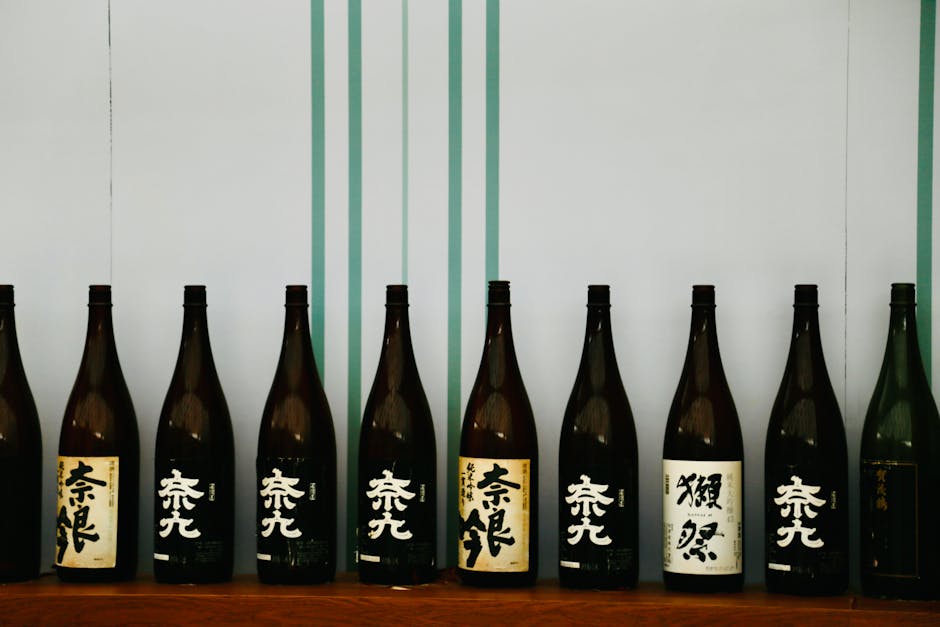 Photo by
 Niigata Prefecture boasts hundreds of varieties of sake, but here we introduce some of the most popular brands in a ranking format.
#1 | Abe (Abe Shuzo)
The 6th-generation heir to Abe Shuzo is gaining attention for innovative sake brewing that leverages marketing skills. With a series developed for restaurants, their flagship Junmai Daiginjo (純米大吟醸) "Koshikagura" has received high acclaim.
#2 | Nifuda Sake (Kamo Kinshu Shuzo)
This brand is nationally known for its "impactful label design using luggage tags." It features a fruity Junmai Daiginjo crafted by young brewers, and has gained popularity as a new-generation sake for the SNS era.
#3 | Takachiyo (Takachiyo Shuzo)
This is a historic sake brewery founded in 1868. It uses snowmelt water from Mt. Makihata for brewing, and is a classic sake that has been continuously loved by locals as an accompaniment to meals.
#4 | Gagakudai (Tenryohai Shuzo)
A new brand released in 2019, it is based on the concept of "clean, light, and mellow sake." Characterized by a refined and delicate flavor, it is creating a new trend in Niigata sake.
#5 | Yukinomayu (Naeba Shuzo)
This brand is brewed in the heavy snowfall region of Tsunan Town, and is known as a "delicate and fresh sake reminiscent of a snow cocoon." It's a sake whose quality strongly reflects the natural environment of snowy Niigata.
#6 | Ryoko (Minenohakubai Shuzo)
This brand is brewed by a long-established sake brewery with approximately 400 years of history. It is a slightly sweet sake characterized by a fruity aroma. Its appeal lies in the fusion of tradition and innovation.
#7 | Murayu (Murayu Shuzo)
This brand, launched in 2002, is considered a sake brewery that "opened a new path" in Niigata's Tanrei Karakuchi market. It is characterized by rich, multi-layered sweetness and maintains its unique approach.
#8 | Yamama (Niigata Daiichi Shuzo)
This sake brewery in Joetsu, a heavy snowfall region, is praised for its unique product lineup, including active nigori (cloudy) nama-zake (unpasteurized sake), while shifting towards a Daiginjo (大吟醸) focus.
#9 | Kakurei (Aoki Shuzo)
A long-established sake brewery founded in 1717. It is known as an exquisite sake that, despite its crisp and light profile, maximizes the inherent umami of the rice.
#10 | Shimeharitsuru (Miyao Shuzo)
It is characterized by a clean, refreshing mouthfeel and a crisp, tight finish. Its transparent sake quality expresses the identity of sake from the northern country.
Nationally Famous Classic Niigata Sake Brands
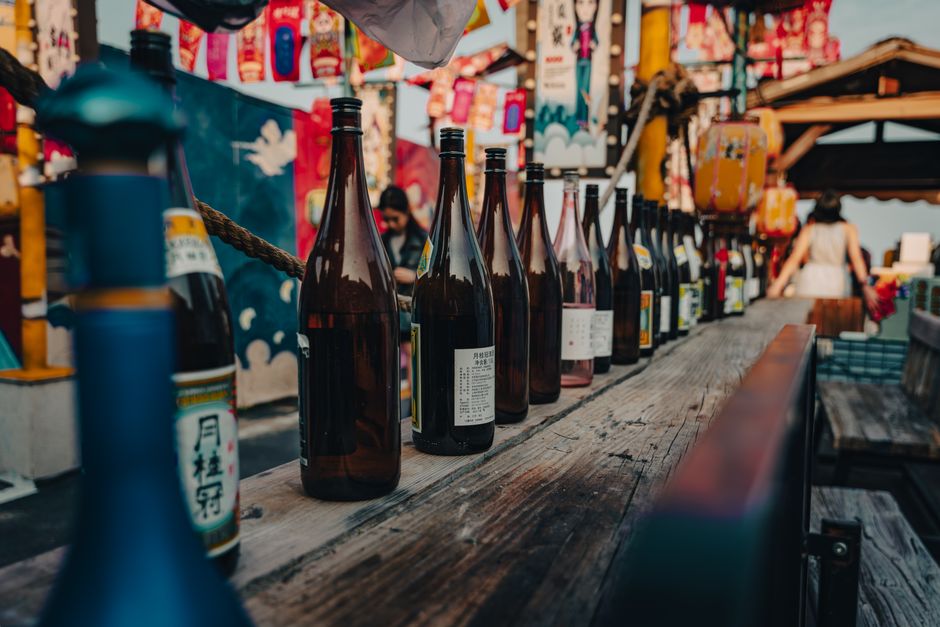 Photo by ZhiCheng Zhang on Pexels
In addition to the top-ranked new-generation brands, classic brands with national recognition also support the appeal of Niigata sake.
Kubota (Asahi Shuzo)
This is a representative Niigata sake brand produced by Asahi Shuzo in Nagaoka City. It offers a diverse lineup of Kubota products, including Manju, Senju, Hyakuju, Koju, Hekiju, and Suiju, and is known as a symbolic presence of Tanrei Karakuchi.
Hakkaisan (Hakkai Jozo)
This is a nationally beloved brand produced by Hakkai Jozo in Minamiuonuma City. With a clean taste and versatile flavor that pairs well with various dishes, it is popular in a wide range of settings.
Koshino Kanbai (Ishimoto Shuzo)
This popular brand by Ishimoto Shuzo in Niigata City was once called "phantom sake." As the original pioneer of Tanrei Karakuchi, it is a historic brand that established the style of Niigata sake.
Secchubai (Maruyama Shuzojo)
This brand, produced by Maruyama Shuzojo in Joetsu City, has a clean taste. It is a well-balanced sake that offers a distinct umami flavor even within its Tanrei Karakuchi profile.
Echigo Tsurukame (Echigo Tsurukame Shuzo)
This brand consistently ranks high in sake tasting competitions at Niigata City's popular sake museum, "Ponshukan." It has become a representative Niigata sake brand popular among tourists.
How to Choose Niigata Sake
 Photo by Matthew Jesús on Pexels
Here are some tips for finding your favorite bottle among the many Niigata sakes.
Choose by Price Range
For everyday drinking, brands in the 1,000-2,000 yen range (such as Hakkaisan, Shimeharitsuru, Koshino Kanbai, Kubota Senju) are good options. For special occasions, consider the 3,000-5,000 yen range (Junmai Daiginjo class). For gifts, options over 5,000 yen (such as Kubota Manju, Abe, or premium Nifuda Sake lines) are available.
Choose by Flavor Profile
If you're looking for the classic Tanrei Karakuchi, Koshino Kanbai, Hakkaisan, and Kubota are recommended. For a modern, fruity style, Nifuda Sake, Gagakudai, and Ryoko are suitable. If you prioritize richness, Murayu and Yamama are good choices.
Choose by Brewery History and Individuality
There's the stable quality of long-established breweries (like Asahi Shuzo, Ishimoto Shuzo, Miyao Shuzo) with over 200 years of history, and the innovativeness of new-generation breweries (like Abe Shuzo, Kamo Kinshu Shuzo). Each has its own appeal.
Dishes that Pair Well with Niigata Sake
 Photo by Valeria Boltneva on Pexels
Since Niigata sake is primarily Tanrei Karakuchi, it pairs exceptionally well with dishes that have delicate flavors.
When combined with Japanese cuisine that highlights the natural flavors of ingredients, such as sashimi, sushi, grilled white fish, or simple salt-seasoned dishes, the clear taste of Niigata sake enhances the food.
It also pairs well with local specialties like Nanban Ebi (sweet shrimp), Nodoguro (blackthroat seaperch), Sasa Dango (mugwort mochi dumplings wrapped in bamboo leaves), and Hegi Soba (buckwheat noodles served in a hegi wooden tray). The combination of local flavors and local sake is a unique pleasure of Niigata.
How to Enjoy Niigata Sake
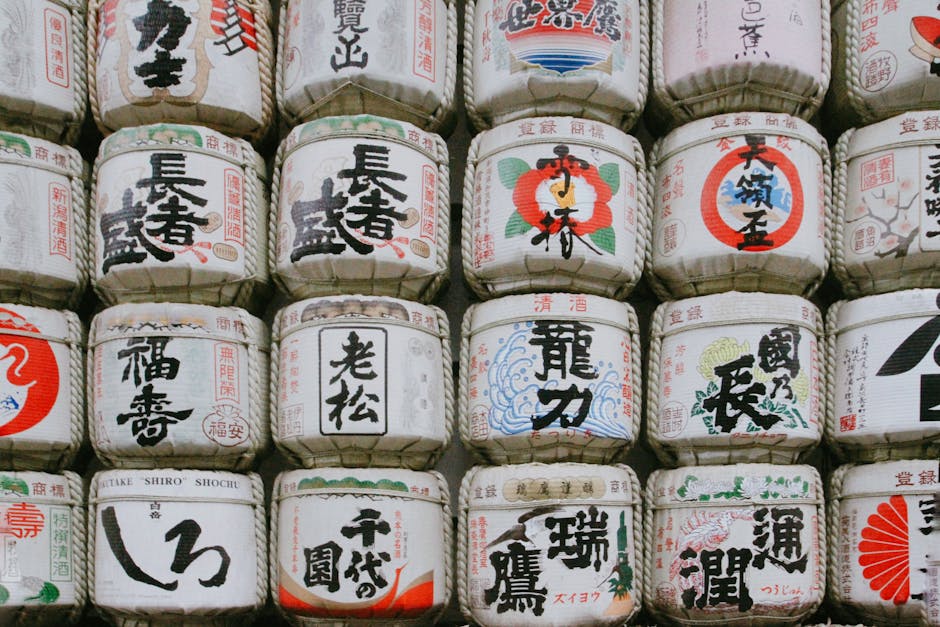 Photo by
 Niigata sake reveals various facets depending on how it's served.
Clear and Crisp with Reishu
The light and crisp characteristics of Niigata sake are best expressed when served as reishu (冷酒), chilled to 5-10 degrees Celsius. Its refreshing taste and clean finish stand out, making it perfect for warmer seasons.
Umami at Room Temperature (Hiya)
At room temperature (hiya), around 15 degrees Celsius, the rice's umami and complex flavors are well-balanced. This is the ideal temperature to slowly enjoy with food.
Gentle Warmth with Nurukan
When served as nurukan (ぬる燗), lukewarm at around 40 degrees Celsius, the delicate aroma of Niigata sake rises, and the rice-derived sweetness gently spreads. It is recommended for evening drinks in winter.
Aroma in a Wine Glass
Niigata sake of the Ginjo-shu (吟醸酒) type can be fully enjoyed for its delicate ginjo aroma when drunk from a wide-mouthed wine glass. This serving method is especially recommended for modern brands like Nifuda Sake and Gagakudai.
How to Purchase Niigata Sake
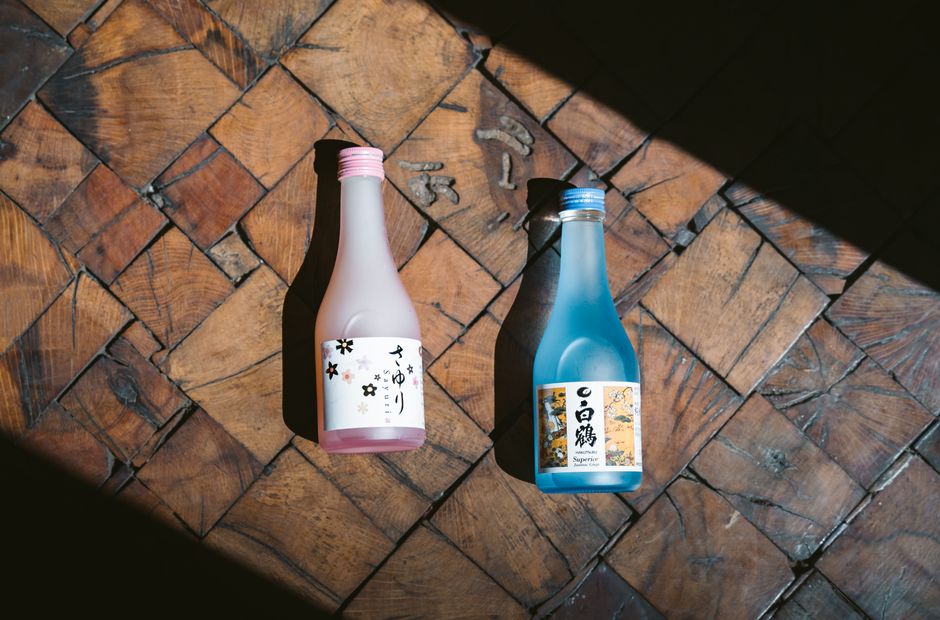 Photo by Miguel González on Pexels
Niigata sake can be widely purchased nationwide.
Products from major sake breweries like Asahi Shuzo, Hakkai Jozo, and Ishimoto Shuzo are available at liquor stores nationwide and major e-commerce sites. On the other hand, popular new-generation brands such as Abe Shuzo's "Abe" and Kamo Kinshu Shuzo's "Nifuda Sake" are often purchased at specialty sake stores or directly from the breweries' online shops.
There is also the option to choose Niigata sake as a return gift for Furusato Nozei (hometown tax donation), which is popular as an efficient way to try brands from regional breweries.
Summary
 Photo by mingche lee on Pexels
Niigata Prefecture's sake is synonymous with "Tanrei Karakuchi," a style created by snowmelt water, the sake-brewing rice "Gohyakumangoku," and the tradition of kanzukuri. In addition to classic brands like Kubota, Hakkaisan, and Koshino Kanbai, modern, new-generation brands such as Abe, Nifuda Sake, Gagakudai, and Ryoko are continuously emerging, and the world of Niigata sake continues to evolve.
With a wide range of options based on price, flavor, and brewery individuality, the depth of Niigata sake's appeal lies in its ability to be enjoyed by everyone from beginners to connoisseurs. It also pairs excellently with Japanese cuisine, and its true value can be savored through various serving methods, including reishu, room temperature, nurukan, or in a wine glass.
Frequently Asked Questions
Q新潟の日本酒の特徴は何ですか?
新潟の日本酒は、雑味が少なくすっきりとした「淡麗辛口」が代名詞です。日本有数の豪雪地帯から得られる清らかな軟水と、酒造好適米「五百万石」、そして冬の低温でゆっくり発酵させる「寒造り」が、この繊細でクリアな酒質を生み出しています。
Q新潟の日本酒で人気の銘柄を教えてください。
新潟には「あべ」「荷札酒」「高千代」といった新世代の注目銘柄や、「久保田」「八海山」「越乃寒梅」といった全国的に有名な定番銘柄があります。それぞれ淡麗辛口、フルーティー系、濃厚な甘口など多様な味わいがあり、好みやシーンに合わせて選ぶことができます。
Q新潟の日本酒はどのような料理と合いますか?
淡麗辛口が中心の新潟酒は、刺身や寿司、白身魚の焼き物など、素材の味を活かした繊細な和食と相性抜群です。南蛮エビやのどぐろ、へぎ蕎麦といった新潟名物の郷土料理とも好相性で、地元の味と地元の酒という組み合わせが楽しめます。
Q新潟の日本酒を選ぶ際のポイントは何ですか?
新潟の日本酒は、価格帯、味わい、蔵元の歴史や個性で選ぶのがおすすめです。普段の晩酌には1,000〜2,000円帯、特別な日には純米大吟醸クラス、贈答品には5,000円以上の銘柄を。王道の淡麗辛口からフルーティー系、コク重視まで多様な味わいがあります。