Does Sake Go Bad? How Long It Stays Good & Best Storage Practices
+------------------------------------------------------------------------------------------------------------------------------------------------------------------------------------------------------------------------------------------------------------------------------------------------------------------------------------------------------------------------------------------------------------------------------------------------------------------------------------------------------------------------------------------------------------------------------------------------------------------------------------------------------------------------------------------------------------------------------------------------------------------------------------------------------------------------------------------------------------------------------------------------------------------------------------------------------------------------------------------------------------------------------------------------------------------------------------------------------------------------------------------------------------------------------------------------------------------------------------------------------------------------------------------------------------------------------------------------------------------------------------------------------------------------------------------------------------------------------------------------------------------------------------------------------------------------------------------------------------------------------------------------------------------------------------------------------------------------------------------------------------------------------------------------------------------------------------------------------------------------------------------------------------------------------------------------------------------------------------------------------------------------------------------------------------------------------------------------------------------------------------------------------------------------------------------------------------------------------------------------------------------------------------------------------------------------------------------------------------------------------------------------------------------------------------------------------------------------------------------------------------------------------------------------------------------------------------------------------------------------------------------------------------------------------------------------------------------------------------------------------------------------------------------------------------------------------------------------------------------------------------------------------------------------------------------------------------------------------------------------------------------------------------------------------------------------------------------------------------------------------------------------------------------------------------------------------------------------------------------------------------------------------------------------------------------------------------------------------------------------------------------------------------------------------------------------------------------------------------------------------------------------------------------------------------------------------------------------------------------------------------------------------------------------------------------------------------------------------------------------------------------------------------------------------------------------------------------------------------------------------------------------------------------------------------------------------------------------------------------------------------------------------------------------------------------------------------------------------------------------------------------------------------------------------------------------------------------------------------------------------------------------------------------------------------------------------------------------------------------------------------------------------------------------------------------------------------------------------------------------------------------------------------------------------------------------------------------------------------------------------------------------------------------------------------------------------------------------------------------------------------------------------------------------------------------------------------------------------------------------------------------------------------------------------------------------------------------------------------------------------------------------------------------------------------------------------------------------------------------------------------------------------------------------------------------------------------------------------------------------------------------------------------------------------------------------------------------------------------------------------------------------------------------------------------------------------------------------------------------------------------------------------------------------------------------------------------------------------------------------------------------------------------------------------------------------------------------------------------------------------------------------------------------------------------------------------------------------------------------------------------------------------------------------------------------------------------------------------------------------------------------------------------------------------------------------------------------------------------------------------------------------------------------------------------------------------------------------------------------------------------------------------------------------------------------------------------------------------------------------------------------------------------------------------------------------------------------------------------------------------------------------------------------------------------------------------------------------------------------------------------------------------------------------------------------------------------------------------------------------------------------------------------------------------------------------------------------------------------------------------------------------------------------------------------------------------------------------------------------------------------------------------------------------------------------------------------------------------------------------------------------------------------------------------------------------------------------------------------------------------------------------------------------------------------------------------------------------------------------------------------------------------------------------------------------------------------------------------------------------------------------------------------------------------------------------------------------------------------------------------------------------------------------------------------------------------------------------------------------------------------------------------------------------------------------------------------------------------------------------------------------------------------------------------------------------------------------------------------------------------------------------------------------------------------------------------------------------------------------------------------------------------------------------------------------------------------------------------------------------------------------------------------------------------------------------------------------------------------------------------------------------------------------------------------------------------------------------------------------------------------------------------------------------------------------------------------------------------------------------------------------------------------------------------------------------------------------------------------------------------------------------------------------------------------------------------------------------------------------------------------------------------------------------------------------------------------------------------------------------------------------------------------------------------------------------------------------------------------------------------------------------------------------------------------------------------------------------------------------------------------------------------------------------------------------------------------------------------------------------------------------------------------------------------------------------------------------------------------------------------------------------------------------------------------------------------------------------------------------------------------------------------------------------------------------------------------------------------------------------------------------------------------------------------------------------------------------------------------------------------------------------------------------------------------------------------------------------------------------------------------------------------------------------------------------------------------------------------------------------------------------------------------------------------------------------------------------------------------------------------------------------------------------------------------------------------------------------------------------------------------------------------------------------------------------------------------------------------------------------------------------------------------------------------------------------------------------------------------------------------------------------------------------------------------------------------------------------------------------------------------------------------------------------------------------------------------------------------------------------------------------------------------------------------------------------------------------------------------------------------------------------------------------------------------------------------------------------------------------------------------------------------------------------------------------------------------------------------------------------------------------------------------------------------------------------------------------------------------------------------------------------------------------------------------------------------------------------------------------------------------------------------------------------------------------------------------------------------------------------------------------------------------------------------------------------------------------------------------------------------------------------------------------------------------------------------------------------------------------------------------------------------------------------------------------------------------------------------------------------------------------------------------------------------------------------------------------------------------------------------------------------------------------------------------------------------------------------------------------------------------------------------------------------------------------------------------------------------------------------------------------------------------------------------------------------------------------------------------------------------------------------------------------------------------------------------------------------------------------------------------------------------------------------------------------------------------------------------------------------------------------------------------------------------------------------------------------------------------------------------------------------------------------------------------------------------------------------------------------------------------------------------------------------------------------------------------------------------------------------------------------------------------------------------------------------------------------------------------------------------------------------------------------------------------------------------------------------------------------------------------------------------------------------------------------------------------------------------------------------------------------------------------------------------------------------------------------------------------------------------------------------------------------------------------------------------------------------------------------------------------------------------------------------------------------------------------------------------------------------------------------------------------------------------------------------------------------------------------------------------------------------------------------------------------------------------------------------------------------------------------------------------------------------------------------------------------------------------------------------------------------------------------------------------------------------------------------------------------------------------------------------------------------------------------------------------------------------------------------------------------------------------------------------------------------------------------------------------------------------------------------------------------------------------------------------------------------------------------------------------------------------------------------------------------------------------------------------------------------------------------------------------------------------------------------------------------------------------------------------------------------------------------------------------------------------------------------------------------------------------------------------------------------------------------------------------------------------------------------------------------------------------------------------------------------------------------------------------------------------------------------------------------------------------------------------------------------------------------------------------------------------------------------------------------------------------------------------------------------------------------------------------------------------------------------------------------------------------------------------------------------------------------------------------------------------------------------------------------------------------------------------------------------------------------------------------------------------------------------------------------------------------------------------------------------------------------------------------------------------------------------------------------------------------------------------------------------------------------------------------------------------------------------------------------------------------------------------------------------------------------------------------------------------------------------------------------------------------------------------------------------------------------------------------------------------------------------------------------------------------------------------------------------------------------------------------------------------------------------------------------------------------------------------------------------------------------------------------------------------------------------------------------------------------------------------------------------------------------------------------------------------------------------------------------------------------------------------------------------------------------------------------------------------------------------------------------------------------------------------------------------------------------------------------------------------------------------------------------------------------------------------------------------------------------------------------------------------------------------------------------------------------------------------------------------------------------------------------------------------------------------------------------------------------------------------------------------------------------------------------------------------------------------------------------------------------------------------------------------------------------------------------------------------------------------------------------------------------------------------------------------------------------------------------------------------------------------------------------------------------------------------------------------------------------------------------------------------------------------------------------------------------------------------------------------------------------------------------------------------------------------------------------------------------------------------------------------------------------------------------------------------------------------------------------------------------------------------------------------------------------------------------------------------------------------------------------------------------------------------------------------------------------------------------------------------------------------------------------------------------------------------------------------------------------------------------------------------------------------------------------------------------------------------------------------------------------------------------------------------------------------------------------------------------------------------------------------------------------------------------------------------------------------------------------------------------------------------------------------------------------------------------------------------------------------------------------------------------------------------------------------------------------------------------------------------------------------------------------------------------------------------------------------------------------------------------------------------------------------------------------------------------------------------------------------------------------------------------------------------------------------------------------------------------------------------------------------------------------------------------------------------------------------------------------------------------------------------------------------------------------------------------------------------------------------------------------------------------------------------------------------------------------------------------------------------------------------------------------------------------------------------------------------------------------------------------------------------------------------------------------------------------------------------------------------------------------------------------------------------------------------------------------------------------------------------------------------------------------------------------------------------------------------------------------------------------------------------------------------------------------------------------------------------------------------------------------------------------------------------------------------------------------------------------------------------------------------------------------------------------------------------------------------------------------------------------------------------------------------------------------------------------------------------------------------------------------------------------------------------------------------------------------------------------------------------------------------------------------------------------------------------------------------------------------------------------------------------------------------------------------------------------------------------------------------------------------------------------------------------------------------------------------------------

よつば
May 2, 2026

Does Sake Have an Expiration Date? Explaining the Best Drinking Period and Proper Storage Methods
Have you ever received a bottle of sake (日本酒) as a souvenir, or saved a favorite bottle to enjoy little by little, only to find no expiration date on the label when you finally went to drink it, leaving you wondering, "Is this still good?" In fact, sake is not legally required to display an expiration date like general food products. However, this doesn't mean its taste never changes. There's a definite period during which sake can be enjoyed at its best, depending on its type—such as Junmai-shu (純米酒), Ginjo-shu (吟醸酒), or Nama-zake (生酒)—and its storage environment. This article thoroughly explains everything from why sake doesn't have an expiration date, to guidelines for unopened and opened bottles, signs of deterioration, and proper storage methods to maintain freshness. By reading this article, you'll be able to accurately determine if your sake is currently in its most delicious state, allowing you to fully enjoy its original rich aroma and flavor down to the last drop.
Reasons Why Sake Doesn't Have an Expiration Date
When you look at a sake label, it's common to find only the production date (製造年月) listed, rather than a "best by" or "use by" date, which are often seen on food products. Understanding this correctly can help alleviate concerns about the absence of an expiration date. Let's first clarify why sake doesn't have an expiration date and what the production date signifies.
Less Prone to Spoilage Due to Alcohol's Sterilizing Effect
A major reason why sake labels don't display an expiration date is that its alcohol content makes its quality relatively stable, distinguishing it from general food products. The National Tax Agency (国税庁) states in its guidelines for alcoholic beverage labeling under the Food Labeling Act that alcoholic beverages are exempt from displaying storage methods, "use by" dates, or "best by" dates (nta.go.jp).
Sake typically has an alcohol content of around 15%, creating an environment where bacteria are less likely to multiply. This makes it different from perishable foods like milk or raw meat, which spoil quickly. The absence of an expiration date is based on the premise that sake is not a high-risk food product and does not spoil rapidly.
However, it's important to note that being resistant to spoilage is not the same as maintaining deliciousness for a long time. Even if sake doesn't spoil easily, its aroma and flavor change over time. The delicate, fragrant aromas of Ginjo-shu types, in particular, are susceptible to deterioration depending on storage conditions. Therefore, you need to differentiate between whether it's drinkable and whether it's still delicious.
Furthermore, the National Research Institute of Brewing (酒類総合研究所) identifies light, high temperatures, and oxygen as major enemies for all alcoholic beverages, and states that sake (清酒) also has different optimal storage conditions depending on its type, such as Junmai-shu, Ginjo-shu, or Nama-zake (nrib.go.jp). This indicates that while sake has a low risk of spoilage, quality changes due to the storage environment cannot be ignored.
In many households, sake is often left in a summer kitchen or on a sunny shelf, unknowingly leading to a decline in flavor. It's crucial not to be overly reassured by the absence of an expiration date and to understand that sake is a beverage whose quality can easily change.
Moreover, sake varies greatly depending on the brand and brewing method. While some types are suitable for aging, most commercially available sake is distributed with the expectation that it will be enjoyed relatively soon, in the condition intended by the brewery (蔵元). Rather than leaving it for a long time simply because there's no expiration date, checking the production date and storage method to enjoy it at the appropriate time will lead to greater satisfaction.
What the Production Date on the Label Means
The production date (製造年月) listed on a sake label is not the date the sake rice (酒米) was prepared or when fermentation began. According to the National Tax Agency's standards for sake production and quality labeling, the production period refers to the time when the sake is filled into containers and sealed for sale (nta.go.jp). In other words, the production date on the label generally indicates the timing of bottling or filling.
Misunderstanding this can lead to concerns that the sake might have been brewed years ago at the kura (蔵, brewery). However, it's easier to understand it as an indication of the month and year when the product was prepared for consumers to purchase. For example, if the production date is March 2026, it means the product was bottled or packaged in March 2026 and made ready for shipment.
The production date is important because it serves as the starting point for estimating the period during which sake can be enjoyed at its best. Instead of an expiration date, consumers look at this production date to judge how much time has passed. Since the guideline changes depending on whether it's pasteurized regular sake or Nama-zake, the production date is crucial information both at the time of purchase and during storage.
On the other hand, the production date alone doesn't reveal the storage history. For example, two bottles produced in March 2026 might offer different drinking experiences if one was properly stored in a cool, dark place while the other was kept in a high-temperature environment for a long time. The date on the label is merely one piece of information for judgment; it's also important to assess the sake's condition.
The National Tax Agency's labeling standards require the display of the production period on sake containers or packaging, and examples of year and month notation are provided (nta.go.jp). Understanding that the culture of looking at the production date instead of an expiration date is based on sake distribution and labeling rules will help you avoid confusion when reading labels.
When choosing sake at a store, simply picking the newest production date isn't always the best approach. However, for Ginjo-shu and Nama-zake, which prioritize freshness, a relatively recent production date is more likely to deliver the intended flavor. Conversely, there are exceptions for sake designed to be enjoyed with a sense of aging, but even in such cases, checking the brewery's explanation and storage conditions is essential.
Guidelines for Sake's Best Drinking Period
Even without an expiration date, sake has guidelines for the period during which it can be enjoyed at its best, varying by type such as Junmai-shu, Ginjo-shu, and Nama-zake. Here, we introduce easy-to-understand criteria for home use, divided into unopened regular sake, Nama-zake types, and opened sake. These are merely guidelines, but they can serve as practical benchmarks when you're unsure.
Condition | Type | Estimated Best Drinking Period | Key Storage Points |
Unopened | Honjozo-shu (本醸造酒) or Junmai-shu, etc. (Regular Sake) | Approximately 1 year from production date | Avoid light and high temperatures; can be stored at room temperature in a cool, dark place |
Unopened | Nama-zake or Nama-chozo-shu (生貯蔵酒), etc. | Approximately 6 to 9 months from production date | Requires refrigeration. Refrigerate as soon as possible after purchase. |
Opened | All types | Within a few weeks (1 month at the latest) | Seal tightly and refrigerate. Consume quickly. |
Unopened: Honjozo-shu, Junmai-shu, etc.
General sake that has undergone pasteurization (火入れ) twice is relatively stable. For types with a mellow aroma and flavor, such as Futsushu (普通酒), Honjozo-shu, and Junmai-shu, the National Research Institute of Brewing states that room temperature storage is possible if light is avoided. However, high temperatures must be avoided (nrib.go.jp).
As a guideline for home use, it's easy to manage if you consider approximately one year from the production date as a benchmark for unopened bottles. Of course, if stored perfectly, it might be drinkable for longer, but considering the balance of aroma and taste, it's safer to aim for consumption within one year for most commercially available sake.
While Junmai-shu and Honjozo-shu don't lose their aroma as easily as Ginjo-shu, changes in color and flavor will occur over time. Even if it doesn't become undrinkable, it's likely to deviate from the impression you expected at the time of purchase.
Unopened: Nama-zake, Nama-chozo-shu, etc.
Nama-zake and Nama-chozo-shu require more careful storage than regular sake. The National Research Institute of Brewing also advises that Nama-zake and Kassei Seishu (活性清酒, active sake) often have "refrigerate" labels and should be stored in a refrigerator (nrib.go.jp).
Nama-zake, being unpasteurized, is fresh and vibrant but also highly susceptible to temperature changes and the passage of time. Even unopened, it's safest to consider a guideline of approximately 6 to 9 months from the production date. For Nama-chozo-shu and sake that has been pasteurized only once (一回火入れ), it's also wise to consider a shorter period than regular sake to avoid disappointment.
Leaving it at room temperature after purchase can easily lead to aroma deterioration and flavor breakdown, so the basic rule is to refrigerate it as soon as possible after bringing it home. Especially during summer transport, a cooler bag provides peace of mind.
Opened Bottles
Once opened, sake, regardless of whether it's Junmai-shu, Honjozo-shu, or Ginjo-shu, undergoes oxidation when exposed to air. The National Research Institute of Brewing recommends sealing sake tightly after opening and consuming it promptly, ideally within about a month (nrib.go.jp). Furthermore, a study by the Tokyo Metropolitan Institute of Public Health and Safety reported that even alcoholic beverages, if stored at inappropriate temperatures for extended periods after opening, can not only suffer flavor deterioration but also, in rare cases, develop microorganisms such as film yeast (tokyo-eiken.go.jp).
However, for Ginjo-shu, which emphasizes aroma, and delicate Nama-zake, you might notice changes in impression within a few days to a week. If deliciousness is your priority, it's recommended to consume it promptly, or at the latest, within a few weeks. For a *yon-go-bin* (四合瓶, 720ml bottle), refrigerating it after opening and finishing it little by little with meals is a realistic approach.
Signs That Sake Has Deteriorated
You can somewhat judge the progression of sake deterioration by changes in its appearance, aroma, and taste. If you find a bottle of sake that is more than a year past its production date, it's important to first check its condition rather than drinking it immediately.
Color Change
If sake that was originally nearly colorless and transparent has turned yellowish or brownish, it may have been affected by oxidation or light. The National Research Institute of Brewing explains that light, high temperatures, and oxygen are major enemies of alcoholic beverages, and these factors can lead to changes in color (nrib.go.jp).
Visual changes are particularly likely if sake in a clear bottle has been stored in a bright place. While a slight change in color doesn't necessarily mean immediate disposal, it's highly probable that it has become different from what it was at the time of purchase.
Changes in Aroma and Taste
Regarding aroma, strong presence of the following characteristics warrants caution:
- Sour smell
- Pungent, sharp odor
- Heavy, burnt-like aroma
As a sign of sake deterioration, a strong *hineka* (老ね香), an aged aroma, may emerge. While it can be a unique characteristic in moderation, if it develops due to poor storage conditions like exposure to high temperatures or direct sunlight, it's likely to be unpleasant.
Regarding taste, the following changes can be indicators:
- Increased off-flavors
- Heavy aftertaste
- Bitterness or astringency more prominent than umami
If you taste a small amount and find a strong unpleasantness, it's best not to force yourself to finish it. Instead, consider repurposing it as cooking sake or bath additive, as described later.
Proper Storage Methods to Maintain Sake's Deliciousness
The satisfaction derived from sake can vary significantly even for the same brand, depending on the storage method. Here are three easy-to-implement tips for home storage:
- Temperature control
- Blocking light and UV rays
- Storing upright
Thorough Temperature Control
Temperature control is the most crucial aspect of sake storage. The National Research Institute of Brewing advises that all alcoholic beverages should be kept in a cool place, away from light. The recommended storage temperatures and precautions for each type are as follows:
Type | Recommended Storage Temperature/Location | Precautions |
Futsushu, Honjozo-shu, Junmai-shu | Cool, dark place (room temperature storage possible) | Avoid light and high temperatures. Locations where heat accumulates are unsuitable. |
Ginjo-shu, Junmai Ginjo-shu (純米吟醸酒) | Refrigerator (or a cooler place) | Refrigeration is less likely to fail as aromas can change easily. |
Nama-zake, Kassei Seishu | Refrigerator (requires refrigeration) | To the refrigerator immediately after purchase. Extremely sensitive to temperature changes. |
Regarding sake, the National Research Institute of Brewing states that mellow-aroma types like Futsushu, Honjozo-shu, and Junmai-shu can be stored at room temperature if light is avoided, but high-temperature locations should be avoided (nrib.go.jp).
Therefore, even for pasteurized regular sake, high-temperature environments such as next to a kitchen stove, near a window, close to heating, or inside a car in summer must be avoided. While the term "room temperature storage" might suggest anywhere indoors is fine, it actually presupposes a cool, dark place with minimal temperature fluctuations. Cupboards and storage spaces where heat can accumulate are also unsuitable.
On the other hand, Ginjo-shu and Junmai Ginjo-shu have delicate aromas and flavors that are prone to change. The National Research Institute of Brewing also recommends a cooler place, and for highly aromatic types, refrigerator storage is best (nrib.go.jp). If you want to enjoy a splendid aroma, choosing refrigerator storage, even for regular sake, will help prevent disappointment.
Nama-zake and Kassei Seishu require even more caution. For those with a "refrigerate" label, placing them in the refrigerator immediately after purchase is fundamental. Carrying them around for a long time while shopping or leaving them at room temperature after delivery can accelerate flavor degradation. Especially in summer, when outside temperatures are high, assume that even a short period can have an impact.
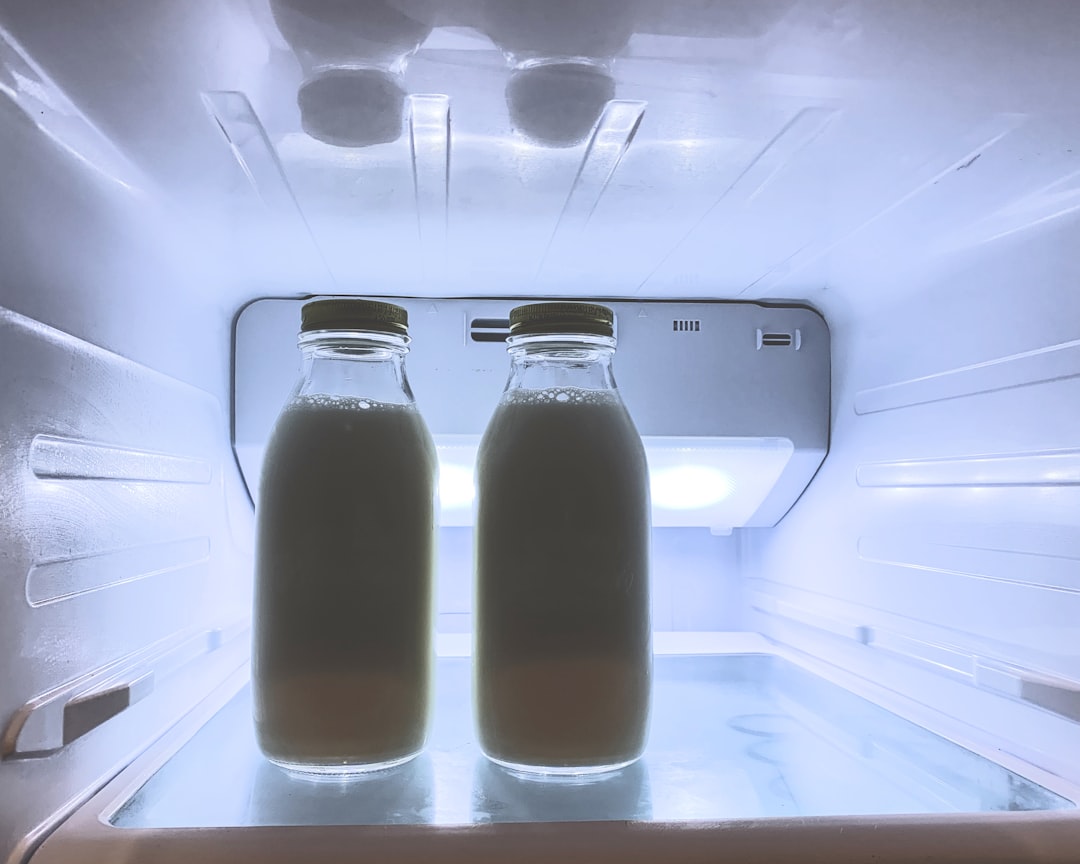
When storing at home, the back of the refrigerator, where temperature fluctuations are minimal, is more suitable than the door pockets. Door pockets are prone to temperature changes with opening and closing, which can gradually affect the quality of delicate sake. Both opened and unopened Ginjo-shu and Nama-zake should ideally be stored in as stable a temperature range as possible.
Also, be careful not to over-chill. The National Research Institute of Brewing explains that the quality of sake can change if the storage temperature is too low (nrib.go.jp). While standard settings on a household refrigerator are usually fine, storing sake in the freezer should generally be avoided.
If you don't plan to drink it immediately after purchase, separating storage locations by sake type is also effective. Organizing regular sake in a cool, dark place and Ginjo-shu or Nama-zake in the refrigerator will help prevent storage mistakes. Always check the "refrigerate" label and, if in doubt, choose refrigeration for safety.
Avoid Light and UV Rays
Light is as important as temperature as a factor that accelerates sake deterioration. The National Research Institute of Brewing specifically identifies UV rays as a major enemy of alcoholic beverages (nrib.go.jp). Furthermore, according to the Japan Sake and Shochu Makers Association (日本酒造組合中央会), UV rays should be particularly avoided when storing sake, as not only direct sunlight but also fluorescent light can cause a deterioration odor known as *nikko-shu* (日光臭, 'sunlight odor') (japansake.or.jp).
Therefore, while displaying sake on a shelf might look appealing, it's not ideal for storage. Clear or lightly colored bottles are highly susceptible to light, so avoid leaving them in a bright living room or on a counter. The recommendation for cool, dark storage is not only for temperature but also to protect against light.
An easy measure you can take at home is to wrap the bottle in newspaper or a light-blocking bag. Even without specialized storage equipment like a sake cellar, simply blocking light can significantly reduce the risk of deterioration. If you plan to store an unopened bottle for a while, returning it to its original box is also effective.
Even when placing sake in the refrigerator, the internal light turns on when the door is opened. For long-term storage, it's reassuring to protect the bottle with a box or paper as much as possible. While it might seem excessive, delicate elements like Ginjo aroma can change in impression even with small environmental differences.
When purchasing at a store, getting into the habit of checking whether bottles have been left in direct sunlight for extended periods will help you choose a bottle in good condition. Being aware not only of the production date but also the display environment at the point of sale will further reduce the chances of disappointment.
Store Bottles Upright, Not Lying Down
Sake bottles should generally be stored upright. While some people might imagine laying them down like wine, upright storage is easier to handle for sake and better for maintaining quality.
One reason is to minimize the surface area of sake exposed to air. Storing bottles horizontally increases the liquid's surface area, making it more susceptible to external influences during storage. Another reason is that prolonged contact with the cap can increase the risk of odor transfer, depending on the cap material.
Furthermore, after opening, there's a possibility of leakage through tiny gaps. Even when storing in the refrigerator, *yon-go-bin* (720ml bottles) and *is-sho-bin* (一升瓶, 1.8L bottles) should fundamentally be kept upright. If storage space makes this difficult, transferring the sake to smaller bottles after opening, for example, can make it easier to manage.
Ways to Utilize Old Sake
Even after sake has passed its peak deliciousness, it doesn't always need to be discarded immediately. If its aroma or taste has changed, making it unsuitable for drinking as is, it can sometimes be used without waste by repurposing it as cooking sake or a bath additive. Here are some easy-to-implement uses for old sake at home.
Utilize as Cooking Sake
The most convenient way to utilize old sake is as cooking sake. The National Research Institute of Brewing's sake introduction materials highlight that one characteristic of sake is its high content of umami-rich amino acids (nrib.go.jp). Therefore, using it in *nimono* (煮物, simmered dishes), *nabemono* (鍋物, hot pot dishes), or for preparing fish and meat can easily enhance richness.
Using sake in cooking can help soften the raw smell of fish and add roundness to the flavor of simmered dishes. The following dishes, in particular, pair well with sake and are easy to incorporate into everyday cooking:
- Simmered chicken
- Braised pork belly (*Buta no Kakuni*)
- Simmered fish (*Sakana no Nitsuke*)
- Seasoned rice cooked with ingredients (*Takikomi Gohan*)
However, avoid using sake that has a distinctly strong off-odor or if its storage condition was extremely poor and you have concerns. A good guideline for repurposing it for cooking is if the aroma deterioration is noticeable for drinking, but it seems perfectly fine for heated dishes.
Unlike commercially available cooking sake, which often contains salt and additives, drinking sake has a clean taste, making it easier to adjust the final flavor of your dish. By using it little by little, even a bottle you couldn't finish can be surprisingly consumed without waste.
Enjoy as a Sake Bath
Sake that is no longer suitable for drinking can also be used as a sake bath (*sake-buro*). This is a traditional method that has been enjoyed for a long time, and adding a small amount to your bathwater is suitable when you want to relax and enjoy your bathing time.
Generally, add about one to two cups to a household bathtub. If you are sensitive to the aroma, it's easier to start with a smaller amount. Water that is too hot can be irritating, so it's safest to enjoy it at your usual comfortable temperature.
However, for those with sensitive skin or who are sensitive to alcohol, it's important to start with a small amount and observe. If you feel unwell during the bath, stop immediately, and also check in advance for any potential effects on your bath's re-heating function or tub material. From a hygiene perspective, it's safer to drain the water the same day rather than leaving it for a long time like bath additives.
If you're looking to enjoy the aroma and atmosphere, a sake bath is an easy way to repurpose old sake. When it's a bit too harsh to drink but you're reluctant to throw it away, keeping this option in mind can be useful.
Frequently Asked Questions
Q日本酒に賞味期限はありますか?表示がない理由も教えてください。
日本酒には一般的な食品のような賞味期限の表示義務がありません。これはアルコール度数が15度前後と高く、雑菌が繁殖しにくいため腐敗しにくいからです。しかし、腐りにくいことと美味しさが長く続くことは異なり、時間と共に香りや味わいは変化します。光、高温、酸素は品質劣化の主な原因です。
Q日本酒ラベルの「製造年月」は何を意味しますか?
日本酒ラベルの製造年月は、その清酒を販売目的で容器に充填し密封した時期を指します。酒米を仕込んだ日や発酵開始日ではありません。この年月は、消費者が日本酒の鮮度や美味しく飲める期間を判断する重要な起点となります。特に生酒か火入れ酒かによって目安が変わるため、確認が大切です。
Q未開封の日本酒はどれくらい美味しく飲めますか?
未開封の日本酒は種類によって目安が異なります。火入れを2回行った一般的な本醸造酒や純米酒は、製造年月から約1年が美味しく飲める期間の目安です。一方、火入れをしていない生酒や生貯蔵酒はデリケートなため、製造年月から約6か月から9か月を目安に、要冷蔵で保存し早めに飲むことが推奨されます。
Q開封後の日本酒はいつまでに飲み切るべきですか?
開封後の日本酒は、空気に触れることで酸化が進み、香りや味わいが変化します。種類にかかわらず、しっかり栓をして冷蔵保存し、数週間以内、遅くとも1か月程度を目安に飲み切ることが推奨されます。特に繊細な吟醸酒や生酒は、数日から1週間ほどで風味の変化を感じることもあり、早めの消費が美味しさを保つ秘訣です。


