What is Sake Meter Value (SMV)? Sweet vs. Dry Sake & Acidity Explained
Puzzled by "Sake Meter Value" (SMV) on sake labels? Though it seems technical, understanding SMV shows if a sake is sweet or dry.

よつば
May 2, 2026
What is Sake Meter Value (SMV)? A Clear Explanation of its Relation to Sweetness/Dryness and Acidity
When choosing sake (日本酒) at a liquor store or restaurant, have you ever been puzzled by numbers like "+5" or "-2" written on the label, wondering, "What does it actually taste like?" While it might seem specialized and difficult at first glance, the Sake Meter Value (SMV) (日本酒度) is actually a powerful tool that, once you grasp how to read it, can help you understand whether a sake is sweet (甘口) or dry (辛口). By correctly understanding the meaning of these numbers and related factors like acidity (酸度), you'll be able to confidently choose a bottle that perfectly matches your preferences, making your daily evening drinks and restaurant orders dramatically more enjoyable.
However, the actual taste is not determined by the Sake Meter Value (SMV) alone. Factors such as acidity, amino acid level (アミノ酸度), aroma, and alcohol content also play a role. Therefore, some sake with a high SMV might feel mellow, while some with a low SMV might be refreshing to drink. According to data from the National Tax Agency (NTA) (国税庁), the SMV is presented as a specific gravity scale indicating sweetness or dryness. The National Research Institute of Brewing (NRIB) (独立行政法人酒類総合研究所) explains that the balance between sugar content and acidity significantly influences the perception of sweetness and dryness. The NTA states that the average SMV is generally around +4 to +5, and acidity is about 1.2 to 1.5 (nta.go.jp).
This article will systematically cover the basics of Sake Meter Value (SMV), its relationship with acidity, how to choose sake that suits your taste, and how to pair it with food. Once you understand how to read these numbers, you'll find it much easier to select the right bottle for you, whether you're at a store or a restaurant.
Sake Meter Value (SMV) is a Numerical Indicator of Sweetness or Dryness
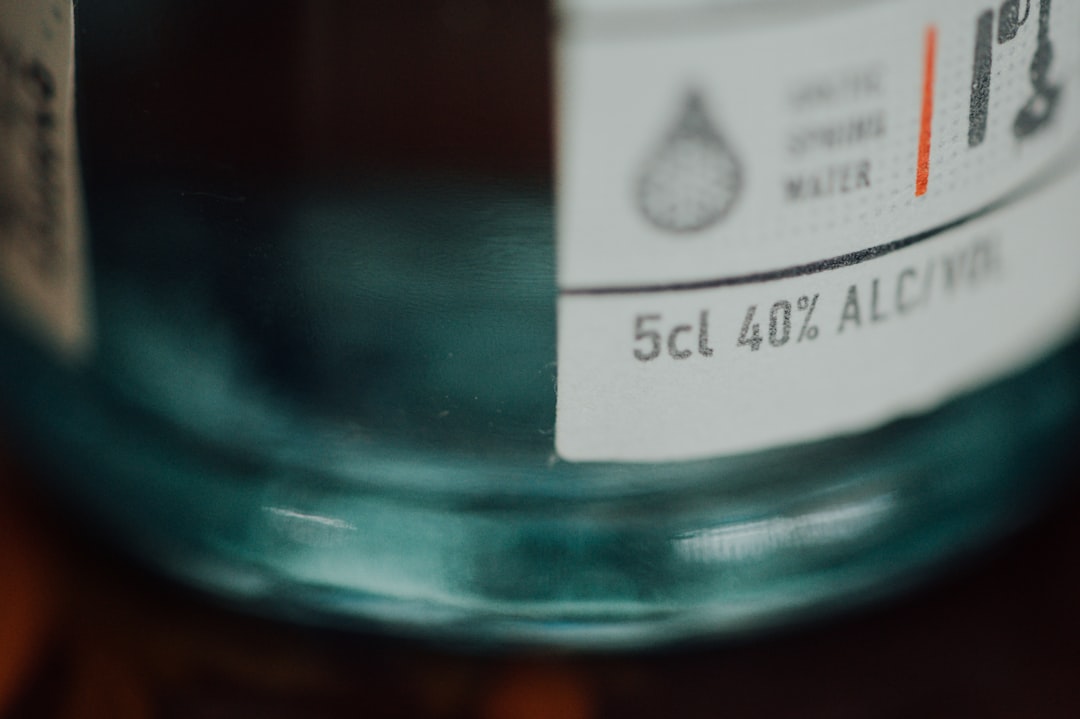
The Sake Meter Value (SMV) is a unique numerical value specific to sake, used to easily indicate its specific gravity. According to the glossary of the Japan Sake and Shochu Makers Association (日本酒造組合中央会), it is measured by floating a sake hydrometer in seishu (清酒) at 15°C. A value of 0 is assigned to sake that has the same specific gravity as pure water at 4°C. If the sake is lighter, the value is positive; if it's heavier, the value is negative (japansake.or.jp).
What's important here is that the more sugar present, the heavier the liquid tends to be. As fermentation progresses and sugar converts to alcohol, the sake becomes relatively lighter, and the SMV tends to shift towards the positive. Conversely, if a lot of sugar remains, the specific gravity becomes heavier, and the SMV tends to shift towards the negative. Therefore, it's easier to understand the SMV not as a direct measure of taste itself, but as a physical guideline for estimating sweetness or dryness.
Furthermore, according to the English materials from the National Tax Agency (NTA), the Sake Meter Value (SMV) is introduced as a "sweetness dryness index." However, as we will discuss later, high acidity can mask sweetness, making the sake taste drier. Thus, it's not appropriate to determine the taste solely based on the SMV. The number is merely an entry point; reading it in conjunction with acidity, aroma, and brewing method will improve accuracy.
The Meaning of Plus and Minus in Sake Meter Value (SMV)
It's often explained that a positive Sake Meter Value (SMV) indicates dry sake, and a negative SMV indicates sweet sake. This is because lighter sake tends to have less sugar, meaning the sugar has been thoroughly converted to alcohol through fermentation. Conversely, heavier sake retains relatively more sugar and other components, making it taste sweeter.
For example, an SMV around +5 is generally perceived as standard to slightly dry. According to the National Tax Agency (NTA), the national average is also around +4 to +5 (nta.go.jp). Therefore, values like +10 or higher often indicate a distinctly dry sake on the label. On the other hand, an SMV of -3 or -5 tends to indicate sake with noticeable sweetness and richness.
However, it's important to note that a positive SMV doesn't always mean sharp and dry, and a negative SMV doesn't always mean rich and sweet. For instance, even with an SMV of +3, if the acidity is high, it might feel crisp. If the aroma is floral, it might feel light. Conversely, even with a negative SMV, if the acidity is well-balanced, the finish might not be as heavy as expected.
In short, the plus and minus values of the Sake Meter Value (SMV) are very useful as a guide to taste, but in reality, they are more like a map for predicting the first impression. When purchasing, don't just chase the numbers; also check if it's a Junmai-style (純米系) or Ginjo-style (吟醸系), genshu (原酒) (undiluted) or kasui (加水) (diluted), or if it's meant to be served chilled (冷やして飲むタイプ), to avoid disappointment.
Acidity: Another Indicator that Determines Sake Flavor

Alongside the Sake Meter Value (SMV), acidity is an indispensable factor for understanding sake flavor. Acidity is an indicator of the amount of organic acids contained in sake, involving lactic acid, succinic acid, malic acid, and others. According to National Tax Agency (NTA) documents, acidity is an indicator of organic acid content such as lactic acid, succinic acid, and malic acid, and higher acidity tends to make sake taste richer and drier (nta.go.jp).
Sake is characterized by milder acidity and more umami (旨味) compared to wine. According to the Japan Sake and Shochu Makers Association, sake has less acidity and more umami than wine (japansake.or.jp). This is precisely why even slight differences in acidity can change the impression and influence the drinker's experience.
When you look at labels in stores, the Sake Meter Value (SMV) might be listed, but acidity might not be. Nevertheless, if the product description includes specific terms like "refreshing," "clean acidity," "light," or "rich umami," you can infer the general direction of the acidity. Particularly, Junmai-shu (純米酒), Kimoto-style (生もと系), and Yamahai-style (山廃系) sake tend to have noticeable acidity, which often contributes to a richer flavor profile.
What Kind of Numerical Value is Acidity?
Acidity is a numerical value indicating the amount of acid contained in sake. According to the National Tax Agency (NTA), the average acidity is around 1.2 to 1.5, and Junmai-shu (純米酒) generally tends to have higher acidity than other types (nta.go.jp). When this value is high, the sake's profile becomes clearer in the mouth, and you tend to perceive a crisp impression and richness.
Sake with high acidity doesn't simply mean it's sour. In the case of sake, acidity contributes to crispness, complexity, and its suitability as a food-pairing sake. For example, when paired with fatty dishes (like buta no kakuni (豚の角煮) (braised pork belly) or buri no teriyaki (ブリの照り焼き) (grilled yellowtail with teriyaki sauce)), the acidity cleanses the palate, making the next bite refreshing. Conversely, sake with lower acidity tends to have a gentler, rounder impression, allowing the aroma and rice sweetness to come to the forefront.
Furthermore, acidity also influences the perception of richness or lightness. According to the National Tax Agency (NTA), there's a proposed way of looking at sweetness/dryness and richness/lightness based on Sake Meter Value (SMV) and acidity (nta.go.jp). This means acidity is a crucial clue not only for sweetness/dryness but also for discerning whether a sake is tanrei (淡麗) (light and dry) or nojun (濃醇) (rich and full-bodied). Beyond the numbers, if you perceive a sake as "sharp," "full-bodied," or "long-finishing," acidity often plays a role in that experience.
The Deep Relationship Between Sake Meter Value (SMV) and Acidity
The sweetness or dryness of sake is not determined by the Sake Meter Value (SMV) alone. According to the National Research Institute of Brewing (NRIB), the sweetness/dryness of seishu (清酒) can be largely explained by the balance between sugar content and acidity. If the sugar content is the same, higher acidity makes sweetness less perceptible, while lower acidity makes sweetness more perceptible (nrib.go.jp). Understanding this concept makes it easier to grasp why the SMV might sometimes differ from the actual impression.
For example, even if the Sake Meter Value (SMV) is slightly negative, high acidity can lead to a crisp finish rather than cloying sweetness. Conversely, even if the SMV is positive, lower acidity might result in a mellow and gentle flavor that doesn't feel as dry as the number suggests. According to the Osaka National Tax Agency's "Seishu Sweetness/Dryness and Richness/Lightness Graph," which relatively indicates flavor based on SMV, acidity, and glucose content, it's clear that SMV alone cannot fully express the taste (nta.go.jp).
To make it easier to visualize, consider the following:
Sake Meter Value (SMV) | Acidity | Perceived Impression |
Higher Plus SMV | Higher | Dry with a crisp finish, suitable for meals |
Higher Plus SMV | Lower | Not as stiff as the number suggests, light and mellow |
Leaning towards Minus SMV | Higher | Sweetness is present, but the finish is crisp |
Leaning towards Minus SMV | Lower | Rich and full-bodied, mellow sweetness |
Knowing this relationship will significantly enhance your understanding when looking at labels and product descriptions. Reading not just whether the Sake Meter Value (SMV) is high or low, but also considering acidity and brewing methods, is the shortest path to finding your favorite bottle.
Recommended Sake and Characteristics Based on Sake Meter Value (SMV)
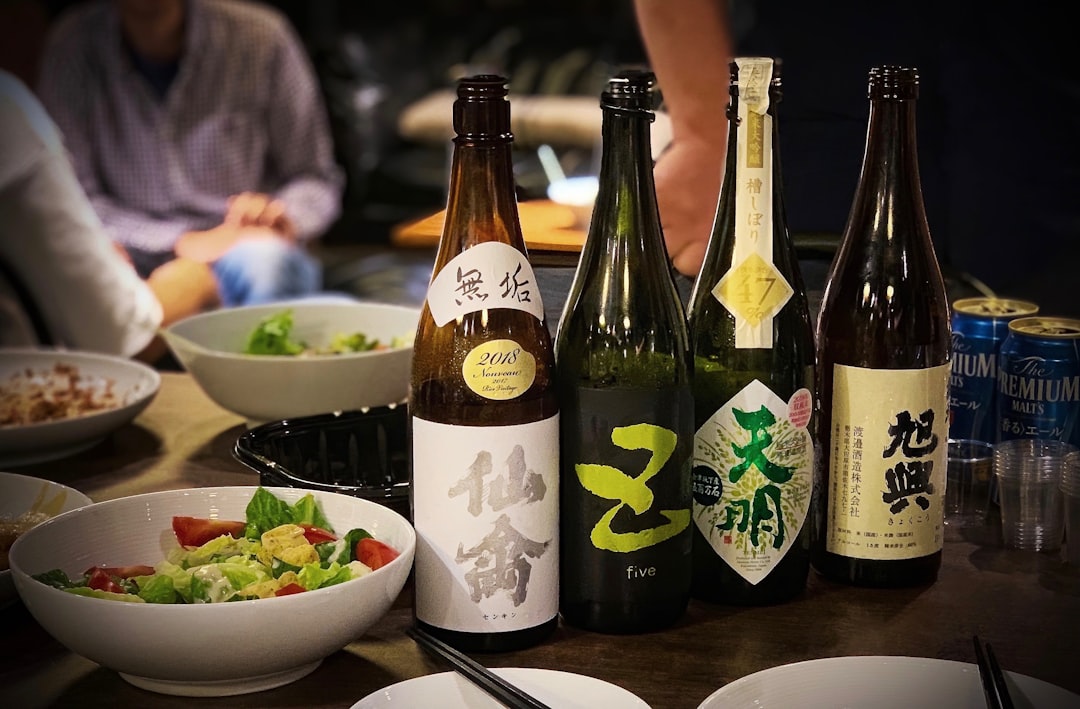
If you're unsure how to choose sake, start by using the Sake Meter Value (SMV) as a guide to decide whether you prefer dry or sweet. However, the actual taste is also influenced by aroma type, ingredients, rice polishing ratio (精米歩合), alcohol content, and whether it's pasteurized or not. Here, we'll organize what characteristics to look for to be satisfied, starting with the SMV.
According to the Japan Sake and Shochu Makers Association's special feature on low-alcohol sweet sake, it's advised for sake beginners that "the more negative the Sake Meter Value (SMV), the sweeter it tends to be" (japansake.or.jp). On the other hand, the National Research Institute of Brewing (NRIB) also touches on the influence of other factors like acidity. Therefore, it's smart to use the numbers as an initial guide and make the final decision by combining them with the taste description.
Characteristics and How to Choose Dry Sake with a Positive Sake Meter Value (SMV)
Sake with a positive Sake Meter Value (SMV) is generally characterized by restrained sweetness and a clean finish. Specifically, around +5 is considered standard to slightly dry, and +8 or higher indicates products explicitly aiming for a distinctly dry impression. Considering that the average value is +4 to +5 according to National Tax Agency (NTA) data, this range serves as a benchmark (nta.go.jp).
The appeal of dry sake is that it's easy to drink without fatigue and pairs well with food. It's compatible with dishes that highlight ingredients, such as sashimi, grilled fish, tempura, and salt-grilled yakitori, as the sake doesn't overpower the food but rather enhances its profile. According to the National Research Institute of Brewing's (NRIB) pairing guide, light and delicate sake pairs well with refreshing dishes (like white fish carpaccio or reishabu (冷しゃぶ) (chilled sliced pork)), enhancing the food's flavor (nrib.go.jp).
When choosing dry sake, it's advisable to look at acidity in addition to the Sake Meter Value (SMV). If both SMV and acidity are high, the sake tends to be crisp and suitable for meals, even pairing well with fatty dishes. Conversely, if the SMV is high but the acidity is low, you can enjoy it as a light and gentle dry sake. Furthermore, Ginjo-style (吟醸系) sake will have a floral aroma, giving a dry sake a less sharp impression.
Here are the key points for choosing:
Type to Choose | Guideline | Suited for |
Light and Dry | Sake Meter Value (SMV) around +3 to +6 | Beginners looking for "refreshing" and "easy-to-drink" sake |
Dry with a focus on crispness | Sake Meter Value (SMV) +7 or higher, and also higher acidity | Those who want sake for meals |
Aromatic Dry | Leaning towards positive SMV with Ginjo aroma (吟醸香) | Those who also want to enjoy the aroma |
Umami-rich Dry | Junmai-shu (純米酒) leaning towards positive SMV | Those who want to savor sake with food |
In stores, many products are simply labeled "dry." However, the more expressions like "tanrei (淡麗)" (light and dry), "refreshing," "sharp," or "crisp finish" are used in the product description, the closer it is likely to be to your desired taste. Conversely, if a dry sake is described as "rich in umami" or "full-bodied," you can expect a type that isn't just light but has a noticeable presence during a meal.
Characteristics and How to Choose Sweet Sake with a Negative Sake Meter Value (SMV)
Sake with a negative Sake Meter Value (SMV) is generally characterized by a relatively high residual sugar content, offering soft sweetness and richness. An SMV of -1 to -3 suggests an elegant gentleness, while -5 or lower indicates types that are more distinctly sweet. According to the Japan Sake and Shochu Makers Association, the more negative the SMV, the sweeter it tends to be (japansake.or.jp).
The appeal of sweet sake is that you can easily enjoy the umami of rice, fruit-like aromas, and a smooth mouthfeel. Especially with Ginjo-shu (吟醸酒) and low-alcohol sake, the balance of sweetness and acidity is often good, making some products easy to drink like wine. For those who feel they don't like sake, starting with a sweet type can often change their impression.
However, acidity is also very important when choosing sweet sake. According to the National Research Institute of Brewing (NRIB), high acidity tightens the sweetness, while low acidity makes it feel sweeter (nrib.go.jp). Therefore, even with the same negative SMV, sweet sake can be divided into light and easy-to-drink types, and rich, dessert-like sweet types.
Here's how to choose sweet sake:
Type to Choose | Guideline | Suited for |
Elegant Sweet | Sake Meter Value (SMV) around -1 to -3 | Those who seek a gentle, not-too-sweet taste |
Rich and Full-bodied Sweet | Sake Meter Value (SMV) -4 or lower | Those who want to enjoy umami (旨味) and richness |
Light Sweet | Leaning towards negative SMV with clean acidity | Sake beginners or for aperitifs |
Aromatic Sweet | Aromatic Ginjo-style (吟醸系) leaning towards negative SMV | Those who prioritize fruitiness |
When purchasing, it's less likely to make a mistake if you check not only the word "sweet" but also specific descriptions like "nojun (濃醇)" (rich and full-bodied), "hojun (芳醇)" (mellow and rich), "juicy," "fruity," or "low alcohol." In particular, types that are delicious when chilled tend to have less heavy sweetness and can be enjoyed refreshingly. Conversely, sweet sake that reveals its character at room temperature or nurukan (ぬる燗) (warm sake) is suitable for when you want to savor the umami of the rice and its lingering finish.
Food Pairing Based on Sake Meter Value (SMV) and Flavor
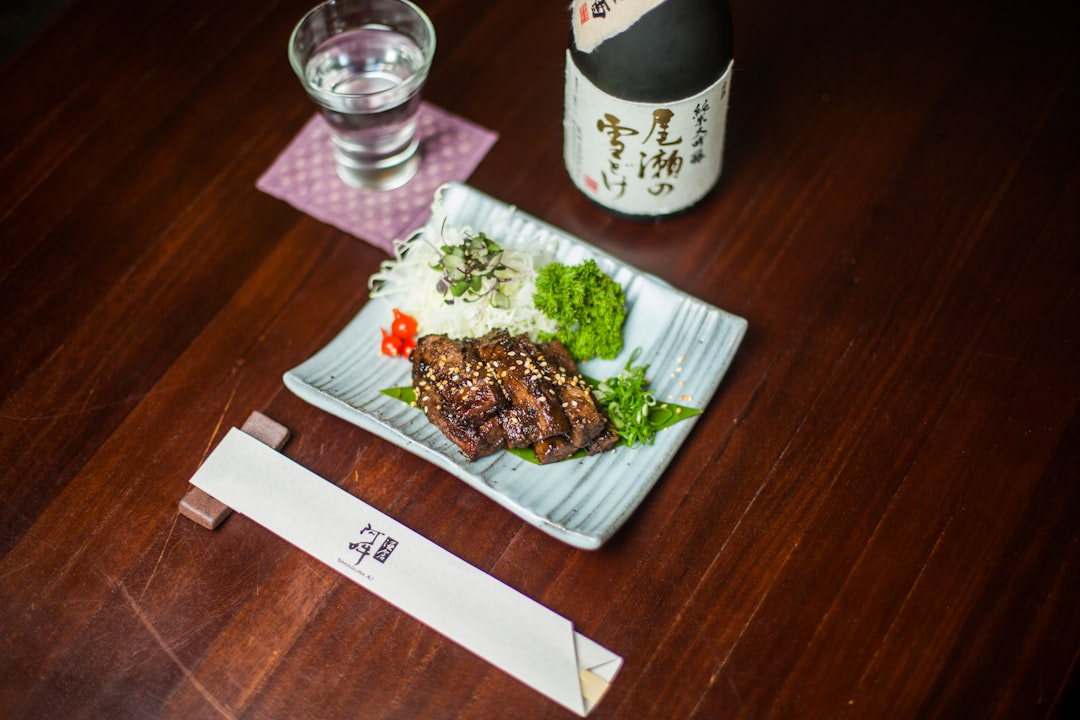
Sake can be enjoyed on its own, but pairing it with food can significantly change the impression. According to the National Research Institute of Brewing (NRIB), light and delicate sake pairs well with refreshing dishes (like vinegared dishes or salads), and it's easy to achieve balance by pairing sweet sake with dishes that also have strong sweetness or umami (nrib.go.jp). By looking at the Sake Meter Value (SMV), you can somewhat predict which types of dishes it will pair well with.
Dishes that Pair Well with Dry Sake
Dry sake pairs well with salty or umami-rich dishes, and those where you want a clean finish. Representative dishes include:
- Sashimi
- Salt-grilled white fish
- Hiyayakko (冷ややっこ) (chilled tofu)
- Edamame
- Tempura
- Yakitori (salt-grilled chicken skewers)
If the sake leans positive and also has good acidity, it won't feel heavy even with fried foods or fatty fish, making the entire meal progress lightly.
Furthermore, sake's excellent compatibility with seafood is a strong point. According to the National Research Institute of Brewing's (NRIB) pairing explanation, sake is less likely to produce an unpleasant fishy odor when paired with seafood, making it highly compatible with various seafood dishes (nrib.go.jp). If you're unsure, pairing dry sake with Japanese cuisine that highlights the natural flavors of ingredients is a safe bet.
Dishes that Pair Well with Sweet Sake
Sweet sake pairs well with dishes that have sweet and savory flavors or rich, full-bodied tastes. Examples of compatible dishes include:
- Teriyaki
- Sukiyaki
- Kakuni (角煮) (braised pork belly)
- Miso-based dishes
- Creamy dishes
- Cheese appetizers
These dishes allow the sweetness and umami to connect well, letting you enjoy the sake's richness. If it's an aromatic sweet sake, it also pairs well with the following dishes:
- Prosciutto and fruit
- Shira-ae (白和え) (mashed tofu salad)
- Amaebi (甘えび) (sweet shrimp)
Moreover, its compatibility with cheese should not be overlooked. According to the National Research Institute of Brewing (NRIB), sake tends to enhance the umami of cheese (nrib.go.jp). Sweet sake or umami-rich Junmai-shu (純米酒) can pair well with rich cheeses like cream cheese or washed-rind cheese (ウォッシュタイプ), offering a different kind of enjoyment than wine. Sweet sake isn't just for after-dinner; its charm truly shines when paired with robustly flavored dishes.
Frequently Asked Questions
Q日本酒度とは何ですか?甘口・辛口の目安になりますか?
日本酒度とは、日本酒の比重をわかりやすく示す独自の数値です。15度の純水を0とし、軽いとプラス、重いとマイナスで表します。糖分が少ないと軽くプラスに、糖分が多いと重くマイナスになるため、甘口か辛口かの目安として使われます。ただし、酸度も味わいに影響します。
Q日本酒度のプラスとマイナスは、味にどう影響しますか?
日本酒度がプラスの酒は糖分が少なく辛口、マイナスの酒は糖分が多く甘口の傾向があります。プラス5前後が標準的な辛口で、プラス値が大きいほど辛口、マイナス値が大きいほど甘口とされます。ただし、酸度や香りなど他の要素も複雑に絡み合うため、日本酒度だけで味わいを断定はできません。
Q日本酒の甘辛は日本酒度だけで決まりますか?酸度との関係は?
日本酒の甘辛は日本酒度だけで決まるわけではありません。酸度、アミノ酸度、香り、アルコール度数も影響します。特に酸度とのバランスが重要で、糖分が同じでも酸度が高いと甘みを感じにくく辛口に、酸度が低いと甘みを感じやすくなります。日本酒度と酸度を合わせて読むことで、より正確な味わいを予測できます。
Q日本酒の酸度とは何ですか?味わいにどう影響しますか?
酸度とは、日本酒に含まれる乳酸やコハク酸などの有機酸の量を示す数値です。平均は1.2~1.5程度で、酸度が高いほどコク深くドライに感じられ、キレや立体感、食中酒としての使いやすさにつながります。酸度が低いと、やさしく丸い印象になり、香りや米の甘みを前面に感じやすくなります。


