How to Store Sake: Opened vs. Unopened Bottles & Refrigerator Tips
Sake is delicate. Improper storage can ruin its flavor, leading to endless questions: room temp or fridge? How long after opening? This guide covers proper storage for unopened and opened sake, by type.

よつば
May 2, 2026
Japanese sake (日本酒) is a delicate beverage. If stored incorrectly, its precious flavors can be lost. Questions about storage are endless: "Is it okay to store at room temperature?", "How long does it last after opening?", "Should it be refrigerated?". This article will explain the correct way to store Japanese sake, divided into pre-opening and post-opening, along with specific points for different types.
Basic Rules for Sake Storage
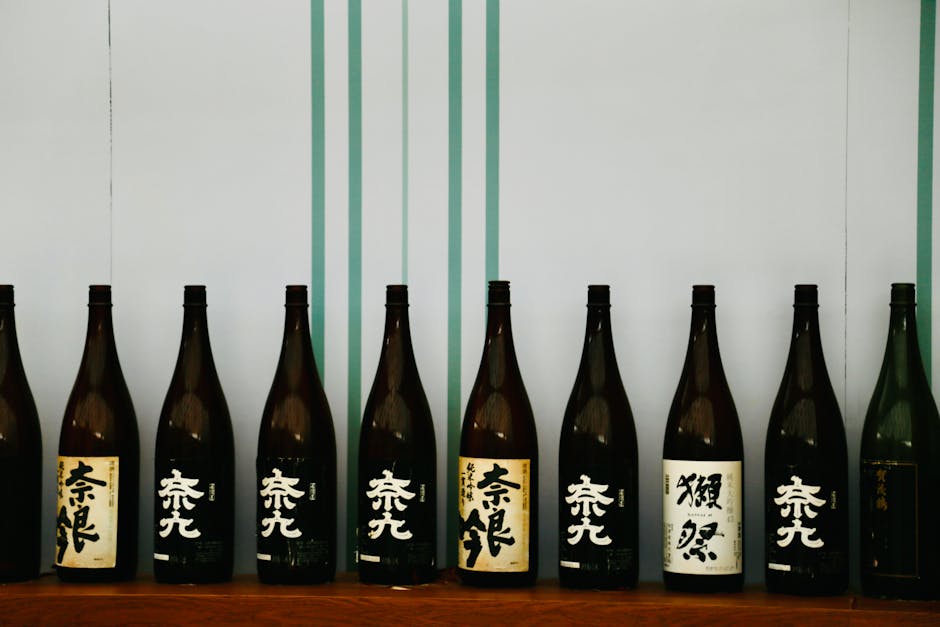 Photo by
 The fundamental rule for storing Japanese sake is "keep it in a cool, dark place." Sake is vulnerable to three elements: temperature, light, and air. Avoiding these will help maintain its quality for longer.
Temperature Management
The ideal temperature for storing Japanese sake is 5 to 15 degrees Celsius (41 to 59 degrees Fahrenheit). Even for brands that can be stored at room temperature, high summer temperatures must be avoided. Rising temperatures can degrade the sake's quality and lead to an off-flavor known as "hine" (老ね), a stale or aged smell.
Especially for Namazake (生酒, unpasteurized sake) and Nama-chozo-shu (生貯蔵酒, sake pasteurized only once before bottling), refrigeration at 5 degrees Celsius (41 degrees Fahrenheit) or below is essential.
Protect from Light
Japanese sake is extremely sensitive to ultraviolet light. Direct sunlight, as well as prolonged exposure to fluorescent or incandescent light, can cause a unique off-flavor called "nikko-shu" (日光臭), or "sunlight-struck" flavor.
It's important to take measures to block light, such as wrapping bottles in newspaper, returning them to their original gift boxes, or storing them in a dark cabinet or refrigerator. Many sake bottles are green or brown precisely to cut down on UV light exposure.
Avoid Contact with Air
Once opened, Japanese sake will oxidize when exposed to air. Oxidation degrades the flavor, leading to a noticeable sharp acidity or sourness.
After opening, it's ideal to tightly close the bottle and consume the sake as quickly as possible.
How to Store Unopened Sake
 Photo by Matthew Jesús on Pexels
The storage method for unopened Japanese sake varies depending on its type.
Pasteurized Sake is OK in a Cool, Dark Place
General Japanese sake that has undergone pasteurization (火入れ, hi-ire), such as Junmai-shu (純米酒, pure rice sake), Honjozo-shu (本醸造酒, sake with added brewer's alcohol), and Ginjo-shu (吟醸酒, premium sake), can be stored at room temperature in a cool, dark place away from direct sunlight.
However, in environments where temperatures exceed 20 degrees Celsius (68 degrees Fahrenheit), such as during summer or in heated rooms, the quality will degrade more quickly. Ideally, storage in a cooler spot like the vegetable drawer of a refrigerator, a shoe closet, or under-floor storage is recommended.
Namazake Must Be Refrigerated
Namazake (生酒, unpasteurized sake), Nama-chozo-shu (生貯蔵酒, sake pasteurized only once before bottling), and Nama-zume-shu (生詰め酒, sake pasteurized only once after storage) are types of sake that have not undergone full pasteurization and require refrigeration. If left at room temperature, the activity of enzymes and microorganisms will rapidly alter the flavor and accelerate deterioration.
It is recommended to store these in a refrigerator at 5 degrees Celsius (41 degrees Fahrenheit) or below and consume them as quickly as possible.
Ginjo-shu and Daiginjo-shu Also Recommended for Refrigeration
Even pasteurized Ginjo-shu (吟醸酒) and Daiginjo-shu (大吟醸酒) are delicate sakes that benefit from refrigeration to preserve their subtle aromas. While they can be consumed at room temperature, storing them in the refrigerator is ideal to fully enjoy their fruity "ginjo-ka" (ginjo aroma).
How to Store Opened Sake
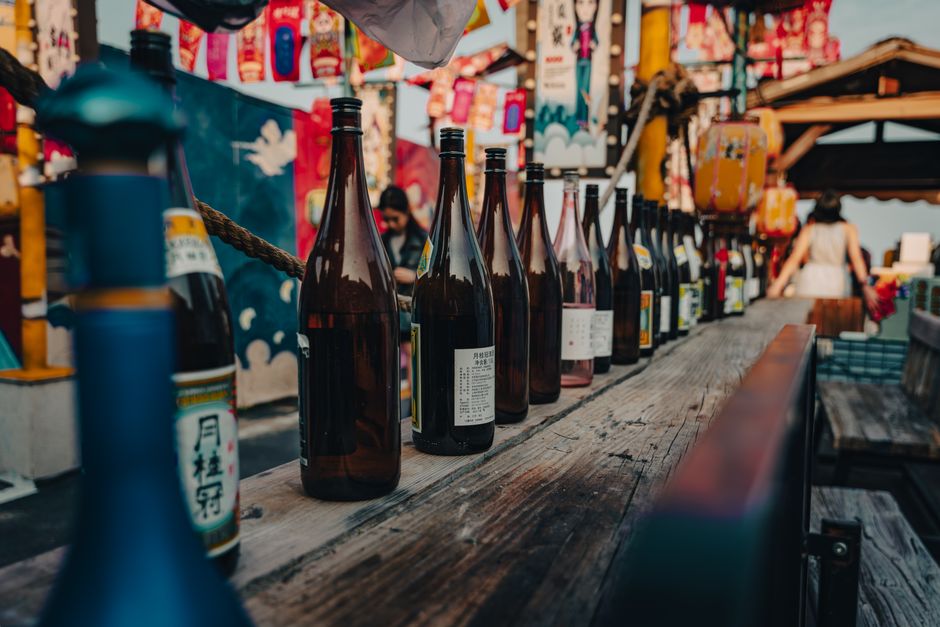 Photo by ZhiCheng Zhang on Pexels
Once opened, Japanese sake undergoes oxidation, so even greater care must be taken with its storage.
Always Store in the Refrigerator
After opening, refrigeration is the basic rule for all types of Japanese sake. Refrigerator temperatures, typically around 5 degrees Celsius (41 degrees Fahrenheit), significantly slow down the speed of oxidation and deterioration.
Storing bottles upright can also help reduce the contact area between the cap and the liquid surface, further suppressing oxidation.
Minimize Contact with Air
Tightly close the bottle cap or cork to reduce contact with air. If only a small amount of sake remains, transferring it to a smaller container can help minimize oxidation.
Using a vacuum pump to remove air from the bottle, similar to how it's done with wine, can also be effective, but since these are not specifically designed for sake, do not rely on them excessively.
Guideline for Storage Period After Opening
The ideal drinking period for opened Japanese sake varies by type.
For Ginjo-shu (吟醸酒) and Daiginjo-shu (大吟醸酒), where aroma is key, it's ideal to finish them within 1 to 10 days after opening. Junmai-shu (純米酒) and Honjozo-shu (本醸造酒) can maintain their flavor for about 2 weeks to 1 month. Namazake (生酒) should be consumed within 3 days to 1 week after opening, as quickly as possible.
However, storage conditions and individual differences can affect this, so if the taste seems off, it's best not to force yourself to drink it.
Sake Does Not Have an Expiration Date
 Photo by Miguel González on Pexels
It might be surprising, but Japanese sake is not legally required to display an expiration date. Instead, it shows a "manufacturing date" (製造年月).
Best Before Date Based on Manufacturing Date
For pasteurized sake, a general guideline for the best drinking period is within one year of the manufacturing date. For Namazake (生酒), it's within six months. Beyond these periods, flavor deterioration tends to accelerate.
However, if stored well, sake can sometimes be enjoyed even after these periods, while poor storage can lead to quicker deterioration. These are merely guidelines.
Enjoying Koshu - Aged Sake
There is also a category of sake intentionally aged for a long period, known as Koshu (古酒) or Jukusei-shu (熟成酒). This refers to sake aged for three years or more, which develops an amber color and a rich, deep flavor similar to Shaoxing wine.
This is not deterioration but a valuable maturation, and such sake is produced by specialized breweries (酒蔵, sakagura) in temperature-controlled environments.
Storage Techniques When Refrigerator Space is Limited
 Photo by Jon Discipulo on Pexels
Many people want to put a 720ml bottle (四合瓶, yon-go-bin) or a 1.8-liter bottle (一升瓶, is-sho-bin) in the refrigerator but lack space.
One method is to decant a 1.8-liter bottle into smaller, more manageable 720ml bottles. By transferring it into clean empty bottles and storing them in the refrigerator, you can improve space efficiency. When transferring, it's crucial to sterilize the bottles with hot water and minimize contact with air.
Alternatively, using a wine cooler or cellar is also an effective option. While not specifically for sake, they provide a temperature-controlled environment for storage.
Ways to Use Opened Sake
 Photo by Chaos Tyrone on Pexels
If you accidentally exceed the recommended storage period for your sake, you can still use it in cooking.
Sake can be used in various Japanese dishes, such as a secret ingredient in simmered dishes, to remove odors from meat and fish, or to enhance the flavor of miso soup. Even deteriorated sake can be enjoyed in cooked dishes, so consider using it as cooking sake before discarding it.
Sake also plays a role as an ingredient in pickles, kasuzuke (sake-lees pickles), and amazake (sweet fermented rice drink).
Summary
 Photo by
 The three basic rules for storing Japanese sake are: "cool, dark place," "avoid light," and "minimize contact with air." While pasteurized sake can be stored at room temperature in a cool, dark place, Namazake (生酒) must always be refrigerated. Ginjo-shu (吟醸酒) and Daiginjo-shu (大吟醸酒) are also ideally refrigerated.
Once opened, all types of sake must be refrigerated, and ideally consumed within 1 week to 1 month, depending on the type. Since there is no expiration date, use the manufacturing date as a guide for its best drinking period. By following the correct storage methods, you can enjoy your favorite sake deliciously down to the very last drop.
Frequently Asked Questions
Q日本酒の正しい保存方法は何ですか?開封前の注意点も教えてください。
日本酒の保存は「冷暗所」「光を避ける」「空気との接触を減らす」が基本です。開封前の火入れ済み日本酒は直射日光の当たらない冷暗所で常温保存が可能ですが、夏場や高温環境は避け、冷蔵庫の野菜室などが理想的です。生酒は必ず5度以下の冷蔵庫で保管し、吟醸酒・大吟醸酒も冷蔵保存が望ましいです。
Q開封後の日本酒はどのように保存すれば良いですか?飲み頃の目安も知りたいです。
開封後の日本酒は種類を問わず冷蔵庫で保存し、瓶の口をしっかり閉めて空気との接触を最小限にすることが重要です。吟醸酒・大吟醸酒は1週間〜10日、純米酒・本醸造酒は2週間〜1か月、生酒は3日〜1週間以内に飲み切るのが理想的な目安です。残量が少ない場合は小さい容器への移し替えも有効です。
Q生酒や吟醸酒の保存方法で注意すべき点はありますか?冷蔵庫は必須ですか?
生酒、生貯蔵酒、生詰め酒など火入れされていない日本酒は、酵素や微生物の活動が活発なため、必ず5度以下の冷蔵庫で保管が必要です。火入れ済みの吟醸酒や大吟醸酒も、繊細な香りを保つために冷蔵保存が望ましいとされています。常温でも飲めますが、冷蔵庫に入れることで品質劣化を防ぎ、風味を長く楽しめます。
Q日本酒に賞味期限はありますか?製造年月からいつまで飲めますか?
日本酒には法律上の賞味期限表示義務がなく、「製造年月」が記載されています。火入れ済みの日本酒は製造年月から1年以内、生酒は半年以内が一般的な飲み頃の目安です。ただし、保管状態が良ければそれ以上飲める場合もあり、あくまで目安として考え、味わいがおかしいと感じたら無理に飲まないでください。
Q冷蔵庫に日本酒が入らない場合の保存テクニックは?劣化した日本酒の活用法も。
冷蔵庫スペースがない場合、一升瓶を熱湯消毒した四合瓶などに小分けして冷蔵庫に入れると効率的です。ワインクーラーやセラーの利用も有効です。保存期間を過ぎて風味が劣化した日本酒は、煮物や味噌汁の隠し味、肉や魚の臭み消しなど、加熱料理に活用できます。漬物や甘酒の材料としても利用可能です。


