Sake Calories: Is It Fattening? Types, Calorie Counts, & Weight-Friendly Drinking Tips
Many worry sake is "fattening." What are its actual calories for the health-conscious? We'll reveal the truth, compare it to other drinks, and share smart tips.

よつば
May 2, 2026
For those on a diet or concerned about their health, the calorie content of alcoholic beverages is a significant concern. Sake (日本酒) often carries the image of being "fattening," but what is its actual calorie count? This article will detail sake's calories by type, compare it with other alcoholic drinks, and explain how to drink it in a way that minimizes weight gain.
Sake Calories: Approximately 105kcal per 100ml
 Photo by
 Sake's calorie content is approximately 105kcal per 100ml. When converted to one go (一合), which is 180ml, it comes out to about 190kcal.
These calories primarily come from alcohol and carbohydrates. Since sake is a brewed alcoholic beverage containing carbohydrates derived from rice, it has additional calories from carbohydrates on top of those purely from alcohol.
Calorie Comparison: One Go, 720ml Bottle, and 1.8-Liter Bottle
The approximate calorie content by volume is as follows:
One go (180ml) is approximately 190kcal, two go (360ml) is about 380kcal, a 720ml bottle (四合瓶) is about 760kcal, and a 1.8-liter bottle (一升瓶) is equivalent to about 1,890kcal. While it's not realistic to drink an entire 1.8-liter bottle by oneself, it's useful to know these figures as a reference.
Since a bowl of rice (150g) is about 240kcal, one go of sake is calculated to be slightly lower in calories than a bowl of rice.
Sake Calories by Type
 Photo by Matthew Jesús on Pexels
There are subtle differences in calorie content depending on the type of sake.
Calories in Junmai-shu
Junmai-shu (純米酒) contains approximately 103-105kcal per 100ml. Since it is made only from rice, rice koji (米麹), and water, it contains a good amount of rice-derived carbohydrates, offering a rich flavor.
Calories in Honjozo-shu
Honjozo-shu (本醸造酒) has approximately 107kcal per 100ml, slightly higher than Junmai-shu. Because brewing alcohol is added, the calories derived from alcohol are slightly increased.
Calories in Ginjo-shu
Ginjo-shu (吟醸酒) and Daiginjo-shu (大吟醸酒) contain approximately 103-105kcal per 100ml, which is almost the same as Junmai-shu. They are characterized by a low rice polishing ratio (精米歩合), resulting in a refined flavor with suppressed off-flavors.
Calories in Genshu
Genshu (原酒), which is undiluted sake, has a higher alcohol content of 17-20%, so its calorie content is also higher, at approximately 120-130kcal per 100ml. Even a small amount can lead to intoxication quickly, so it's a type of sake to be mindful of over-drinking.
Calorie Comparison with Other Alcoholic Beverages
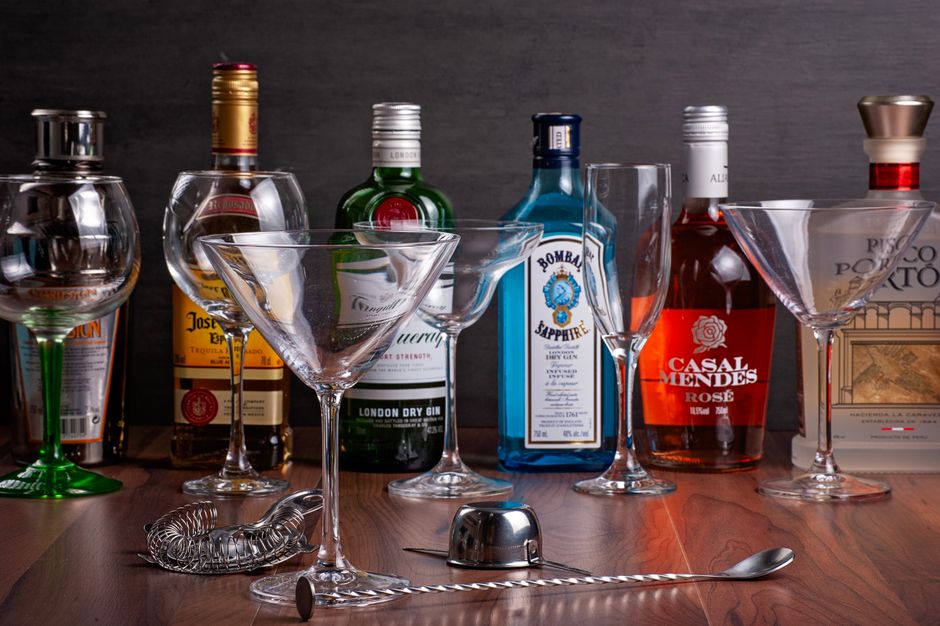 Photo by Marcelo Verfe on Pexels
Let's see how sake's calorie content compares to other alcoholic beverages.
Beer (5%) is relatively low at approximately 40kcal per 100ml, but a 500ml tall can contains about 200kcal. Wine (12%) is about 75kcal per 100ml, with one glass (120ml) being about 90kcal, and a full bottle (750ml) around 560kcal.
Shōchū (焼酎) (25%) is approximately 140kcal per 100ml, and a highball (5%) is about 50kcal per 100ml. Distilled spirits are sugar-free, but their higher alcohol content results in a higher calorie count.
When compared per 100ml, sake falls into the mid-range. However, since the serving size per drink is often smaller, the actual calorie intake varies depending on how it's consumed.
Sake's Carbohydrate Content
 Photo by Mustafa Akın on Pexels
Along with calories, carbohydrate content is another concern.
Sake's carbohydrate content is approximately 3.6-4.5g per 100ml, amounting to about 8g for one go (180ml). For those mindful of carbohydrate restriction, this amount can sometimes be an issue.
Sake Claiming "Zero Carbs"
In recent years, sake claiming "zero carbs" has also appeared. These are made using a method that promotes fermentation to break down sugars as much as possible, resulting in a crisp, dry flavor. Products are sold by major sake breweries (酒蔵) like Gekkeikan and Hakutsuru, and are popular among health-conscious consumers.
However, even with zero carbs, there are still calories derived from alcohol, so it's important to be careful not to overdrink.
Reasons Why Sake Might Lead to Weight Gain
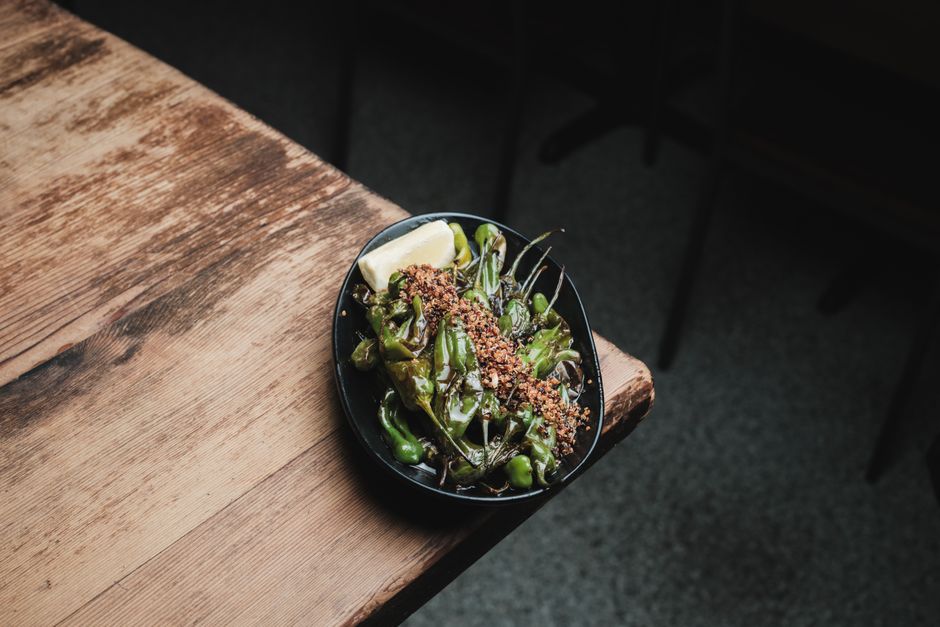 Photo by Airam Dato-on on Pexels
The main reasons why sake is said to be fattening lie in its carbohydrate content and the dishes consumed alongside it.
Since sake contains carbohydrates, it can be less suitable for those on a carbohydrate-restricted diet. Additionally, sake is often paired with Japanese cuisine (和食) or richly flavored dishes, which tends to increase the overall calorie intake of the meal.
Furthermore, alcohol has an appetite-stimulating effect, which often leads to consuming more snacks or appetizers. In many cases, the calories from accompanying food contribute more to weight gain than the calories from the alcohol itself.
How to Drink Sake to Minimize Weight Gain
 Photo by
 To enjoy sake while keeping calorie intake in check, it's effective to be mindful of how you drink it.
Stick to Moderate Amounts
A guideline for healthy drinking is about one go (180ml) per day. Within this range, both calories and carbohydrates are easier to control, and it won't affect you the next day.
Drink Water Alongside Sake
When drinking sake, it's recommended to drink an equal amount of water (Yarawagi-mizu, or "chaser water") alongside it. This dilutes the alcohol concentration and helps prevent over-drinking and dehydration.
Choose Low-Calorie Snacks
Choosing low-calorie, nutritious snacks like sashimi, edamame, hiyayakko (chilled tofu), or sunomono (vinegared dishes) can help reduce overall calorie intake. It's best to limit fried foods and richly flavored snacks.
Choose Zero-Carb Sake
For those concerned about carbohydrates, choosing zero-carb sake is another option. Since both calories and carbohydrates are reduced compared to regular sake, you can enjoy it with peace of mind even while dieting.
Summary
 Photo by Miguel González on Pexels
Sake's calorie content is approximately 105kcal per 100ml, or about 190kcal per one go, placing it in the mid-range among alcoholic beverages. While differences between types are small, Genshu (原酒) has a higher alcohol content and thus a slightly higher calorie count.
The primary reasons for weight gain from sake are more influenced by its carbohydrate content and accompanying meals than by its calories alone. By sticking to moderate amounts, drinking water alongside it, and choosing low-calorie snacks, you can enjoy sake even while dieting. Utilizing zero-carb sake is also an effective option.
Frequently Asked Questions
Q日本酒のカロリーはどのくらいですか?一合あたりの目安も教えてください。
日本酒のカロリーは100mlあたり約105kcalです。一合(180ml)に換算すると約190kcalとなり、ご飯一膳(150g、約240kcal)よりもやや低い計算になります。このカロリーは主にアルコールと米由来の糖質によるものです。
Q純米酒や本醸造酒など、日本酒の種類でカロリーは変わりますか?
日本酒の種類によってカロリーに微妙な違いがあります。純米酒や吟醸酒は100mlあたり約103〜105kcal、本醸造酒は約107kcalです。加水していない原酒はアルコール度数が高いため、約120〜130kcalと他の種類より高めになります。
Q日本酒は太りやすいと言われるのはなぜですか?太りにくい飲み方はありますか?
日本酒が太りやすいとされる主な理由は、糖質を含むことと、一緒に食べる和食やおつまみのカロリーが高い傾向にあるためです。太りにくい飲み方としては、1日一合程度の適量を守り、和らぎ水を飲み、刺身や枝豆などの低カロリーなおつまみを選ぶことが効果的です。
Q日本酒の糖質量はどのくらいですか?糖質ゼロの日本酒もありますか?
日本酒の糖質は100mlあたり約3.6〜4.5gで、一合(180ml)では約8gです。近年では、発酵を進めて糖分を最大限分解した「糖質ゼロ」を謳う日本酒も登場しており、すっきりとした辛口が特徴で、健康志向の方にも選ばれています。


