What is Nigorizake? Definition, Differences from Doburoku, and How to Drink It
Cloudy Nigori sake stands out from clear varieties, sparking curiosity. We'll cover its definition, making, Doburoku differences, and how to best enjoy it.

よつば
May 2, 2026
Nigorizake (にごり酒) is characterized by its cloudy white appearance. Many people are likely intrigued by its distinct look, which differs from the clear sake they usually drink. This article will provide a detailed explanation of Nigorizake's definition, production method, differences from Doburoku, recommended ways to drink it, and how to choose one.
Definition of Nigorizake
 Photo by Matthew Jesús on Pexels
Nigorizake refers to Japanese sake that is cloudy white, having been filtered only coarsely through a rough cloth, leaving behind some moromi (醪), or sake mash. Because rice grains and koji (malt rice) components remain in the liquid, it takes on its distinctive cloudy appearance.
Under the Liquor Tax Act, Nigorizake is classified as seishu (清酒), or refined sake, and meets the definition of seishu because it undergoes a "filtering" process during production. Like regular Japanese sake, it is brewed within the regulations of the Liquor Tax Act.
Differences from Clear Sake
Regular Japanese sake is carefully filtered using fine-mesh cloth or machinery to remove all solid components of rice and koji, resulting in a clear finish. Nigorizake, on the other hand, is coarsely filtered, so solid components remain when it is bottled.
This difference in production method creates a significant difference in taste. Nigorizake is characterized by strong sweetness and umami derived from rice, with a rich and creamy mouthfeel.
Differences Between Nigorizake and Doburoku
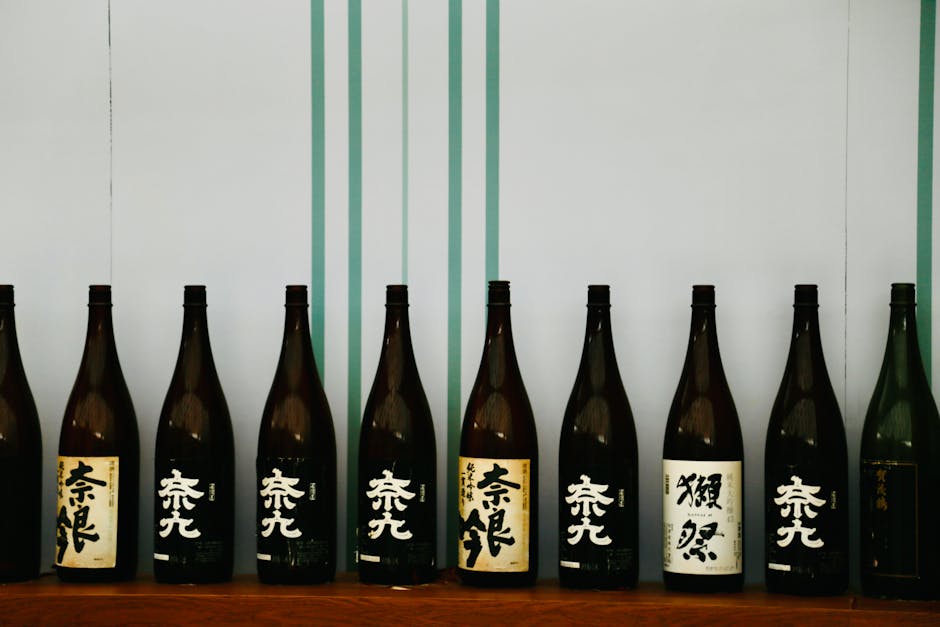 Photo by
 Doburoku (どぶろく) is often confused with Nigorizake. While both have a similar appearance, their legal classifications differ.
Doburoku is sake that has not been filtered at all, and under the Liquor Tax Act, it is classified as "other brewed alcoholic beverages." Since it does not undergo the "filtering" process, which is part of the definition of seishu, it belongs to a different category of sake than Nigorizake.
The difference is that Nigorizake is seishu, while Doburoku is classified as "other brewed alcoholic beverages," requiring different licenses for their production. In terms of taste, Nigorizake tends to be slightly clearer, while Doburoku is richer and has a stronger rice grain texture.
Types of Nigorizake
 Photo by Iban Lopez Luna on Pexels
There are several types of Nigorizake. Understanding the characteristics of each will make it easier to find one that suits your taste.
Kassei Nigorizake (活性にごり酒)
Kassei Nigorizake is a "living" Nigorizake where fermentation continues inside the bottle. Because carbon dioxide gas is generated within the bottle, you can enjoy a lively effervescence when opened.
It can sometimes gush out vigorously when opened, so it's essential to store it upright in the refrigerator and open it slowly. It offers a unique taste that combines the refreshing quality of champagne with the richness of Nigorizake.
Hiire Nigorizake (火入れにごり酒)
Hiire Nigorizake is Nigorizake whose fermentation has been stopped by heat treatment (pasteurization). While it lacks effervescence, it is characterized by a stable flavor and excellent shelf life.
It offers a rich sweetness and mellow mouthfeel, making it an easy-to-drink type for Nigorizake beginners.
Origarami (おりがらみ)
Origarami is a type of sake that is even more lightly cloudy than Nigorizake. It contains a small amount of fine solid particles called ori (澱), or lees, giving it an appearance that is intermediate between clear sake and Nigorizake. It offers a clean finish with a subtle hint of rice umami.
Delicious Ways to Drink Nigorizake
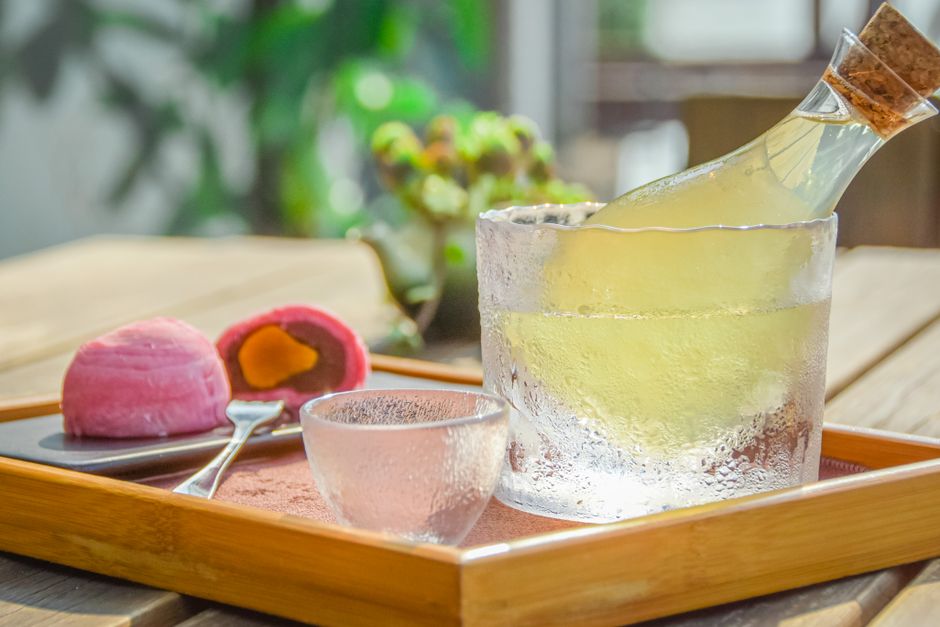 Photo by
 To fully bring out the charm of Nigorizake, you'll want to pay attention to how you drink it.
Serve Chilled
When Nigorizake is thoroughly chilled in the refrigerator, its sweetness and richness become more refined. The basic recommendation is to chill it to about 5 to 10 degrees Celsius, and the beauty of the white liquid as it's poured into a glass or choko (猪口), a small sake cup, is also part of the enjoyment.
Before drinking, gently swirl the bottle to evenly distribute any settled rice components, which will result in a richer flavor.
Refreshing with Soda
Mixing Nigorizake with soda or sparkling water creates a refreshing, dessert-like drink. A 1:1 ratio is recommended, and a squeeze of lemon or lime will further enhance the refreshing sensation.
On the Rocks for a Leisurely Sip
Serving it on the rocks, poured over ice in a glass, is also recommended. As the ice melts, the flavor changes, allowing you to enjoy it without getting bored. It's also suitable for those who prefer to gradually dilute the alcohol content as they drink.
Dishes that Pair Well with Nigorizake
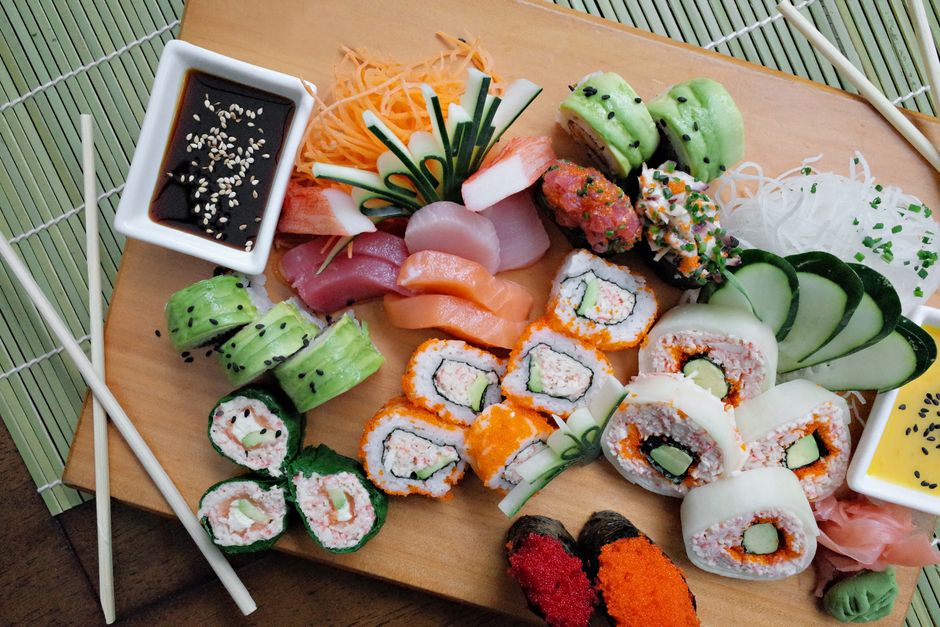 Photo by DΛVΞ GΛRCIΛ on Pexels
Because Nigorizake has strong sweetness and umami, it pairs well with salty or acidic dishes.
Pairing it with salty delicacies like shiokara (salted squid guts) or mentaiko (spicy pollock roe), or acidic appetizers such as sunomono (vinegared dishes) or marinades, enhances Nigorizake's sweetness. It also goes well with Western ingredients like cheese and prosciutto, allowing for versatile pairings with both Japanese and Western cuisine.
Drinking it with fruits or ice cream as a dessert is also popular, and it's recommended as an after-dinner drink.
How to Choose Nigorizake
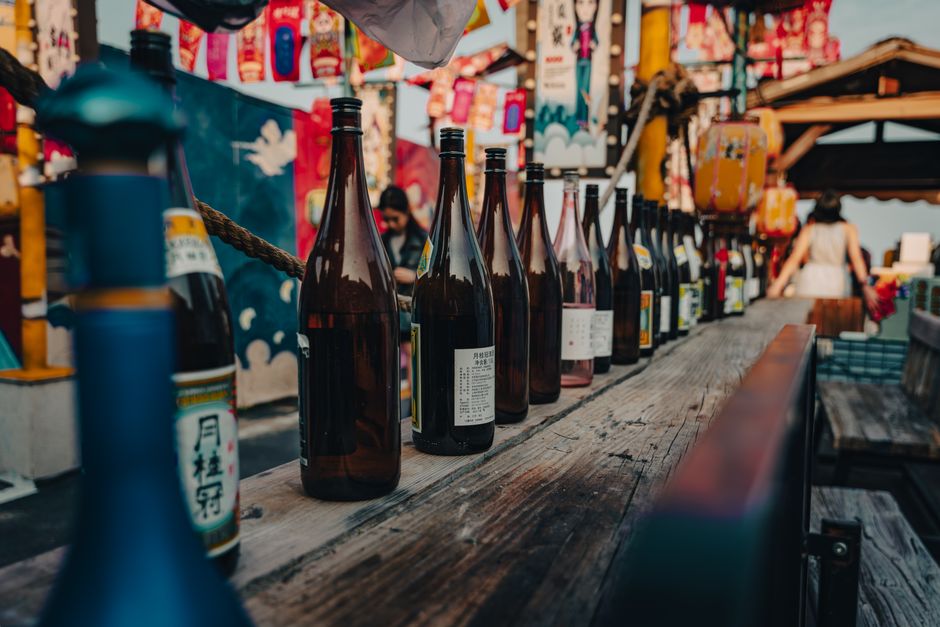 Photo by ZhiCheng Zhang on Pexels
If you're unsure how to choose Nigorizake, consider the following points.
If you're looking for a refreshing Nigorizake with effervescence, Kassei Nigorizake is recommended. If you prefer a stable flavor, opt for Hiire Nigorizake. For beginners, the easy-to-drink Origarami is a good choice.
Popular regions and brands known for Nigorizake include "Tsuki no Katsura" (Kyoto), "Yoemon," and "Hououbiden" (Tochigi). Since the intensity of sweetness and balance of acidity vary by sake brewery (蔵元), trying several to find your preference can be an enjoyable experience.
Summary
 Photo by
 Nigorizake is a cloudy white Japanese sake that retains rice components by being coarsely filtered, offering a rich sweetness and creamy mouthfeel. Legally, it is classified as seishu and belongs to a different category of alcoholic beverage than Doburoku.
There are types such as Kassei Nigorizake, Hiire Nigorizake, and Origarami, and it can be enjoyed in various ways, including chilled, mixed with soda, or on the rocks. If you want to try a taste different from regular Japanese sake, be sure to find your favorite Nigorizake.
Frequently Asked Questions
Qにごり酒とはどんな日本酒ですか?特徴や定義を教えてください。
にごり酒は、醪を粗い布で濾しただけで、米の粒や麹の成分が液中に残る白く濁った日本酒です。酒税法上は「清酒」に分類され、通常の日本酒と異なり固形分が残るため、ふくよかな甘味とクリーミーな口当たりが特徴です。
Qにごり酒とどぶろくの違いは何ですか?法律上の分類も教えてください。
にごり酒とどぶろくは見た目が似ていますが、法律上の分類が異なります。にごり酒は醪を粗く濾した「清酒」である一方、どぶろくは醪を一切濾していない「その他の醸造酒」です。このため、製造に必要な免許も異なり、味わいもにごり酒の方がやや澄んでいる傾向があります。
Qにごり酒にはどんな種類がありますか?それぞれの特徴を教えてください。
にごり酒には主に3種類あります。活性にごり酒は瓶内で発酵が続くため発泡感があり、開栓時に注意が必要です。火入れにごり酒は加熱処理で発酵を止め、安定した味わいと高い保存性が特徴です。おりがらみはにごり酒より薄く濁り、すっきりとした飲み口で米の旨味がほんのり感じられます。
Qにごり酒のおすすめの飲み方や楽しみ方を教えてください。
にごり酒は、冷蔵庫で5~10度程度にしっかりと冷やして飲むのが基本です。飲む前に瓶を軽く回して米成分を均一にすると、より豊かな味わいが楽しめます。また、ソーダや炭酸水で割って爽やかに飲んだり、氷を入れたロックスタイルでゆっくりと味わいの変化を楽しむのもおすすめです。
Qにごり酒に合う料理や食べ物の組み合わせを教えてください。
にごり酒は甘味と旨味が強いため、塩辛や明太子のような塩気のある珍味や、酢の物、マリネといった酸味のある料理と相性が良いです。チーズや生ハムなどの洋食材とも好相性で、和洋問わず楽しめます。また、フルーツやアイスクリームと合わせてデザートとして楽しむ飲み方も人気です。


