Namazake: How to Pronounce It, Definition, Differences from Namachozoshu, and How to Enjoy
Ever seen "Namazake" on a sake label and wondered how to pronounce it? "Namazake," "Namasake"—which is correct? We'll clarify its pronunciation, definition, and more.

よつば
May 2, 2026
Have you ever seen the characters "生酒" on a sake label and wondered how to read them? While several readings exist, such as "namazake" or "namasake," which one is correct? This article will thoroughly explain the reading of Namazake (生酒), its definition, the differences between Nama-chozo-shu (生貯蔵酒) and Nama-zume-shu (生詰め酒), and recommended ways to enjoy it.
"Namazake" is the Common Reading for 生酒
 Photo by Matthew Jesús on Pexels
The most common reading for 生酒 is "namazake." While it can also be read as "namasake" or "kizake," "namazake" with the voiced consonant sound is the predominant reading in the sake industry.
There are many instances where the kanji for "sake" (酒) is read with a voiced "zake" sound, following the same pattern as terms like Amazake (甘酒, sweet sake), Shirozake (白酒, white sake), and Reishu/Hiyazake (冷酒, cold sake).
Cases Where It's Read as "Kizake"
In some literature and older notations, it may be read as "kizake." This is because the character "生" can be read as "ki" (kun-yomi, a Japanese reading of a kanji), following the same pattern as words like Ki-ippon (生一本, pure brew).
However, "namazake" is well-established in the modern sake industry, so you can confidently pronounce it as "namazake" when ordering or in conversation.
What is Namazake?
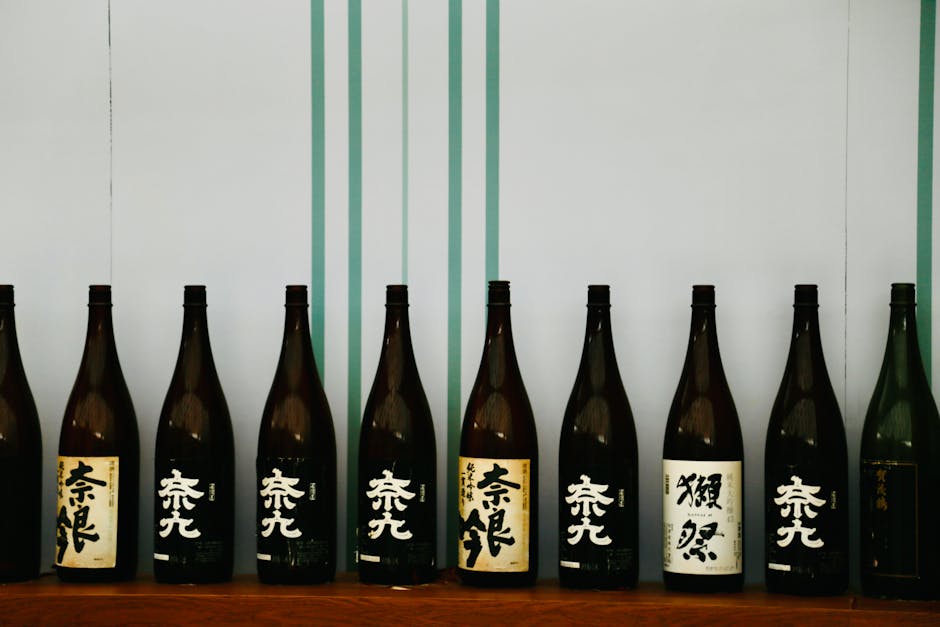 Photo by
 Namazake refers to sake that has not undergone any pasteurization, known as hi-ire (火入れ). Regular sake is typically pasteurized twice—once before storage and once before shipping—at temperatures around 60-65 degrees Celsius. Namazake skips this process entirely.
By not pasteurizing, the vibrant aroma and flavor of freshly pressed sake are bottled as-is, allowing you to enjoy a fresh and lively taste, which is its greatest characteristic.
Characteristics of Namazake's Flavor
Compared to regular sake, Namazake has a stronger, fruitier, and more refreshing aroma. When you taste it, you might even feel a slight effervescence or "fizz." This is due to the subtle carbon dioxide gas remaining from fermentation, which is one of the elements that creates Namazake's unique freshness.
Furthermore, because enzymes and microorganisms are still alive, the flavor of Namazake can change over time, which is another aspect to enjoy. Even when refrigerated, the flavor may evolve a few days after opening.
Differences Between Namazake, Nama-chozo-shu, and Nama-zume-shu
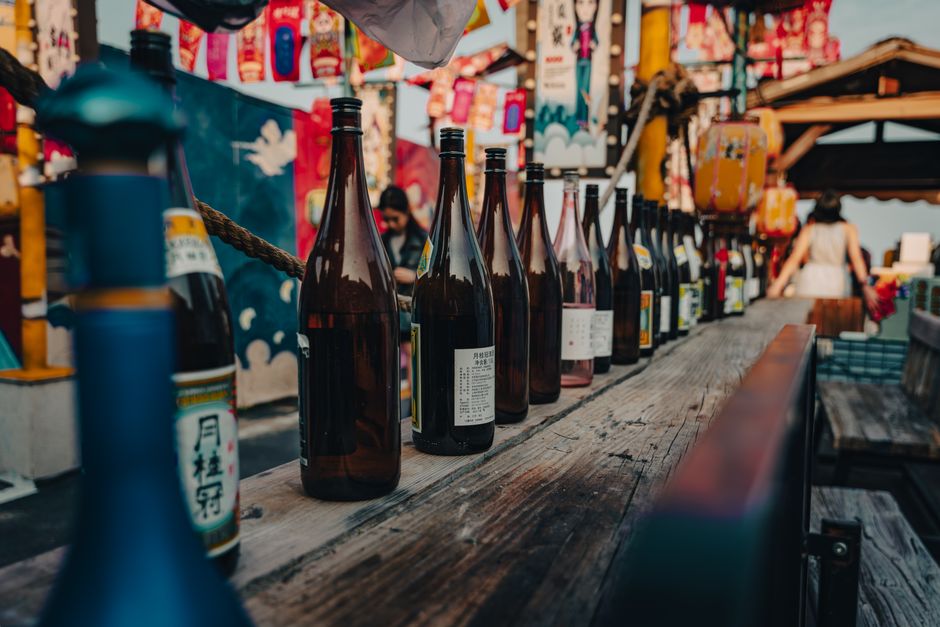 Photo by ZhiCheng Zhang on Pexels
Besides Namazake, there are other types of sake with "nama" in their names: Nama-chozo-shu and Nama-zume-shu. Let's clarify the differences between them.
Namazake (生酒)
This is sake that has not undergone any pasteurization (hi-ire). Since it undergoes no heat treatment from pressing to bottling, both enzymes and yeast are shipped in a living state. It offers the freshest and most delicate flavor, but it has low shelf stability and requires refrigeration.
Nama-chozo-shu (生貯蔵酒)
This type of sake is not pasteurized during storage but undergoes pasteurization (hi-ire) only once, just before shipping. While retaining the freshness of raw sake during storage, the pasteurization before shipping stabilizes its quality, making it more shelf-stable and easier to handle than Namazake.
Its flavor offers a freshness similar to Namazake, but with a balanced and stable quality that makes it enjoyable.
Nama-zume-shu (生詰め酒)
This sake is pasteurized once before storage but not before bottling. Many sakes shipped in autumn, known as Hiyaoroshi (ひやおろし) or Akiagari (秋上がり), fall into this category.
It is characterized by a mellow flavor that balances the umami developed through summer aging with the fresh, raw quality at the time of bottling.
How to Store Namazake
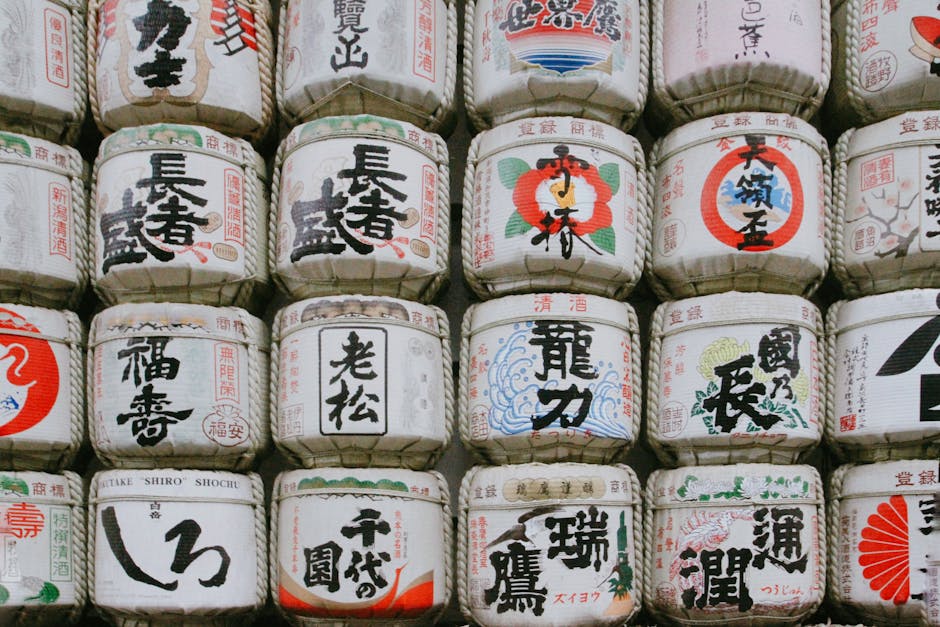 Photo by
 Namazake requires even more delicate storage than regular sake.
Always Refrigerate
Refrigeration is an absolute must for Namazake. If left at room temperature, the activity of enzymes and yeast will rapidly alter its flavor, leading to deterioration. You should place it in the refrigerator immediately after purchase and keep it refrigerated continuously.
An ideal refrigerator temperature is 5 degrees Celsius (41 degrees Fahrenheit) or below. It's best to store it in the back of the refrigerator or in the vegetable drawer, where temperature fluctuations are minimal.
Consume Quickly After Opening
Ideally, Namazake should be consumed within 3 days to a week after opening. Once opened, exposure to air accelerates oxidation, and the living enzymes will cause its flavor to change daily.
It's a smart choice to purchase sizes that you can finish, such as a shigo-bin (四合瓶, 720ml bottle) or a 300ml small bottle.
Store Upright
Store Namazake bottles upright. If stored horizontally, the cap and liquid will be in contact for extended periods, which can lead to quality deterioration or contamination by bacteria.
Delicious Ways to Enjoy Namazake
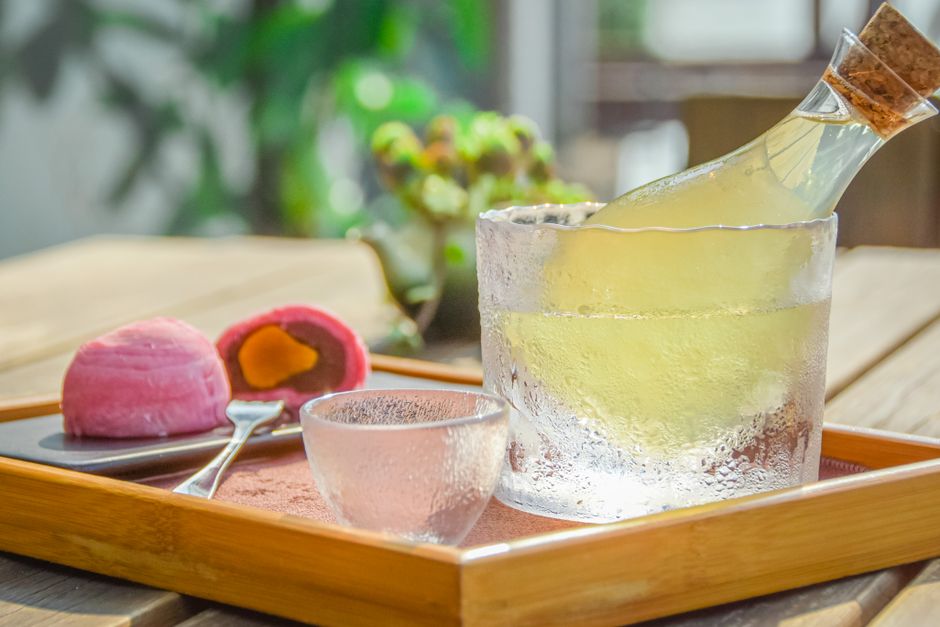 Photo by
 To fully appreciate the fresh charm of Namazake, you'll want to pay attention to how you drink it.
Serve Well Chilled
Chilling Namazake thoroughly to about 5-10 degrees Celsius (41-50 degrees Fahrenheit) enhances its fresh aroma and crisp taste. Its flavor tends to break down at room temperature, and it is generally not suitable for Kanzake (燗酒, warm sake).
Chilling your glasses or choko (猪口, small sake cups) in the refrigerator beforehand will further enhance the refreshing sensation.
Enjoy in a Wine Glass
To fully savor Namazake's elegant aroma, a wide-mouthed wine glass is recommended. It allows the fragrance to rise more easily than a typical choko, letting you fully appreciate its fruity aromas.
Enjoy as an Aperitif
With its refreshing taste, Namazake is perfect as an aperitif. It stimulates the appetite and builds anticipation for the meal to come.
Dishes That Pair Well with Namazake
 Photo by Valeria Boltneva on Pexels
Choosing dishes that enhance Namazake's freshness will make for a more satisfying drinking experience.
It pairs exceptionally well with raw fish like sashimi and sushi, especially white fish and shellfish. Simple dishes that highlight the natural flavors of ingredients, such as salt-grilled fish, other grilled fish, or fresh vegetable salads, won't overpower Namazake's delicate profile.
Conversely, strongly flavored stews or heavily spiced dishes tend to mask Namazake's freshness, so it's best to pair them sparingly.
How to Choose Namazake
 Photo by Iban Lopez Luna on Pexels
Keeping these tips in mind when choosing Namazake will help you find a bottle you'll love.
A characteristic of Namazake is its abundance of seasonal limited editions, especially during the "shinshu" (新酒, new sake) and "shiboritate" (しぼりたて, freshly pressed sake) season from winter to spring. In autumn, there are seasonal delights like "hiyaoroshi."
Choosing by brewery (kuramoto, 蔵元) or region is also recommended. Breweries in colder climates like Niigata and Yamagata prefectures excel at delicate and clear Namazake. Breweries in Yamaguchi and Hiroshima prefectures often produce more aromatic and fruity Namazake.
The price range for a shigo-bin (720ml bottle) typically centers around 1,500 to 3,000 yen, making it a popular choice for gifts or special occasions.
Summary
 Photo by Miguel González on Pexels
The common reading for 生酒 is "namazake," and it refers to fresh sake that has not undergone any pasteurization (hi-ire). It differs from Nama-chozo-shu and Nama-zume-shu in the number and timing of pasteurization steps, with each type offering its own distinct appeal.
While it is a delicate sake with low shelf stability that requires refrigeration, it offers the vibrant aroma and flavor of freshly pressed sake. Be sure to try enjoying its freshness by chilling it well and serving it in a wine glass, or by pairing it with sashimi and white fish.
Frequently Asked Questions
Q生酒の正しい読み方は何ですか?「なまざけ」「なまさけ」「きざけ」どれが一般的ですか?
生酒の読み方は「なまざけ」が最も一般的で、日本酒業界では濁音で読むのが主流です。「なまさけ」や「きざけ」と読むこともありますが、現代では「なまざけ」と発音すれば問題ありません。これは「甘酒」や「白酒」などと同じ読み方のパターンです。
Q日本酒の「生酒」とは具体的にどのようなお酒ですか?味わいの特徴も教えてください。
生酒とは、火入れ(加熱殺菌)を一切行っていない日本酒のことです。絞りたての鮮烈な香りやフレッシュで生き生きとした風味が特徴で、フルーティーで爽やかな香りが強く、ピリッとしたガス感を感じることもあります。酵素や微生物が生きているため、時間とともに味わいが変化するのも魅力です。
Q生酒、生貯蔵酒、生詰め酒のそれぞれの違いは何ですか?火入れの回数やタイミングについて教えてください。
生酒は火入れを全く行わず、最もフレッシュです。生貯蔵酒は貯蔵中は火入れせず出荷前に1回、生詰め酒は貯蔵前に1回火入れし瓶詰め前はしません。火入れの回数とタイミングが異なるため、それぞれ異なる風味と保存性があり、生酒が最もデリケートです。
Q生酒を美味しく楽しむための適切な保存方法と、開封後の注意点を教えてください。
生酒は必ず冷蔵庫で5度以下に冷蔵保存し、立てて保管することが絶対条件です。常温保存は劣化を早めます。開封後は空気に触れて酸化が進むため、3日〜1週間以内に飲み切るのが理想的です。飲み切れるサイズの小瓶を選ぶのが賢明です。


