The Ultimate Guide to Kubota Sake: Manju, Senju, Hyakuju Differences & Full Lineup Explained
Since 1985, Kubota, Asahi Shuzo's top Niigata sake, has defined "Tanrei Karakuchi" (light & dry). Explore its lineup: Manju, Senju, Hyakuju.

よつば
May 21, 2026
"Kubota," produced by Asahi Shuzo in Niigata Prefecture, is one of the top brands that receives overwhelming support from sake enthusiasts. Since its launch in 1985, it has been known nationwide as a prime example of "Tanrei Karakuchi (淡麗辛口)," or light and dry sake, and has become a classic label for gifts and presents. This article will provide a detailed explanation of Kubota's entire lineup, the differences between Manju, Senju, Hyakuju, how to choose them, and recommended ways to drink them.
Kubota: A Flagship Brand from Niigata's Asahi Shuzo
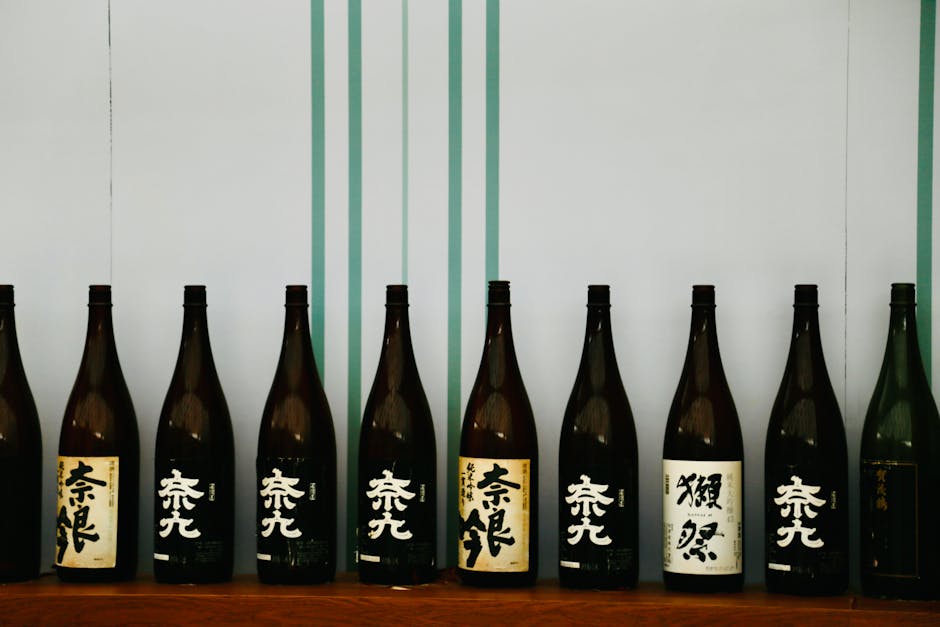 Photo by
 Kubota is a sake brand launched in 1985 by Asahi Shuzo, located in Nagaoka City, Niigata Prefecture. Developed by the second-generation kuramoto (brewery owner) Toru Hirasawa at the time, with the aim of improving sake quality, it is widely recognized as a representative label of Niigata sake.
The Brand Concept: Tanrei Karakuchi
Kubota's brand concept is Tanrei Karakuchi, which is synonymous with Niigata sake. It is characterized by minimal off-flavors, a crisp finish that leverages the umami of rice, and an exquisite balance that enhances the flavors of food.
Sake brewing is carried out utilizing Niigata's climate and natural features, primarily using meltwater from Niigata Prefecture, specifically "subsoil water from the Ikarashi River basin," and the sake-brewing rice (酒造好適米) variety "Gohyakumangoku."
Asahi Shuzo's Commitment
Asahi Shuzo is a long-established brewery founded in 1830 (Tenpo 1), boasting a history of approximately 200 years. They contract-cultivate their own rice and continue to produce fine sake, including Kubota, under thorough quality control.
Kubota's Full Lineup
 Photo by Matthew Jesús on Pexels
Kubota offers multiple grades, each with its own unique character. We will introduce the representative lineup in order of price range. To understand these lineups, it's helpful to know what Ginjo sake (吟醸酒) is.
Kubota Manju | Highest Grade Junmai Daiginjo
Manju is a Junmai Daiginjo sake (純米大吟醸酒) that stands at the pinnacle of the Kubota lineup. Junmai Daiginjo (純米大吟醸) is characterized by the use of rice polished to a rice polishing ratio (精米歩合) of 50% or less, resulting in a refined aroma, profound richness, and a long finish.
Priced from around 4,500 yen for a 720ml bottle (四合瓶) and approximately 9,000 yen for a 1.8L bottle (一升瓶), it is a premium line and a classic choice for gifts. It offers a soft, profound aroma and a deeply complex flavor.
Kubota Manju Muroka Nama Genshu | Limited Distribution
As a derivative of Manju, a Muroka Nama Genshu (無濾過生原酒) type is also sold in limited quantities. This is a genuine Manju that has undergone no pasteurization (火入れ), dilution (加水), or filtration (濾過), offering a fresh aroma and a juicy, rich flavor profile. The price is around 6,000 yen for a 720ml bottle.
Kubota Manju Jisha Kobo Shikomi | Ultra Premium
This is the highest-grade version, brewed with yeast developed in-house by Asahi Shuzo. It features a rich and layered aroma reminiscent of white peach and muscat grapes, and at approximately 12,705 yen for a 720ml bottle, it is the most expensive line within Kubota.
Kubota Hekiju | Yamahai-jikomi Junmai Daiginjo
Hekiju is a Junmai Daiginjo sake brewed using the Yamahai brewing method (山廃仕込み). With a rice polishing ratio of 50%, the balance of umami and acidity achieved through the traditional Yamahai brewing method creates a profound flavor.
Priced from around 2,794 yen for a 720ml bottle. When served as warm sake (燗酒), the richness unique to Yamahai stands out, so it's recommended to enjoy it at varying temperatures.
Kubota Suiju | Daiginjo Namazake
Suiju is a Daiginjo Namazake (大吟醸生酒), characterized by a fruity aroma reminiscent of apples. Namazake (生酒), being unpasteurized (火入れ), requires refrigeration and offers a fresh...
You may also like

Frequently Asked Questions
Q久保田とはどのような日本酒ブランドですか?
新潟県の朝日酒造が1985年に発売した日本酒ブランドです。新潟酒の代名詞である「淡麗辛口」をコンセプトとし、雑味が少なく、米の旨味を活かしつつキレの良い後味が特徴です。ギフトや贈答品としても人気の高いトップブランドとして、日本酒愛好家から圧倒的な支持を受けています。
Q久保田のブランドコンセプトと特徴を教えてください。
久保田のブランドコンセプトは、新潟酒の代名詞である「淡麗辛口」です。雑味が少なく、米の旨味を活かしながらもキレのよい後味が特徴で、料理の味を引き立てる絶妙なバランスを実現しています。新潟県の雪解け水「五百川流域の伏流水」と酒造好適米「五百万石」を中心に使い、新潟の気候風土を活かした酒造りが行われています。
Q久保田の最高峰「萬寿」はどんな特徴がありますか?
萬寿は久保田の最高峰に位置する純米大吟醸酒です。精米歩合50%以下の米を使用し、上質な香りと深いコク、長い余韻が特徴です。やわらかで重厚な香りと懐の深い味わいが楽しめ、四合瓶で約4,500円から、一升瓶で9,000円前後と高級ラインで、贈答品としても定番の一本です。
Q久保田 碧寿(へきじゅ)はどのような日本酒ですか?
碧寿は山廃仕込みで造られた純米大吟醸酒です。精米歩合50%で、伝統的な山廃造りによる旨味と酸味のバランスが深い味わいを生み出しています。価格は四合瓶で約2,794円からで、燗酒にすると山廃ならではのコクが際立つため、温度を変えて楽しむのがおすすめです。
Q久保田 翠寿(すいじゅ)の特徴を教えてください。
翠寿は大吟醸の生酒で、リンゴを連想させるフルーティーな香りが特徴です。火入れをしていないため要冷蔵で、フレッシュな味わいが楽しめます。