Junmai Daiginjo Explained: Definition, Features, and How It Differs from Daiginjo
Junmai Daiginjo: the pinnacle, a luxurious gift. But what makes it special? This guide explores its definition, brewing, and how to choose and enjoy it.

よつば
May 2, 2026

Known as the pinnacle of Japanese sake (日本酒), Junmai Daiginjo (純米大吟醸) is a premium beverage often chosen for gifts. But do you know its specific characteristics? This article will thoroughly explain everything from the definition and brewing methods of Junmai Daiginjo to its differences from other sake, how to choose it, and how to enjoy it.
Definition of Junmai Daiginjo
 Photo by Matthew Jesús on Pexels
Junmai Daiginjo refers to sake brewed meticulously using only rice, rice koji, and water as ingredients, with white rice polished to a rice polishing ratio (精米歩合) of 50% or less, and produced using the ginjo-zukuri (吟醸造り) brewing method. Among all types of sake, it is a top-grade "special designation sake" that requires the most effort and time to produce.
What does a rice polishing ratio of 50% or less mean?
The rice polishing ratio (精米歩合) is the percentage of the original brown rice that remains after polishing. A rice polishing ratio of 50% or less means that more than half of the brown rice has been polished away, and less than half of its original size is used for sake brewing.
The outer layers of rice contain proteins and lipids, which can cause undesirable flavors. The lower the rice polishing ratio, the fewer off-flavors, allowing the pure umami and delicate aroma of the rice to shine through.
No Added Brewer's Alcohol is a Condition
As its name "Junmai" (純米) suggests, Junmai Daiginjo is made without any added brewer's alcohol (醸造アルコール), using only rice, rice koji, and water. Its characteristic feature is the clear and unadulterated expression of natural sweetness and umami derived solely from the rice.
How Junmai Daiginjo is Made
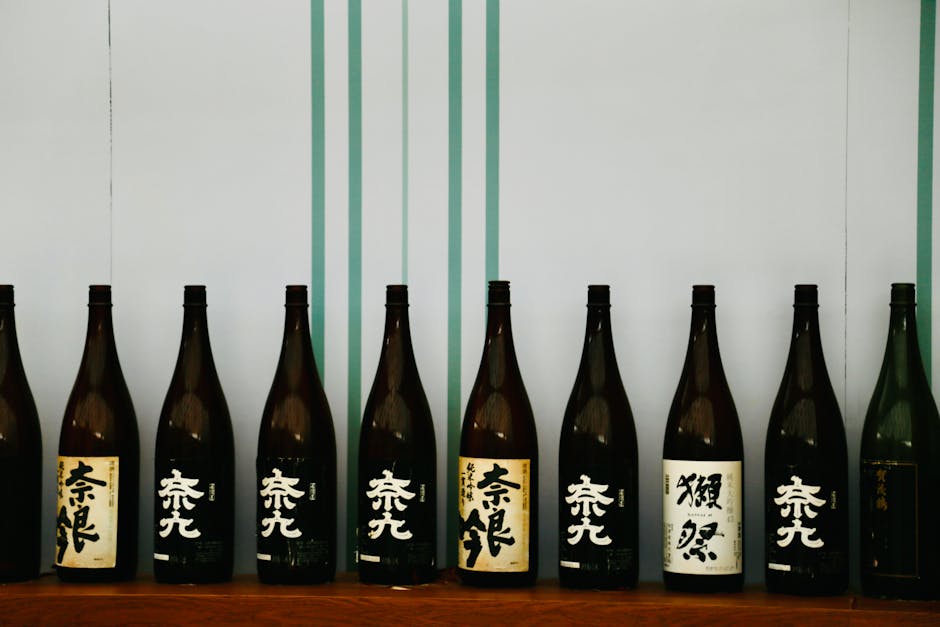 Photo by
 The production of Junmai Daiginjo requires more time and advanced techniques than regular sake.
Ginjo-zukuri (吟醸造り): A Special Brewing Method
Ginjo-zukuri (吟醸造り) is a brewing method that involves fermenting at low temperatures for an extended period. By slowly fermenting at around 10 degrees Celsius (50 degrees Fahrenheit) for over 30 days, a fruity and elegant ginjo aroma (吟醸香) is created.
The ginjo aroma (吟醸香) evokes fruits like apples, melons, and bananas, and is an indispensable element when discussing the appeal of Junmai Daiginjo.
Advanced Rice Polishing Techniques
Polishing rice to a rice polishing ratio of 50% or less requires high-performance polishing machines and skilled techniques. It can take tens to over 100 hours to polish the rice uniformly without cracking it, with each grain being polished like a jewel.
Some breweries (蔵元) even produce Junmai Daiginjo polished to an extreme rice polishing ratio of 35% or 23%, each showcasing its unique character.
Differences Between Junmai Daiginjo and Other Sake
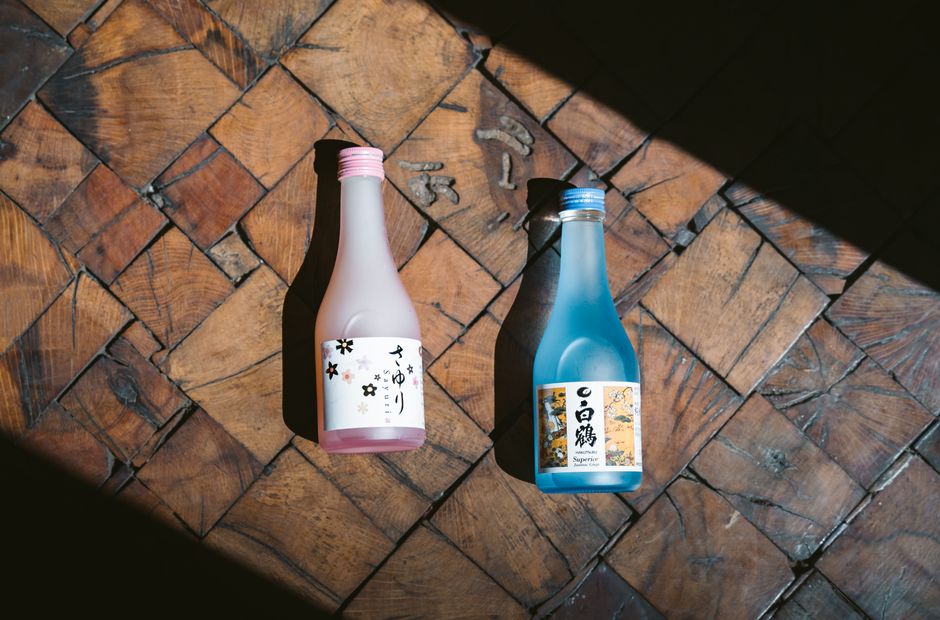 Photo by Miguel González on Pexels
Daiginjo (大吟醸) and Junmai Ginjo (純米吟醸) are types of sake often confused with Junmai Daiginjo. Let's clarify their differences.
Differences from Daiginjo
Daiginjo (大吟醸) is also sake brewed using the ginjo-zukuri method with a rice polishing ratio of 50% or less, but the difference from Junmai Daiginjo lies in the presence or absence of added brewer's alcohol (醸造アルコール). Daiginjo has a small amount of brewer's alcohol added, which tends to make its aroma more fragrant and its taste crisper.
In contrast, because Junmai Daiginjo has no added brewer's alcohol, the umami of the rice is felt more richly.
Differences from Junmai Ginjo
Junmai Ginjo has a rice polishing ratio of 60% or less, while Junmai Daiginjo has a rice polishing ratio of 50% or less. This difference in polishing ratio means that Junmai Daiginjo, with its lower polishing ratio, results in a more delicate flavor with fewer off-notes.
Junmai Daiginjo also tends to be in a higher price range and is often chosen as a special gift or for commemorative occasions.
Representative Brands of Junmai Daiginjo
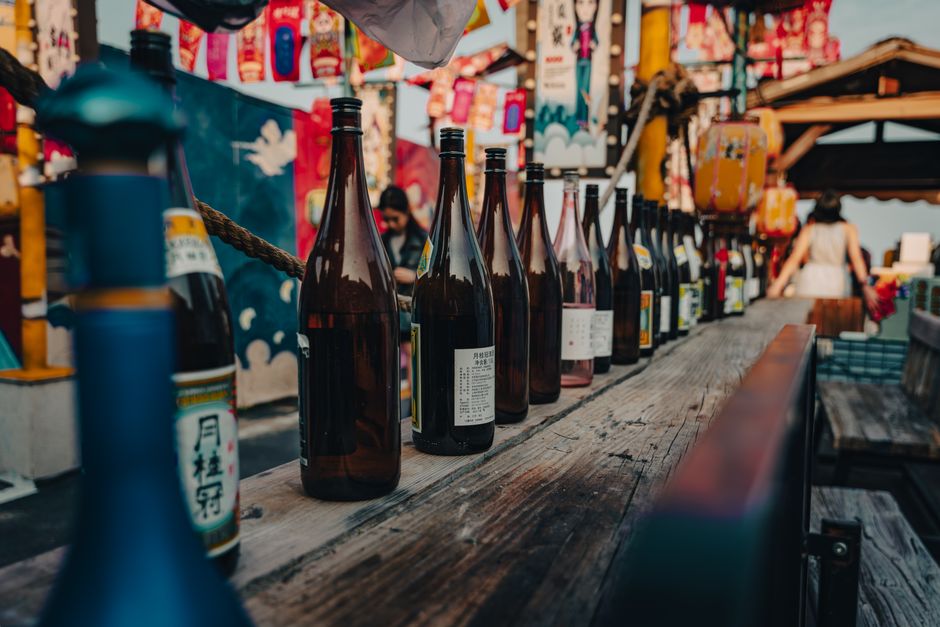 Photo by ZhiCheng Zhang on Pexels
Junmai Daiginjo is produced by breweries (蔵元) across Japan, and each offers unique brands.
"Kubota Manju" from Niigata Prefecture is a prime example of a crisp and dry sake, characterized by its clean finish. "Dassai Junmai Daiginjo Migaki Niwari Sanbu" from Yamaguchi Prefecture is an exquisite product polished to a rice polishing ratio of 23%, offering a fruity and elegant aroma.
"Hakutsuru Shoun" from Hyogo Prefecture, "Hidaka Miyasuke" from Miyagi Prefecture, and "Hakkaisan Junmai Daiginjo" from Niigata Prefecture are also renowned Junmai Daiginjo masterpieces. Prices for a shigobin (四合瓶), a 720ml bottle, range widely from around 3,000 yen to over 10,000 yen, and many people purchase it as a gift.
How to Choose Junmai Daiginjo
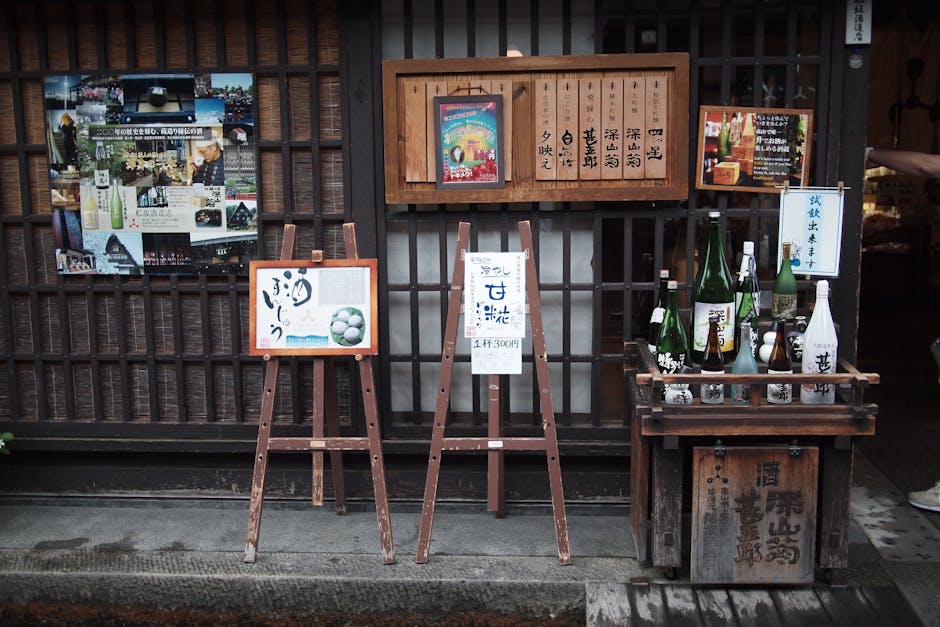 Photo by mingche lee on Pexels
To find your preferred bottle among the many Junmai Daiginjo options, here are a few tips.
Choose by Aroma Type
The appeal of Junmai Daiginjo lies in its elegant ginjo aroma (吟醸香), but the aroma profile varies by brand: some are fruity like apples or melons, some are refined like white flowers, and others are rich like bananas or pears. It's recommended to actually smell the aroma at stores where tasting is available.
Choose by Region and Brewery
Each region has its own flavor tendencies: Niigata Prefecture is known for its crisp and dry (淡麗辛口) style, Yamaguchi Prefecture for its elegant and fruity profile, and Fukushima and Yamagata Prefectures for their soft and delicate sakes. Choosing from breweries (蔵元) in a region that interests you allows you to experience the local character.
Choose by Occasion
For special anniversaries or gifts, opt for a luxurious boxed set. For enjoying at home, a reasonably priced shigobin (四合瓶) might be more suitable. Choose according to the occasion.
How to Enjoy Junmai Daiginjo
 Photo by Yahya Hasan on Pexels
To fully appreciate the delicate aroma and flavor of Junmai Daiginjo, you'll want to pay attention to how you drink it.
When served chilled (冷酒) at around 5 to 10 degrees Celsius (41-50 degrees Fahrenheit), the fruity aroma is enhanced, and you can enjoy a crisp taste. At around 15 degrees Celsius (59 degrees Fahrenheit), closer to room temperature, the rich umami of the rice becomes more pronounced.
Since Junmai Daiginjo is a sake meant to be savored for its aroma, drinking it from a wide-mouthed wine glass is also recommended. The aroma tends to rise more easily than from a typical ochoko (猪口) cup, allowing you to fully enjoy its delicate bouquet.
In terms of food pairing, it goes well with dishes like sashimi, white fish carpaccio, and fruit-based appetizers. Strong-flavored dishes can overpower the delicacy of Junmai Daiginjo, so it's best to pair it with dishes made from simple ingredients.
Summary
 Photo by Hugo Sykes on Pexels
Junmai Daiginjo is a premium Japanese sake made using rice polished to a rice polishing ratio of 50% or less, with only rice, rice koji, and water, and brewed using the ginjo-zukuri method. Its greatest appeal lies in its clear, pure taste and elegant ginjo aroma, making it a popular choice for special occasions and gifts.
By understanding the differences between Junmai Daiginjo, Daiginjo, and Junmai Ginjo, and choosing based on aroma, region, and occasion, you can find a bottle that brings you greater satisfaction. From serving it chilled to enjoying it in a wine glass, we encourage you to experience the profound world of Junmai Daiginjo.
Frequently Asked Questions
Q純米大吟醸とはどのような日本酒ですか?
米・米麹・水のみを原料とし、精米歩合50%以下の白米を吟醸造りで醸造した最高級の特定名称酒です。米の外側の雑味成分を削り、低温で時間をかけて発酵させることで、米本来の旨味と華やかな吟醸香が特徴です。
Q純米大吟醸と大吟醸の違いは何ですか?
両者とも精米歩合50%以下で吟醸造りですが、純米大吟醸は醸造アルコール無添加なのに対し、大吟醸は少量の醸造アルコールを添加します。これにより、純米大吟醸は米の旨味が豊かに、大吟醸は香りがより華やかでスッキリとした飲み口になります。
Q純米大吟醸と純米吟醸の違いは何ですか?
主な違いは精米歩合です。純米大吟醸は精米歩合50%以下ですが、純米吟醸は60%以下と定められています。精米歩合が低い純米大吟醸の方が、より雑味が少なく繊細な味わいに仕上がり、価格も高価になる傾向があります。
Q純米大吟醸の美味しい飲み方や適した温度は?
冷酒として5~10度程度に冷やすと、フルーティーな香りが引き立ち、すっきりとした飲み口を楽しめます。常温に近い15度前後では米の旨味がふくよかに感じられます。口の広いワイングラスで飲むと、繊細なアロマを存分に堪能できます。
Q純米大吟醸の選び方で重視すべきポイントは?
香りのタイプ(果実系、上品系など)、産地や蔵元(新潟の淡麗辛口、山口の華やかフルーティーなど)、そして利用シーン(贈答用か自宅用か)を考慮して選ぶのがおすすめです。試飲できる場合は、実際に香りを確かめるのが良いでしょう。


