Genshu: Definition, Alcohol Content, and What Sets It Apart from Unfiltered Genshu
"Genshu" on sake labels: What is this undiluted sake? High alcohol? What makes it special? We'll define Genshu, its types, and enjoyment.

よつば
May 2, 2026
You might occasionally see the term "Genshu (原酒)" on sake labels. You might wonder, "How is it different from regular sake?" or "Is it true that it has a higher alcohol content?" This article will thoroughly explain everything from the definition and characteristics of Genshu, its alcohol content, the differences between Nama Genshu and Muroka Genshu, and delicious ways to enjoy it.
Definition of Genshu
 Photo by Matthew Jesús on Pexels
Genshu refers to sake that has not undergone any dilution, meaning no water has been added (加水, *kasui*). It is the "undiluted liquid" sake, where no water is added to adjust the alcohol content before bottling, after it has been pressed during the brewing process.
Regular sake, after being pressed, typically has water added to adjust its alcohol content to around 15-16%. This is a common process to make it easier to drink and to stabilize its flavor profile.
Why No Dilution?
By not diluting it, Genshu offers a rich flavor profile with concentrated umami and aroma derived from the rice. The greatest appeal of Genshu is the ability to directly enjoy the full rice flavor, the aroma of koji, and the complex tastes born from fermentation.
Because it's not diluted with water, its flavor profile is distinct, making it popular among those who want to experience the powerful, inherent character of sake.
Alcohol Content of Genshu
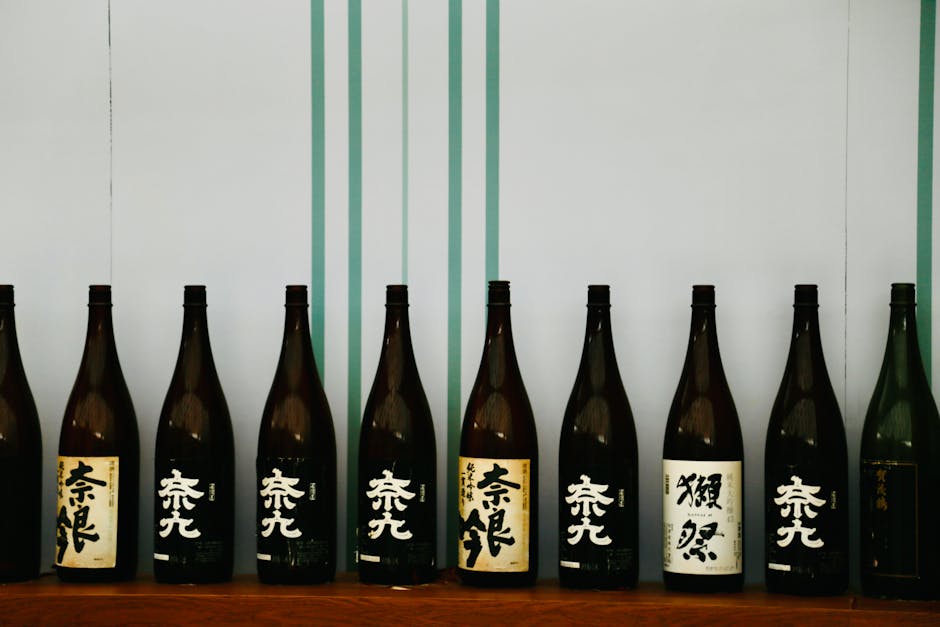 Photo by
 The alcohol content of Genshu is generally set higher, typically ranging from 17% to 20%.
This is several degrees higher than regular sake (around 15%) and closer to the alcohol content of wine or some spirits. Since even a small amount can lead to intoxication quickly, it's important to be mindful of your drinking pace.
How to Check Alcohol Content
The alcohol content is always listed on Genshu labels. You can find specific numbers like "Alcohol 18%" or "20%", so it's recommended to check before purchasing.
Some Genshu varieties even exceed 19% or 20% alcohol, making them popular among those who prioritize a robust drinking experience.
Flavor Characteristics of Genshu
 Photo by
 Since Genshu is undiluted (kasui), you can enjoy a much richer flavor than regular sake.
It offers a condensed sake experience, with a heavy body that highlights the umami and sweetness of the rice, a noticeable alcoholic presence that spreads across the palate, and the lingering aroma of rice koji in the aftertaste.
Even when enjoyed as chilled sake (冷酒, *reishu*), its flavor is robust, and when served warm (燗酒, *kanshu*), the rice umami is further enhanced. Its full body is strong enough to be enjoyed on the rocks with ice, and the versatility in how it can be consumed is another characteristic of Genshu.
Differences Between Genshu, Muroka Genshu, and Nama Genshu
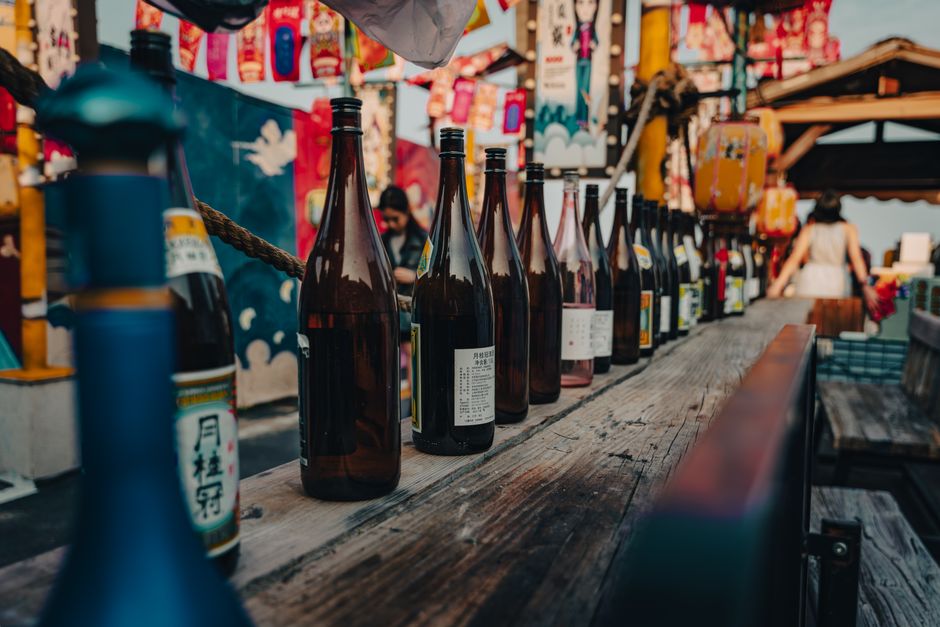 Photo by ZhiCheng Zhang on Pexels
Genshu comes in several variations depending on its brewing method.
Muroka Genshu
Muroka Genshu (無濾過原酒) is sake that skips not only the dilution (kasui) process but also the filtration process. While regular sake is filtered with activated carbon or filter paper to achieve a clear liquid, Muroka Genshu retains its natural color and flavor components.
It is characterized by a slightly yellowish tint and a richer, more complex flavor. It's a distinctive category within Genshu, strongly reflecting the brewer's (蔵元, *kuramoto*) unique approach.
Nama Genshu
Nama Genshu (生原酒) is sake that has undergone neither pasteurization (火入れ, *hiire*) nor dilution (kasui). It is closest to its natural state, offering a luxurious combination of freshly pressed vibrancy and the richness of Genshu.
It requires refrigeration and should be consumed promptly after opening. This type is popular among Genshu enthusiasts for its refreshing effervescence and powerful body.
Muroka Nama Genshu
Muroka Nama Genshu (無濾過生原酒) is sake that has undergone no filtration, no pasteurization (hiire), and no dilution (kasui). It is the most natural and untouched form of sake, maximizing the expression of the brewer's (kuramoto) individuality and the rice's flavor.
It is often sold as a "freshly pressed, limited-edition sake from the brewery" and is cherished as a special, limited-distribution bottle.
Recommended Ways to Enjoy Genshu
 Photo by
 To fully enjoy Genshu's high alcohol content and rich flavor, several drinking methods can be considered.
Enjoy on the Rocks
Due to its high alcohol content, Genshu can be deliciously enjoyed on the rocks with ice. As the ice melts, the flavor changes, allowing you to enjoy it without getting tired of it until the last drop.
Especially during hot summer months, a crisp, chilled Genshu on the rocks is highly recommended.
Savor as Chilled Sake (Reishu)
Chilled sake (reishu) served at 5-15 degrees Celsius allows you to enjoy the balance of Genshu's delicate aroma and rich umami. Sipping slowly from a wine glass or a small sake cup (猪口, *choko*) will let you truly appreciate Genshu's essence.
Bring Out Depth with Warm Sake (Kanshu)
When warmed to 40-50 degrees Celsius as kanshu, the rice umami of Genshu is further enhanced. You can experience a deep flavor different from chilled sake, making it exquisite as warm sake during colder seasons.
Soda Water Mixes Are Surprisingly Delicious
Even when mixed with soda, the rich Genshu retains its robust flavor. Diluting it in a 1:1 to 1:2 ratio creates a refreshing highball-style sake. The alcohol content also drops to a more approachable level, making it recommended for when you want a lighter drink.
Dishes That Pair Well with Genshu
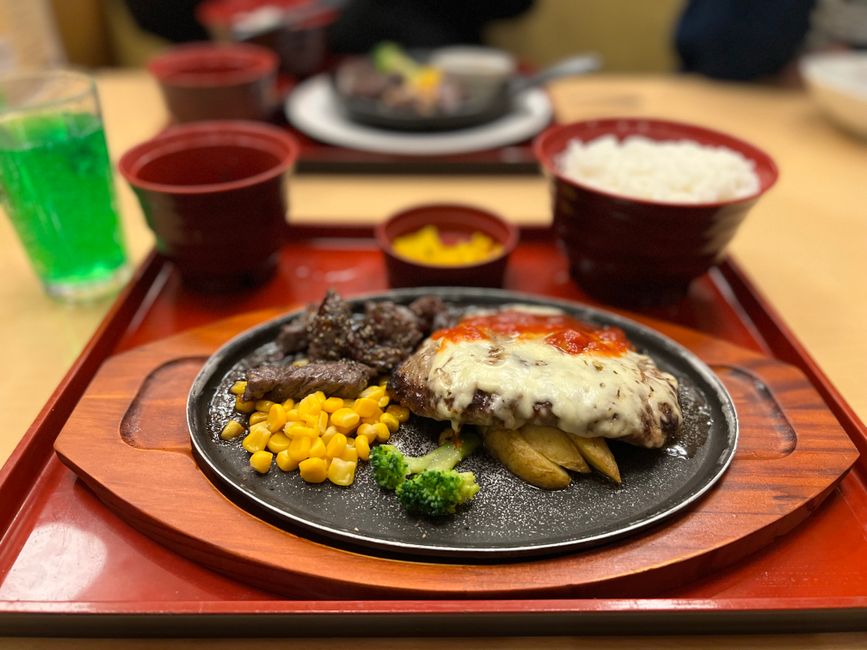 Photo by Christopher Velasquez on Pexels
Choosing hearty dishes that can stand up to Genshu's rich flavor will result in excellent pairings.
It pairs well with strongly flavored Japanese dishes like *nimono* (stewed dishes), *teriyaki*, and miso-based dishes, as well as rich meat dishes like beef or duck. It's also easy to pair with Western ingredients such as cheese and prosciutto, where Genshu's complex flavors enhance the food.
Conversely, with simple dishes like light sashimi or *shioyaki* (salt-grilled fish), Genshu's richness can sometimes overpower the food, so it's best to choose with flavor balance in mind.
How to Choose Genshu
 Photo by mingche lee on Pexels
To find a Genshu that suits your taste among the many available, keeping a few points in mind can be helpful.
Choose by Brewing Method
Understanding the differences in brewing methods—such as regular Genshu, Muroka Genshu, Nama Genshu, and Muroka Nama Genshu—will make it easier to find a bottle that matches your preference. Regular Genshu is recommended for beginners, while Muroka Genshu and Nama Genshu are suggested for those seeking deeper flavors.
Choose by Region and Brewery (Kuramoto)
There are many highly reputed Genshu brands, such as "Hakkaisan Genshu" from Niigata Prefecture, "Juyondai Honmaru" from Yamagata Prefecture, and "Hiroki" from Fukushima Prefecture. Comparing Genshu varieties that reflect the local climate and culture is also an enjoyable experience.
Choose by Season
Many seasonal Genshu varieties are also available, such as "Shiboritate Nama Genshu (しぼりたて生原酒)" from winter to spring, and "Hiyaoroshi Genshu (ひやおろし原酒)" in autumn. It's recommended to find a bottle that can only be enjoyed during a specific season as a seasonal treat.
Summary
 Photo by Alex Gonzo on Pexels
Genshu is sake that has not undergone any dilution (kasui), and its greatest appeal is its rich flavor with an alcohol content of 17-20%. With a powerful mouthfeel that condenses the umami and aroma of rice, you can fully enjoy sake's inherent character.
There are also many variations in brewing methods, such as Muroka Genshu and Nama Genshu, each with its own unique appeal. The versatility of Genshu, allowing it to be enjoyed in various ways like chilled (reishu), on the rocks, warm (kanshu), or mixed with soda, is another characteristic. Since it has a high alcohol content, please enjoy the profound world of Genshu responsibly.
Frequently Asked Questions
Q原酒の定義と特徴は何ですか?
原酒とは、製造工程で加水(水を加える調整)を一切行わない日本酒のことです。通常の日本酒が出荷前に度数調整のため水を加えるのに対し、原酒は絞り出された「原液」のまま。米由来の旨味と香りが凝縮され、日本酒本来の力強い個性がダイレクトに楽しめる濃厚な味わいが最大の魅力です。
Q原酒のアルコール度数はどのくらいですか?
原酒のアルコール度数は、一般的に17〜20%程度と高めに設定されています。これは通常の日本酒(15%前後)よりも数度高く、ワインや一部のスピリッツに近い度数です。購入前にはラベルに記載されている「アルコール分18度」などの具体的な数値を確認することをおすすめします。
Q原酒と無濾過原酒、生原酒の違いは何ですか?
原酒は加水しない日本酒です。無濾過原酒は加水に加えて濾過も省略し、色味や風味成分を残した濃厚で複雑な味わいが特徴です。生原酒は加水と火入れ(加熱殺菌)の両方を行わず、絞りたての鮮烈な味わいと濃厚さを併せ持ちます。さらに、無濾過生原酒は濾過・火入れ・加水全てを行わない最も自然な日本酒です。
Q原酒のおすすめの飲み方を教えてください。
原酒はアルコール度数が高く濃厚なため、多様な飲み方を楽しめます。氷を入れたロックスタイルは夏場に最適で、冷酒では繊細な香りと旨味のバランスを味わえます。燗酒にすると米の旨味が引き立ち、ソーダで割ると爽快感のあるハイボール風になり、アルコール度数も飲みやすくなります。


