Doburoku Explained: Definition, Nigori-zake Differences, and Home Brewing Legality
Long cherished in Japan, Doburoku—a rustic, richly flavored brew—is making a comeback. Its unique character is once again captivating palates.

よつば
May 2, 2026
Doburoku (どぶろく) has been cherished by Japanese people since ancient times. With its rustic appearance and rich flavor, this sake has been gaining attention again in recent years. This article will provide a detailed explanation of Doburoku's definition, history, differences from Nigorizake (にごり酒), laws regarding home brewing, and delicious ways to enjoy it.
Definition of Doburoku
 Photo by Matthew Jesús on Pexels
Doburoku refers to an unfiltered, white fermented alcoholic beverage made by fermenting rice, rice koji (米麹), and water. It is a rustic sake that can be considered the prototype of Japanese sake, characterized by rice grains and koji remaining in the liquid.
In Kanji, it is written as "濁酒" and is also referred to as "Doburoku" or "濁醪". It is believed to have been produced since the Kofun period, giving it a long history as one of Japan's oldest alcoholic beverages.
Legal Classification
Under the Liquor Tax Act (酒税法), Doburoku is classified as "other brewed alcoholic beverages." Since the definition of Japanese sake (Seishu (清酒)) includes the process of "filtering," unfiltered Doburoku does not fall under Seishu.
A separate "other brewed alcoholic beverage manufacturing license" is required, distinct from a Seishu manufacturing license, and the liquor tax rates also differ.
Differences Between Doburoku and Nigorizake
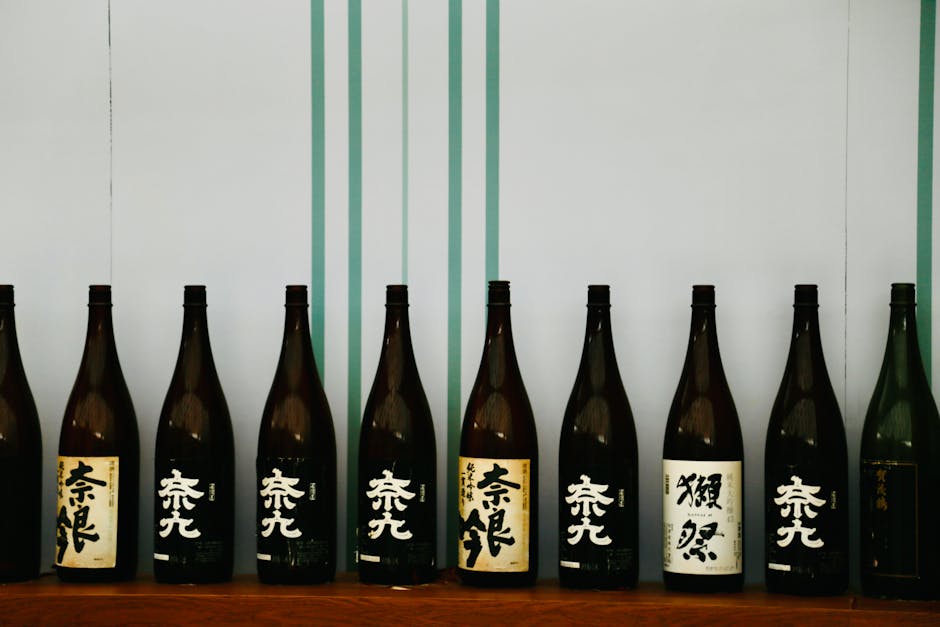 Photo by
 Nigorizake is often confused with Doburoku. While both appear cloudy white, there are clear differences between them.
Nigorizake undergoes a filtering process using a coarse cloth, so it is treated as Seishu under the Liquor Tax Act. Doburoku, on the other hand, does not undergo any filtering process, so rice grains and koji remain as they are, and it is not classified as Seishu.
There are also differences in taste; Nigorizake has a balance between its clear and cloudy parts, while Doburoku has a generally grainy, thick texture. The fermentation and acidity tend to be more pronounced in Doburoku.
History and Culture of Doburoku
 Photo by World Edits on Pexels
Doburoku is an alcoholic beverage deeply intertwined with Japanese history.
Tradition Continuing from Ancient Times
The origin of Doburoku is said to date back to the Kofun period, and it has been offered in Shinto rituals at shrines and at rural festivals. As Omiki (神酒), a sacred sake served at harvest festivals to give thanks for the rice crop, Doburoku held a divine significance.
Even today, there are regions where Doburoku festivals persist, such as Shirakawa-go in Gifu Prefecture and Takachiho in Miyazaki Prefecture. At these festivals, shrines carry out authorized production, and Doburoku is served to worshippers.
Doburoku Special Zone System
In the "Structural Reform Special Zones," commonly known as "Doburoku Special Zones (どぶろく特区)," which began in 2003, farmers, foresters, and fishermen operating guesthouses or farm restaurants were permitted to produce and sell Doburoku.
This system has led to Doburoku being produced in special zones nationwide as part of regional revitalization, increasing valuable opportunities for tourists to drink it locally.
Home Brewing Doburoku is Illegal
 Photo by kazuyoshi sakamoto on Pexels
Some might think, "I'd like to try making Doburoku at home," but home brewing is prohibited by law in Japan.
Provisions of the Liquor Tax Act
The Liquor Tax Act stipulates that a manufacturing license is required for producing alcoholic beverages, and production in general households without a license is illegal. Manufacturing beverages with an alcohol content of 1% or higher without permission is subject to punishment as a violation of the Liquor Tax Act.
Not only is it prohibited to sell or provide homemade alcoholic beverages to others, but the act of manufacturing itself is forbidden, even for personal consumption.
Differences from Overseas
In some countries, such as the United States and parts of Europe, home brewing for personal consumption is permitted. Japan's regulations are considered somewhat strict globally, a system that originated after the war to secure liquor tax revenue and continues to be maintained today.
Types and Characteristics of Doburoku
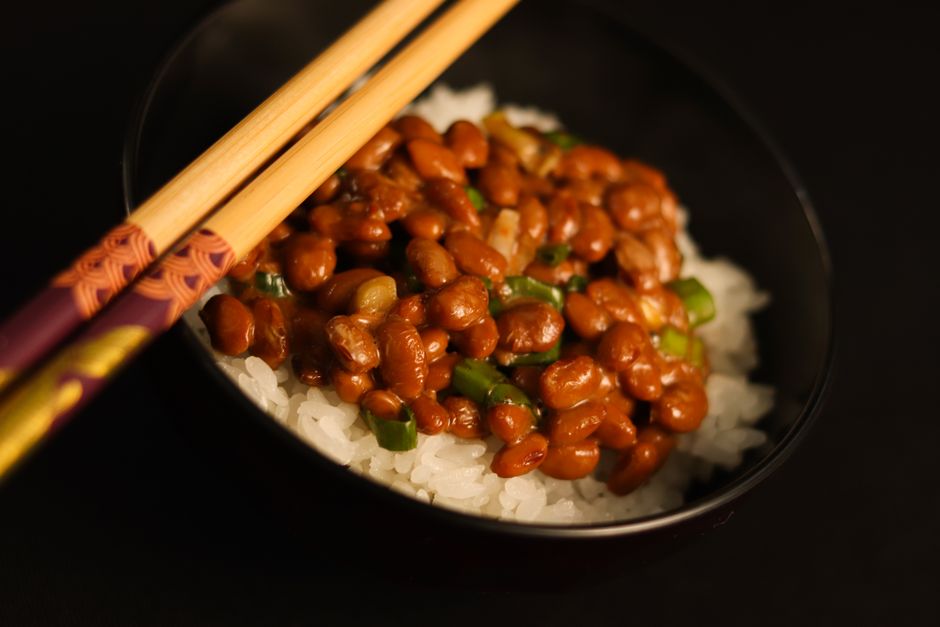 Photo by Guilherme Simão on Pexels
Doburoku also comes in several varieties, with distinct characteristics depending on the brewery (酒蔵) and region where it is produced.
Dry Doburoku is a type where fermentation is advanced to reduce sugar content, characterized by a crisp taste. Sweet Doburoku has a rich flavor with more residual sugar, making it enjoyable like a dessert.
Active Doburoku is a live type that continues to ferment in the bottle, offering a sparkling sensation upon opening. In contrast, pasteurized Doburoku has stopped fermenting, resulting in a stable flavor and improved shelf life.
Delicious Ways to Enjoy Doburoku
 Photo by
 Doburoku has a distinctive flavor, but by experimenting with how you drink it, you can enjoy it in various ways.
Shake Well Before Pouring
As rice components in Doburoku settle over time, gently rotate the bottle to homogenize the contents before pouring. Be careful not to shake too vigorously, as active types may fizz over.
Drink Chilled
It is generally recommended to thoroughly chill Doburoku in the refrigerator. When cooled to 5 to 10 degrees Celsius (41 to 50 degrees Fahrenheit), the balance of acidity and sweetness becomes more refined, resulting in a crisp taste.
Mix with Carbonated Drinks or Juice
Doburoku's rich flavor pairs well with carbonated water and juices. Enjoy it refreshingly as a soda mix, or combine it with apple juice or yogurt drinks for a dessert-like experience.
Dishes That Pair Well with Doburoku
 Photo by Polina Tankilevitch on Pexels
Doburoku pairs exceptionally well with fermented foods.
When paired with fermented foods like pickles (tsukemono), miso dishes, and natto, Doburoku's umami flavor is enhanced. It also goes well with preserved foods such as shiokara (salted fermented seafood) and dried fish, as well as rustic home-style country dishes that have been cherished for generations.
In recent years, pairing Doburoku with Western fermented foods like cheese and yogurt has also been suggested, making it an alcoholic beverage that can be enjoyed with both Japanese and Western cuisine.
Summary
 Photo by Mateusz Walendzik on Pexels
Doburoku is an unfiltered, white fermented alcoholic beverage made by fermenting rice, rice koji, and water, a rustic sake that can be considered the prototype of Japanese sake. Under the Liquor Tax Act, it is classified as "other brewed alcoholic beverages" rather than Seishu, and it is legally and methodologically distinct from Nigorizake.
While home brewing is prohibited by the Liquor Tax Act, Doburoku can be enjoyed through products manufactured in Doburoku Special Zones or commercially available varieties. With various ways to enjoy it, such as chilled, mixed with soda, or paired with food, why not give Doburoku a try?
Frequently Asked Questions
Qどぶろくとは何ですか?どのような特徴がありますか?
どぶろくは、米と米麹、水を発酵させて造られた、濾していない白色の発酵酒です。米の粒や麹が液中にそのまま残っているのが特徴で、日本酒の原型ともいえる素朴なお酒です。漢字では「濁酒」と書き、古墳時代から造られてきた日本最古のお酒のひとつとされています。酒税法上は「その他の醸造酒」に分類されます。
Qどぶろくとにごり酒にはどのような違いがありますか?
どぶろくは一切濾す工程を経ていないため、米粒や麹がそのまま残っており、酒税法上は清酒に分類されません。一方、にごり酒は粗目の布で濾す工程を経ているため、酒税法上は清酒として扱われます。味わいも異なり、どぶろくは全体的に粒感のあるとろみと強い発酵感・酸味が特徴です。
Qどぶろくを自宅で造ることは法律で認められていますか?
いいえ、日本では酒税法により、アルコール度数1度以上の酒類を製造するには製造免許が必要です。免許を持たない一般家庭でのどぶろくの自家製造は違法行為となり、自分で飲むためであっても禁止されています。違反すると処罰の対象となりますので注意が必要です。
Qどぶろくを美味しく飲むためのポイントやおすすめの飲み方はありますか?
どぶろくは飲む前に瓶をゆっくり回して米成分を均一にし、冷蔵庫で5~10度にしっかり冷やすのが基本です。炭酸水やリンゴジュース、ヨーグルトドリンクで割ると、爽やかさやデザート風の味わいも楽しめます。発酵食品(漬物、味噌料理、チーズなど)との相性も抜群です。


