What is Aramasa? A Comprehensive Guide to Akita's Innovative Sake Brewery and Its Unique Flavors
Akita's Aramasa Shuzo pioneered a new era in sake, reviving traditional starters and using unique yeast. Its modern design garners global acclaim.

よつば
August 25, 2026
Aramasa (新政) is a Japanese sake brand crafted by Aramasa Shuzo (新政酒造) in Akita City. It has created a new trend in the sake industry with its unwavering commitment to reviving traditional *shubo-zukuri* (酒母造り), the method of making sake starter, and exclusively using its own proprietary yeast. Along with its modern bottle design, it has received high acclaim both domestically and internationally. This article will delve into the brand's origins, flavor characteristics, and how to choose Aramasa sake.
Aramasa: A Flagship Brand from Aramasa Shuzo in Akita
 Photo by Yahya Hasan on Pexels
Aramasa Shuzo is a historic *sakagura* (酒蔵), or sake brewery, located in Akita City. The Aramasa product details page, which this article refers to, provides actual specifications and purchase links.
The Birthplace of "Kyokai No. 6 Yeast," a Representative Yeast in the Sake Industry
Aramasa Shuzo holds a special place in the history of Japanese sake as the brewery where "Kyokai No. 6 Yeast" (きょうかい6号酵母), considered the oldest among the Association Yeasts distributed by the Brewing Society of Japan, was discovered. This No. 6 yeast possesses the strength to ferment stably even at low temperatures and continues to be used by many *kuramoto* (蔵元), or sake breweries, nationwide, making it a foundational element in sake brewing.
Bold Reforms by the 6th Generation Kuramoto
Under the leadership of Yusuke Sato, the 6th generation *kuramoto*, Aramasa Shuzo underwent a significant change in direction. Shifting from conventional sake brewing, they narrowed their production policy to exclusively use their originating No. 6 yeast and produce only *junmai-shu* (純米酒), sake without added brewing alcohol. Furthermore, they are committed to the labor-intensive, traditional *kimoto*-style (生酛系) method, which involves cultivating the *shubo* (酒母), or sake starter, using natural lactic acid bacteria without adding lactic acid.
This dedication to simple brewing, without relying on additives, extends to the cultivation of their raw rice, as they also engage in meticulous *sakamai* (酒米), or sake rice, production in collaboration with contract farmers. This approach, balancing a return to tradition with innovative branding, is why it is highly regarded by sake fans both in Japan and abroad.
Characteristics of Aramasa's Flavor
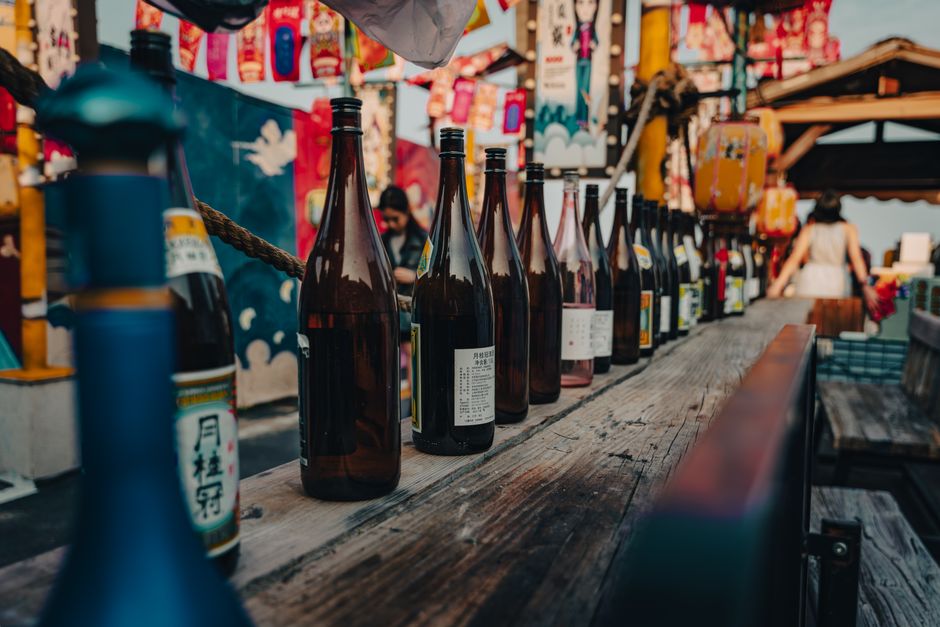 Photo by ZhiCheng Zhang on Pexels
One of Aramasa's representative grades is Junmai Ginjo sake. This *junmai ginjo* (純米吟醸) is characterized by a gentle, elegant aroma derived from No. 6 yeast and a profound acidity born from the *kimoto*-style method, resulting in a modern and refined sake quality despite its traditional brewing process. The commitment to *zenryo junmai* (全量純米), meaning all sake produced is *junmai-shu*, is rooted in a strong belief in brewing sake using only rice, *kome-koji* (米麹), and water, as explained in What is Junmai-shu? | Definition, Characteristics, and Differences from Other Sake Explained.
They are also particular about the *sakamai* (sake rice) they use, actively incorporating unique varieties, including heirloom strains from Akita Prefecture. The variations in flavor due to different *sakamai* are further detailed in What is Sakamai? Thorough Explanation of Differences from Table Rice, Representative Varieties, and How to Choose.
Recommended Ways to Enjoy Aramasa
 Photo by Alex Gonzo on Pexels
To fully appreciate Aramasa's complex aroma and acidity, it is recommended to compare how its character changes across different temperatures, from *reishu* (冷酒), or chilled sake, to room temperature. When well-chilled, its elegant aroma becomes crisp, while approaching room temperature allows the profound *umami* (旨味), or savory taste, and acidity, characteristic of the *kimoto*-style, to unfold. Further details on how to enjoy sake at different temperatures are provided in Complete Guide to Drinking Sake | Thorough Explanation of Temperature, Vessels, and Food Pairings.
For food pairings, leveraging Aramasa's acidic characteristics, it harmonizes well with fermented foods, acidic marinades, and delicately flavored Japanese cuisine. Another appeal of Aramasa is its versatility, allowing it to be enjoyed with a wide range of cuisines, breaking free from conventional sake perceptions.
How to Choose and Purchase Aramasa
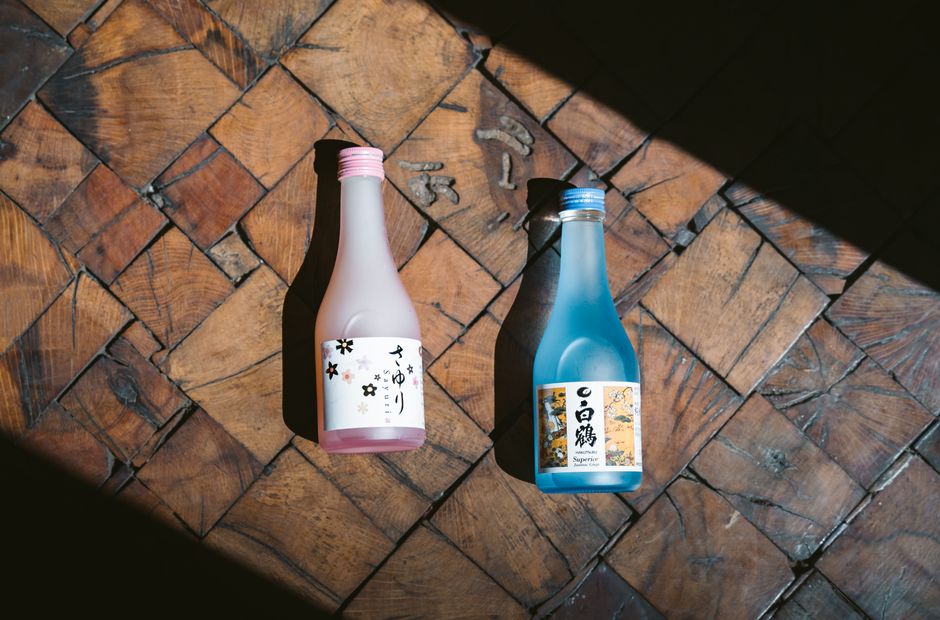 Photo by Miguel González on Pexels
Due to its high popularity, Aramasa is a brand that often has limited retailers and can be difficult to find. Its distinctive bottle designs also make it highly collectible and a popular gift choice for sake enthusiasts.
If you are trying Aramasa for the first time, starting with the standard series is recommended, as it allows you to easily experience the balance of aroma derived from No. 6 yeast and the acidity characteristic of the *kimoto*-style. If you are considering a purchase, please visit the Aramasa product details page, where you can find specifications and information on retailers.
Summary
Aramasa is an innovative brand created by Aramasa Shuzo in Akita Prefecture, meticulously committed to No. 6 yeast, which originated at their brewery, and the traditional *kimoto*-style method. Its approach, balancing a return to simple sake brewing without relying on additives with modern branding, has earned high praise from sake fans both in Japan and abroad.
Aramasa's flavor, where tradition and innovation coexist, is sure to redefine your perception of Japanese sake. We encourage you to experience its unique world for yourself.