Sake Expiration Dates: The Truth About Best-By Labels, Storage Tips, and When to Drink
Bought sake, unsure when to drink? Sake labels lack a "best by" date; there's no legal mandate. We demystify sake's shelf life, storage, and aging.

よつば
May 25, 2026
Have you ever bought Japanese sake (日本酒) and wondered how long you have to drink it? The truth is, Japanese sake is not legally required to display a best-by date (賞味期限), so you won't find that term on its label. This article will provide a detailed explanation, from the basic knowledge of sake's best-by dates to ideal drinking periods for different types, proper storage methods, and even ways to utilize sake that has passed its prime.
Japanese Sake Has No Legal Best-By Date Requirement
 Photo by Matthew Jesús on Pexels
Japanese sake is not legally required to display a best-by date or expiration date under the Food Labeling Act. The reason is that sake has a high alcohol content (generally around 15%), allowing its quality to be maintained for a long period if stored properly.
Instead, Japanese sake labels display the "bottling date (製造年月)." This bottling date refers to the month and year when the sake was bottled, not when it was brewed (醸造).
Difference Between Bottling Date and Brewing Date
The brewing (醸造) itself often takes place several months prior, so remembering that the bottling date (製造年月) indicates the timing of bottling will prevent confusion. For example, even if a label states "Bottling Date 2026.03," the actual brewing might have occurred several months before that.
The bottling date (製造年月) is a crucial item to check on the label as a standard for determining the ideal drinking period.
Ideal Drinking Periods by Japanese Sake Type
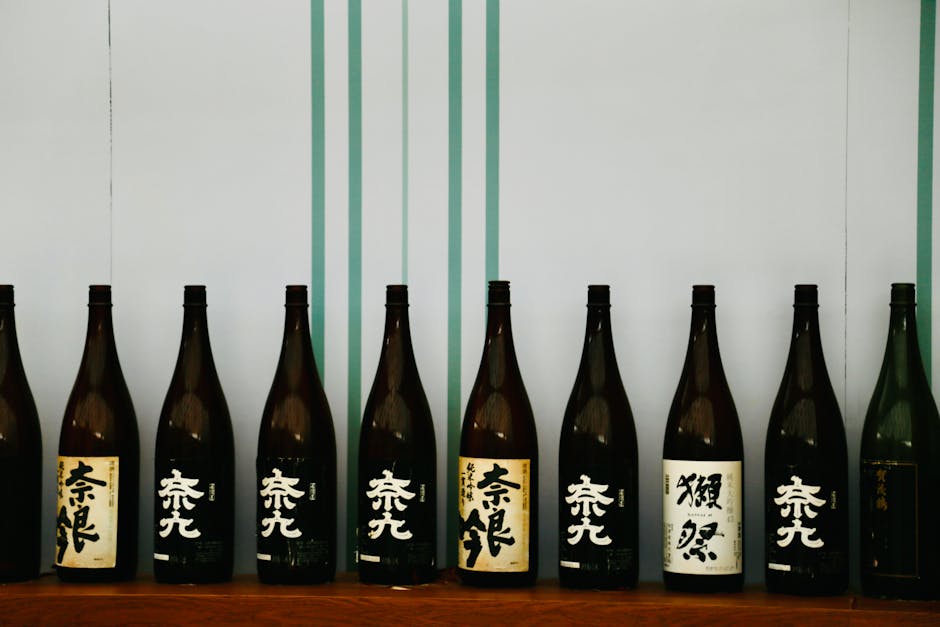 Photo by
 Although there's no best-by date displayed, Japanese sake has an estimated "ideal drinking period" for each type.
Pasteurized Sake | Within 1 Year of Bottling
For pasteurized (火入れ) Japanese sake such as Junmai sake (純米酒), Honjozo sake (本醸造酒), and Ginjo sake (吟醸酒), the ideal period for delicious consumption is within one year of the bottling date. If stored properly in a cool, dark place, it may still be drinkable after a year, but its fresh flavor will gradually diminish.
Namazake | Within 6 Months of Bottling
Namazake (生酒), which is unpasteurized, is ideally consumed within six months of its bottling date. Refrigeration is essential for storage, and even before opening, keeping it in the refrigerator is recommended. If you'd like to learn more about Namazake, please refer to this article.
Daiginjo Sake and Ginjo Sake | Within 6 Months to 1 Year of Bottling
To fully enjoy the Ginjo aroma (吟醸香), the ideal period is within 6 months to 1 year of the bottling date. The aroma tends to dissipate over time, and long-term storage will diminish the appeal of Ginjo sake. For a detailed explanation of what Ginjo sake is, its characteristics, and how to enjoy it, please see this article.
Koshu (Aged Sake) and Matured Sake | Value in Aging for 3+ Years
"Koshu (古酒)," which is intentionally aged for a long period, transforms into an amber color with a rich, deep flavor after three or more years of maturation. This is not deterioration but rather considered a valuable type of sake. The world of Koshu is profound, and its history and appeal are introduced in a separate article.
Ideal Drinking Period for Opened Japanese Sake
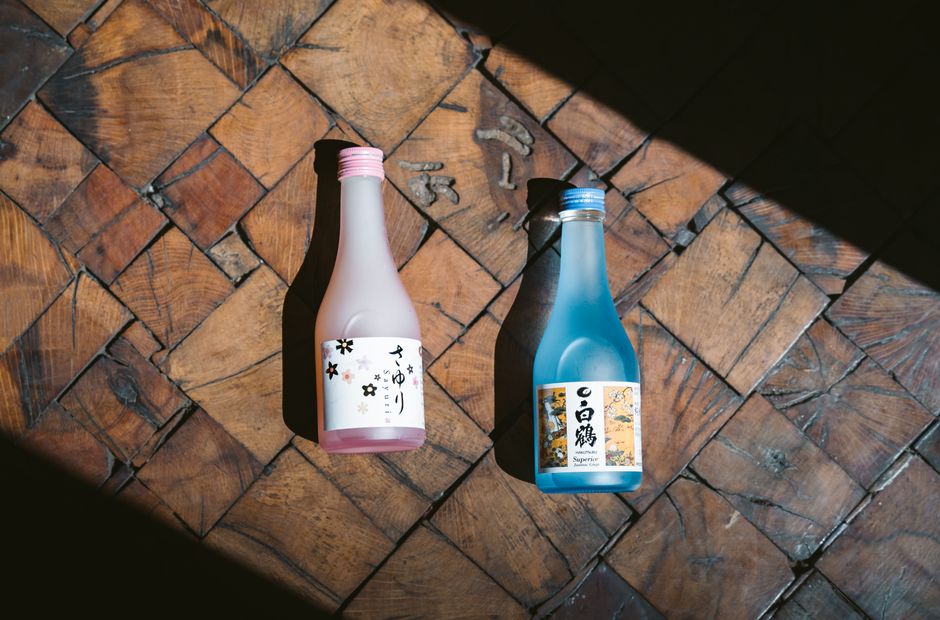 Photo by Miguel González on Pexels
Once opened, Japanese sake oxidizes due to contact with air, so it needs to be consumed more quickly than an unopened bottle.
For Ginjo sake and Daiginjo sake, where aroma is key, consuming it within 1 to 10 days after opening is ideal. Junmai sake and Honjozo sake can maintain their flavor for about 2 weeks to 1 month. For Namazake, the rule of thumb is to finish it within 3 days to 1 week after opening.
However, the speed of change varies depending on the storage environment, so it's important not to force yourself to drink it if you notice an unusual taste.
Proper Storage Methods for Japanese Sake
 Photo by Arnie Papp on Pexels
Even though there's no best-by date, improper storage can lead to rapid deterioration. For detailed information on proper storage methods, please refer to our article on Proper Storage Methods for Japanese Sake.
Temperature Control
The ideal temperature for storing Japanese sake is 5-15 degrees Celsius (41-59 degrees Fahrenheit). Avoid high summer temperatures, and if possible, store it in a cool place like the vegetable drawer of a refrigerator or under-floor storage. Namazake requires refrigeration at 5 degrees Celsius (41 degrees Fahrenheit) or below.
Protect from Light
Japanese sake is very sensitive to UV light. Prolonged exposure to direct sunlight or fluorescent light can cause a deterioration odor known as "sun-struck flavor (日光臭)." It's necessary to take measures such as wrapping bottles in newspaper, returning them to their original boxes, or storing them in a dark cabinet.
Store Upright
Store Japanese sake bottles upright. Storing them horizontally can cause the cap to be in prolonged contact with the liquid, leading to quality deterioration.
Always Refrigerate After Opening
After opening, refrigeration is the basic rule for all types of Japanese sake. Tightly close the bottle cap to minimize contact with air.
How to Identify Deteriorated Japanese Sake
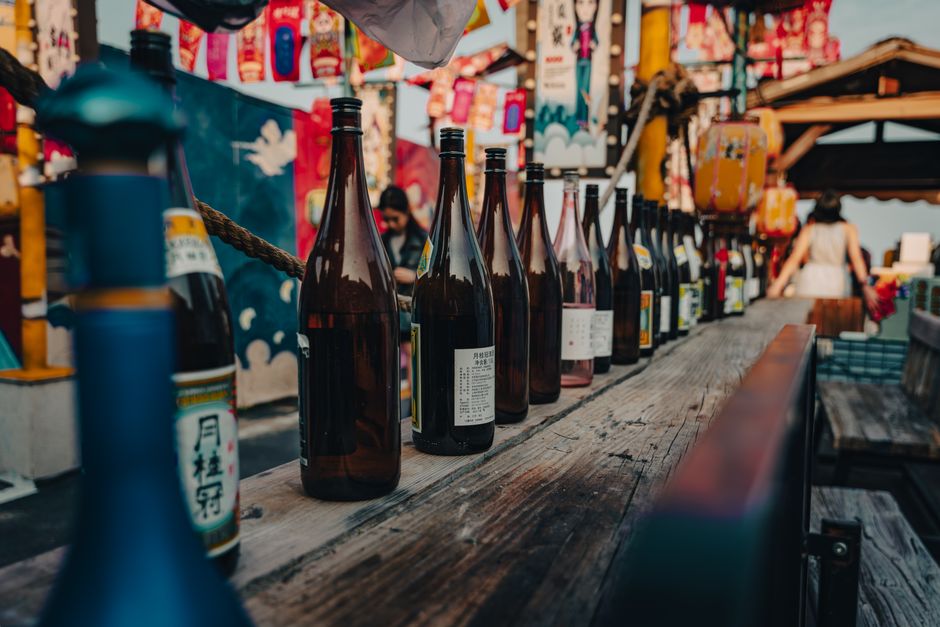 Photo by ZhiCheng Zhang on Pexels
Many people likely find it difficult to determine if sake has deteriorated precisely because there's no best-by date displayed.
Changes in Appearance
Fresh Japanese sake is transparent or pale yellow, but as it deteriorates, it changes to a darker yellow or brownish color. An increase in sediment inside the bottle also indicates a potential change in quality.
Changes in Aroma
If a unique deterioration odor called "hine (老ね) odor" develops, it's a sign of poor storage and advanced oxidation. If the sake loses its original refreshing aroma and develops a papery or sour smell, it's best to avoid drinking it.
Changes in Taste
If you taste a strong sourness, bitterness, or an irritating flavor when you drink it, there's a possibility of oxidation or bacterial contamination.
Ways to Utilize Deteriorated Japanese Sake
 Photo by Iban Lopez Luna on Pexels
Even Japanese sake whose flavor has diminished and is difficult to drink can be utilized to the fullest by using it in cooking.
Adding it as a secret ingredient to simmered dishes (nimono) enhances their richness and depth. It's also effective for removing the strong odors from meat and fish, making it widely usable in sake-steamed dishes (sakamushi) and simmered fish (nizakana). Adding a small amount to miso soup (misoshiru) is another recommended way to boost flavor.
Japanese sake can also be used as an ingredient for pickling liquid, sake-lees pickles (kasuzuke), and amazake (甘酒), a sweet, low-alcohol or non-alcoholic drink. Before discarding it, definitely try using it for cooking.
Check the "Bottling Date" Instead of a Best-By Date
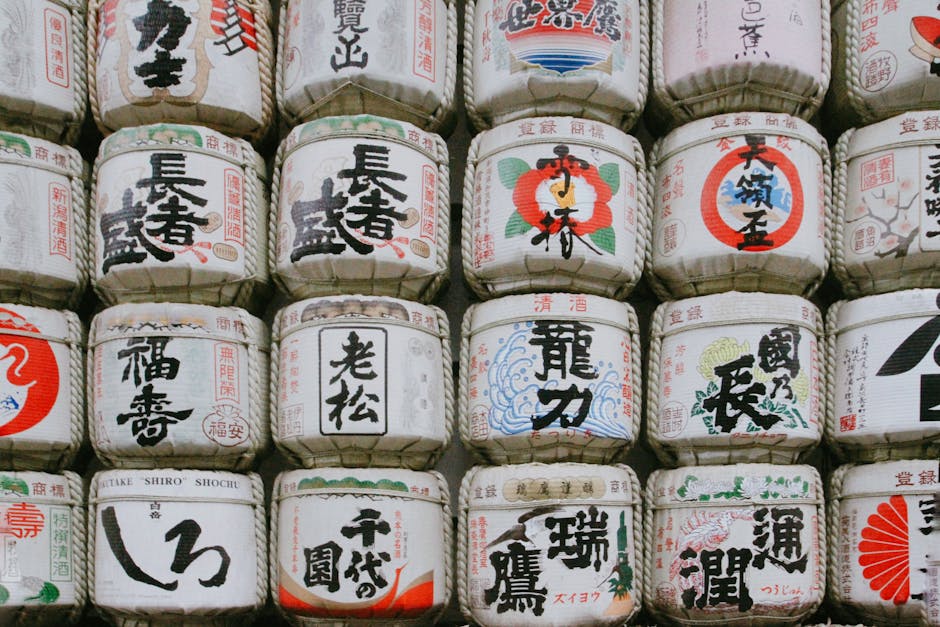 Photo by
 When purchasing Japanese sake, checking the bottling date (製造年月) is important.
Especially for delicate types of Japanese sake like Ginjo sake and Namazake, newer bottles offer a fresher appeal. Liquor stores often arrange bottles with the most recent bottling dates first, so be aware that bottles at the back of the shelf might be older.
Even when buying online, it's reassuring to choose retailers that allow you to confirm the bottling date (製造年月) if possible.
Summary
 Photo by Iban Lopez Luna on Pexels
Japanese sake has no legal requirement to display a best-by date; instead, the "bottling date (製造年月)" is indicated on the label. For pasteurized (火入れ) Japanese sake, the ideal drinking period is within one year of bottling; for Namazake, it's within six months; and for Ginjo sake, it's within 6 months to 1 year.
After opening, refrigeration is the basic rule for all types of Japanese sake, and ideally, it should be consumed within 1 week to 1 month, depending on the type. By following the basic rules of storing in a cool, dark place, keeping bottles upright, and refrigerating after opening, you can enjoy Japanese sake deliciously down to the last drop. Even sake whose flavor has diminished can be used as cooking sake, ensuring nothing goes to waste.
Frequently Asked Questions
Q日本酒に賞味期限の表示がないのはなぜですか?
日本酒はアルコール度数が高く、適切に保存すれば長期間品質が保たれるため、食品表示法上の賞味期限・消費期限の表示義務がありません。代わりに瓶詰めされた年月を示す「製造年月」が記載されており、これが飲み頃を判断する基準となります。
Q日本酒の種類別の飲み頃の目安を教えてください。
火入れ済みの日本酒は製造年月から1年以内、火入れしない生酒は半年以内が美味しく飲める目安です。吟醸香を楽しむ大吟醸酒・吟醸酒は6か月〜1年以内が理想的です。古酒は3年以上の熟成を経て独特の味わいになります。
Q日本酒の正しい保存方法を教えてください。
日本酒は5〜15度の冷暗所で、直射日光や蛍光灯の光を避けて立てて保存するのが基本です。特に生酒は5度以下の冷蔵保存が必須です。開封後はどんな種類でも冷蔵庫に入れ、キャップをしっかり閉めて空気との接触を最小限に抑えましょう。
Q古くなった日本酒はどのように見分ければ良いですか?
見た目では透明度が失われ濃い黄色や茶褐色に変化したり、沈殿物が増えたりします。香りでは「老ね」と呼ばれる劣化臭や、紙のような臭い、酸っぱい臭いがします。口に含んで強い酸味や苦味、刺激的な味がする場合も飲用は避けるべきです。


