How Strong is Sake? A Guide to Alcohol Content by Type & Comparison to Other Drinks
Sake's ABV varies more than you think! From potent Genshu (20%) to light low-alcohol options (8%), there's a wide spectrum. Understand sake's alcohol content.
よつば
May 24, 2026
The alcohol content listed on sake labels. You might usually glance at these numbers, but did you know that the alcohol content varies depending on the type? There's a wide range even within sake, with Genshu (原酒) reaching nearly 20% and low-alcohol sake (低アルコール日本酒) around 8%. This article will explain everything from the basics of sake's alcohol content to the content by type, comparisons with other alcoholic beverages, appropriate serving sizes, and drinking methods.
Sake's Alcohol Content is Approximately 15%
 Photo by Matthew Jesús on Pexels
Sake's alcohol content is generally around 14-16%. Most sake distributed in the market is set at approximately 15%, making this the standard alcohol content.
It is slightly higher than wine's alcohol content (12-14%) and about three times that of beer (around 5%). Sake is an alcoholic beverage with a relatively high alcohol content among brewed liquors, boasting one of the highest alcohol contents compared to other brewed liquors worldwide.
Sake: A World-Class Brewed Liquor
Brewed liquor refers to alcoholic beverages made through fermentation, including wine, beer, and sake. Generally, in the fermentation process of brewed liquors, yeast produces alcohol, and once a certain concentration is exceeded, the yeast itself stops functioning. Therefore, the upper limit for natural fermentation is considered to be around 18%.
Sake achieves an exceptionally high alcohol content among the world's brewed liquors due to its unique fermentation method called 'multiple parallel fermentation (並行複発酵)'. Some Genshu can even exceed 20%, which is an astonishing figure for a brewed liquor.
Sake Alcohol Content by Type
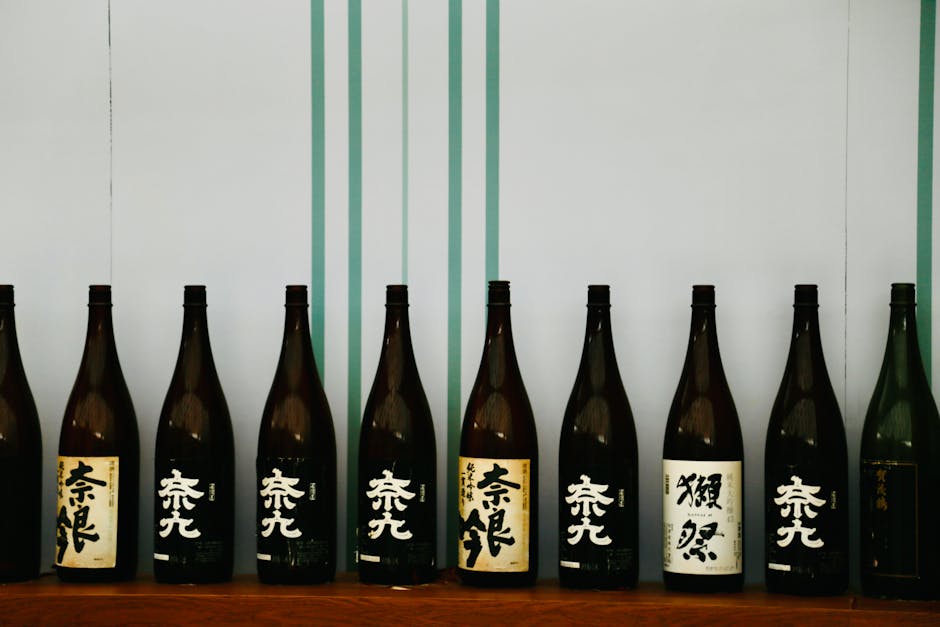 Photo by
 The alcohol content varies depending on the type of sake.
Junmai-shu (純米酒) | 15-16%
Junmai-shu is sake made only from rice, rice koji (米麹), and water, with a standard alcohol content of 15-16%. It offers a rich umami and body from the rice, making it a satisfying drink.
Honjozo-shu (本醸造酒) and Ginjo-shu (吟醸酒) | 15-16%
Honjozo-shu and Ginjo-shu, which have brewer's alcohol added, are also adjusted to around 15-16% through dilution. They have a clean, crisp taste and an alcohol content that pairs well with food.
Daiginjo-shu (大吟醸酒) | 15-17%
Daiginjo-shu typically has an alcohol content of 15-17%, though some brands may be set slightly higher. It offers a delightful floral aroma and refined taste.
Genshu (原酒) | 17-20%
Genshu, which is undiluted sake, has a higher alcohol content of 17-20%. Details about Genshu are explained in this article. It has a rich, concentrated rice umami flavor, with an alcohol content similar to some wines and sherry.
Nama-zake (生酒) | 15-17%
Nama-zake, which is unpasteurized sake, has a fresh taste and an alcohol content of around 15-17%. Some Genshu-type Nama-zake can reach 18-19%.
Low-Alcohol Sake (低アルコール日本酒) | 8-13%
Low-alcohol sake, which has gained popularity in recent years, is kept at around 8-13%. It is characterized by its lightness, making it enjoyable much like wine, and is popular among women and sake beginners.
Sparkling Sake (スパークリング日本酒) | 5-13%
Sparkling sake is a carbonated alcoholic beverage with an alcohol content of approximately 5-13%. It offers a refreshing sensation similar to champagne and is popular as a celebratory drink.
Alcohol Content Comparison with Other Alcoholic Beverages
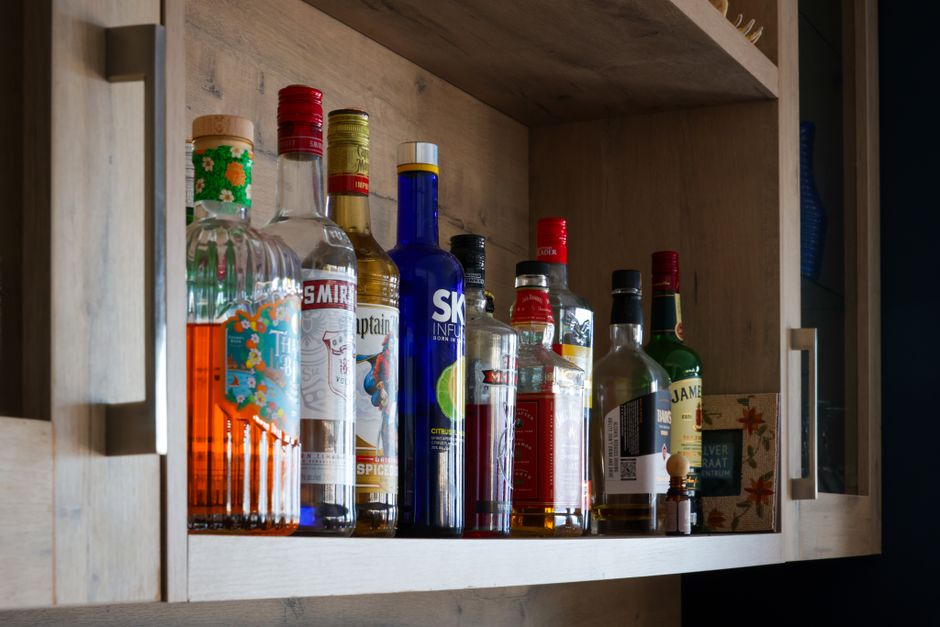 Photo by Magda Ehlers on Pexels
Let's compare sake's alcohol content with other alcoholic beverages.
Beer is 4-5.5%, happoshu (low-malt beer) is around 5%, wine is 12-14%, and champagne is around 12%. Sake (15%) has a higher alcohol content than these brewed liquors.
Among distilled spirits, shochu (焼酎) is 25%, whiskey and brandy are 40%, gin and vodka are around 40%, and tequila is approximately 40%. Since sake is classified as a brewed liquor, its alcohol content is lower than these distilled spirits.
Comparison by Pure Alcohol Content
Comparing by pure alcohol content per 100ml, beer (5%) is about 4g, wine (12%) is about 10g, sake (15%) is about 12g, shochu (25%) is about 20g, and whiskey (40%) is about 32g. Since the serving sizes vary, the actual amount of alcohol consumed depends on how it's drunk. Also, if you're interested in sake calories, please check out this article.
Sake's Alcohol Content and Appropriate Serving Size
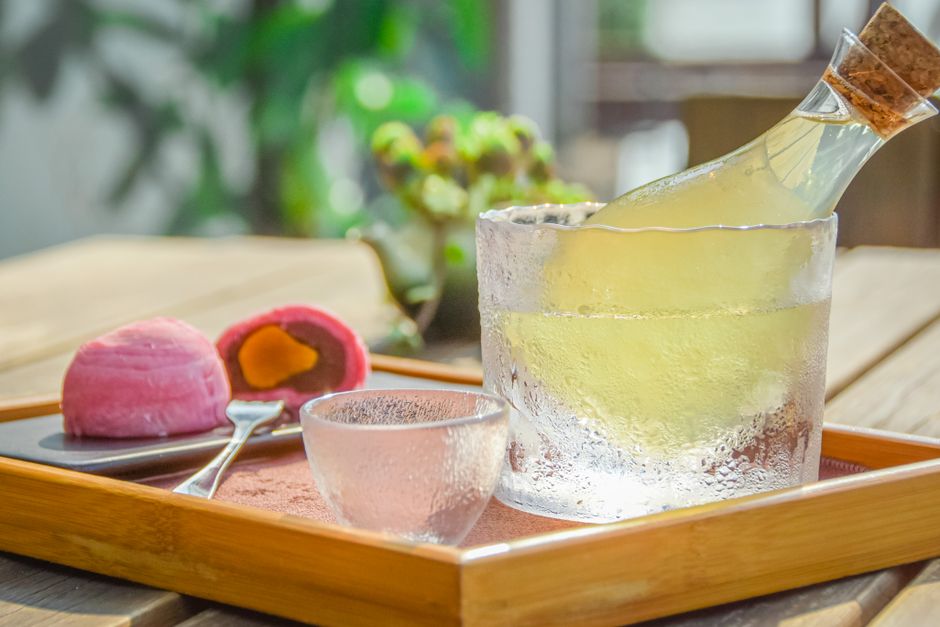 Photo by
 To enjoy sake healthily, it's important to know the appropriate serving size, taking into account its alcohol content.
Appropriate Serving Size Recommended by the Ministry of Health, Labour and Welfare
According to the Ministry of Health, Labour and Welfare's 'Healthy Japan 21' initiative, a guideline for moderate drinking is approximately 20g of pure alcohol per day.
Converted to sake (15%), this is approximately 180ml, which is exactly one ichigo (一合). An ichigo is a traditional Japanese unit of volume for sake, and coincidentally, this amount aligns with the recommended moderate serving size for healthy drinking.
How Quickly You Get Drunk Based on Alcohol Content
The higher the alcohol content, the quicker you tend to get drunk with a smaller amount. If you drink one ichigo of Genshu (20%), the pure alcohol content would be approximately 29g, which is 1.5 times the recommended moderate amount.
When drinking high-alcohol sake, it's necessary to take precautions such as moderating the amount or enjoying it with water.
Recommended Sake Drinking Methods by Alcohol Content
 Photo by Alex Gonzo on Pexels
Recommended drinking methods vary depending on the alcohol content. If you want to know more about general sake drinking methods, please refer to this article.
Standard Alcohol Content (Around 15%)
Sake with a standard alcohol content can be enjoyed in various ways, such as chilled (reishu), at room temperature, or warmed (kanzake). It's also an easy alcohol content to pair with food.
High Alcohol Content (17-20%, Genshu)
For high-alcohol sake, it's also recommended to lower the alcohol content by drinking it on the rocks or with water. Pouring it into a glass with ice will gradually reduce the alcohol content over time, making it easier to drink.
Drinking it with soda water to add a refreshing sensation is another way to make Genshu easier to drink while still appreciating its richness.
Low Alcohol Content (8-13%)
Low-alcohol sake is best enjoyed slowly in a wine glass. It's an alcohol content that allows for relaxed drinking, whether as an aperitif or paired with a meal.
Sparkling (5-13%)
Sparkling sake should be served well-chilled in a champagne or flute glass. It's perfect for special occasions as a celebratory drink or aperitif.
How to Check Alcohol Content
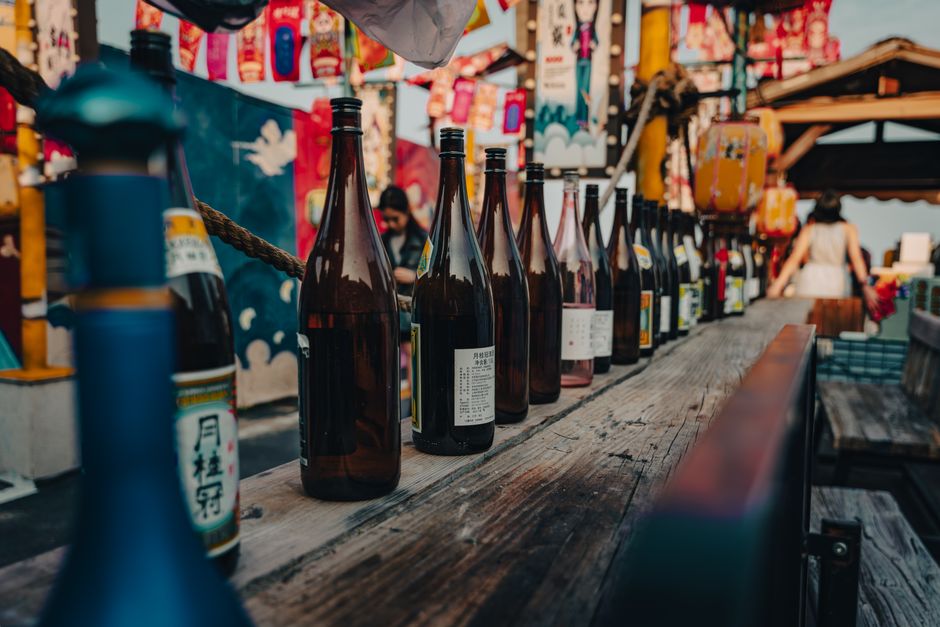 Photo by ZhiCheng Zhang on Pexels
Sake's alcohol content is always listed on the label.
Specific figures such as "Alcohol content 15 degrees" or "15.0%" are clearly stated, so you can check before purchasing. In Japan, under the Liquor Tax Act, alcoholic beverages are required to list their alcohol content in 1-degree (1%) increments, making it a reliable source of information.
Especially for Genshu and high-alcohol sake, the alcohol content is often prominently displayed on the label, serving as an important indicator when choosing at a liquor store.
Summary
 Photo by
 Sake's alcohol content varies by type, with a standard of 15-16%, Genshu at 17-20%, and low-alcohol sake at 8-13%. Boasting one of the highest alcohol contents among the world's brewed liquors, sake achieves its high potency through a unique fermentation method using rice and rice koji.
A guideline for healthy drinking is about one ichigo (180ml) per day, which largely aligns with the Ministry of Health, Labour and Welfare's recommended moderate amount. By choosing drinking methods appropriate for the alcohol content—such as enjoying high-alcohol sake on the rocks or with water, or savoring low-alcohol sake as a casual aperitif—you can more deeply appreciate the world of sake.
Frequently Asked Questions
Q日本酒の一般的なアルコール度数はどのくらいですか?
日本酒のアルコール度数は一般的に14〜16%程度で、市場に流通する多くの日本酒は15%前後に設定されています。これはワイン(12〜14%)よりやや高く、ビール(5%前後)の約3倍にあたり、世界の醸造酒の中でもトップクラスの度数を誇ります。
Q日本酒の種類ごとのアルコール度数を教えてください。
日本酒のアルコール度数は種類で異なり、純米酒や本醸造酒、吟醸酒は15〜16%が標準です。大吟醸酒は15〜17%、加水しない原酒は17〜20%と高め。低アルコール日本酒は8〜13%、スパークリング日本酒は5〜13%と幅があります。
Q日本酒と他のお酒のアルコール度数を比較すると?
日本酒(約15%)は、ビール(4〜5.5%)やワイン(12〜14%)などの醸造酒より高い度数です。一方、焼酎(25%)やウイスキー(40%)といった蒸留酒よりは低い度数に分類されます。日本酒は醸造酒の中では世界最高クラスの度数を誇ります。
Q日本酒の健康的な適量はどのくらいですか?
厚生労働省の「健康日本21」によると、節度ある飲酒は1日あたり純アルコール量で約20gが目安です。アルコール度数15%の日本酒に換算すると、約180ml、つまり一合に相当します。度数の高い日本酒を飲む際は、量を控えめにすることが大切です。


